Nobody Talks About THIS Benefit of RV Living
The real benefit of RV Living isn’t the views; it’s control over your time. Here’s the truth after 9 years on the road.
What RV Life Actually Gives You Back (Hint: It’s Not Freedom)
Quick Answer: The most underrated benefit of full-time RV living isn’t the views or the freedom to travel; it’s control over how you spend your time.
Slower mornings, more time outside, and the ability to design your own daily rhythm are what actually change how you feel day to day, not the destinations themselves.

Everyone wants to talk about the sunsets. The mountain views. The “wake up somewhere new” fantasy.
Nine years in, I can tell you that’s not the part that actually changed our lives.
It’s not that RV life is relaxing all the time, because travel day would like a word on that one. Anyone who’s white-knuckled a mountain pass or waited for a part that was supposed to arrive “in 3-5 business days” three weeks ago knows this life isn’t a permanent vacation.
Key Takeaways
- The biggest benefit of RV living isn’t the scenery; it’s control over your daily time and routines
- Full-time RV life removes house-driven obligations (yard work, maintenance, upkeep) that quietly eat your hours
- More outside time, slower mornings, and more spontaneous family visits are the real, lived-in benefits, not just the vacation moments
- The trade isn’t “no stress”; it’s trading house-stress for road-stress, in exchange for time you actually control
- RV life is not stress-free; travel days, repairs, and unexpected problems are part of the honest picture
The real benefit is quieter than that. It’s control.

What does “control over your time” actually mean in an RV?
It means you’re not handing your morning to a commute. You’re not losing your evening to yard work you didn’t ask for. You get to decide what your day looks like: coffee outside before anyone else is awake, a slow start instead of an alarm, a hike because the weather’s good today instead of “someday.”
You may also like: How to Break Free From the Someday Trap.
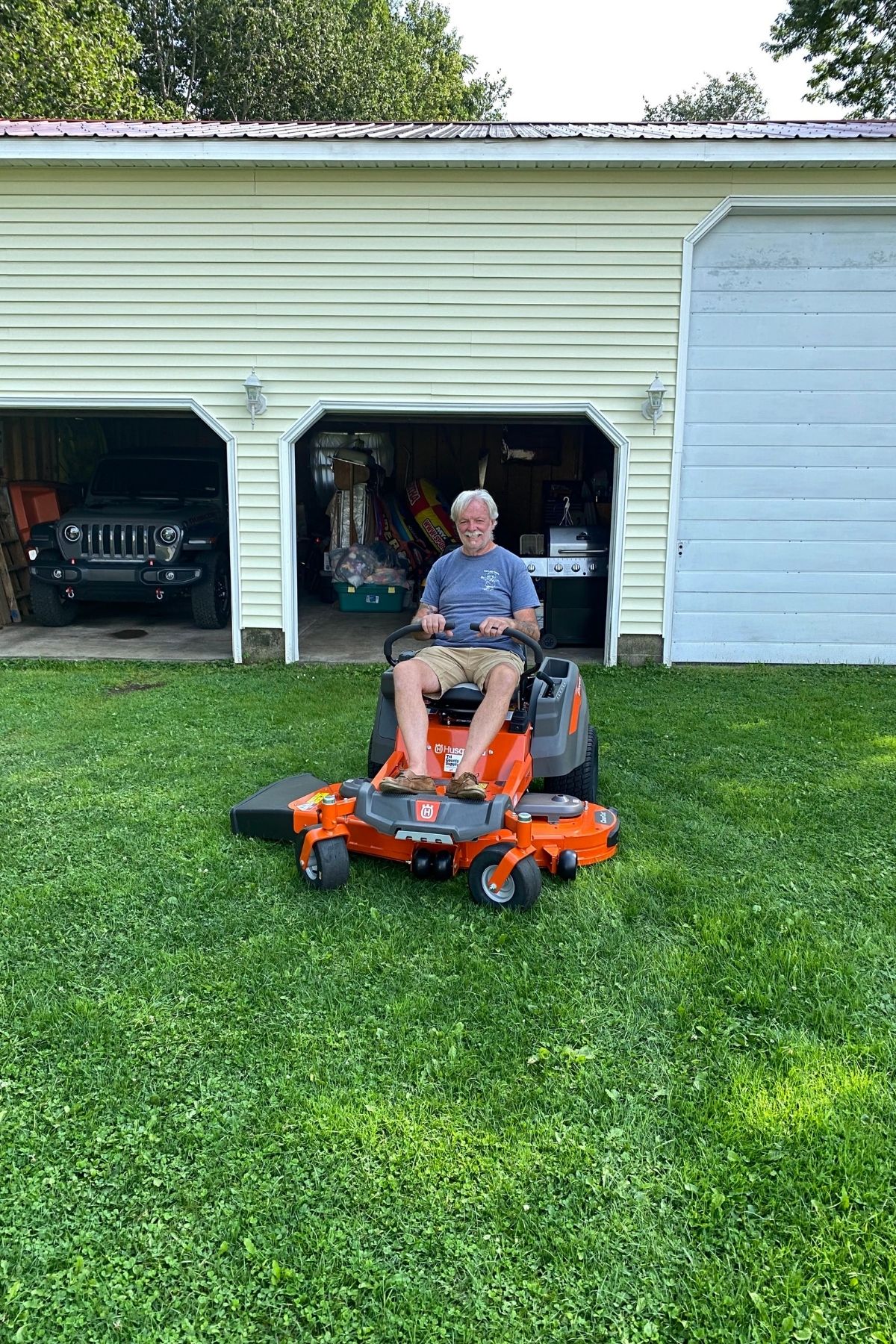
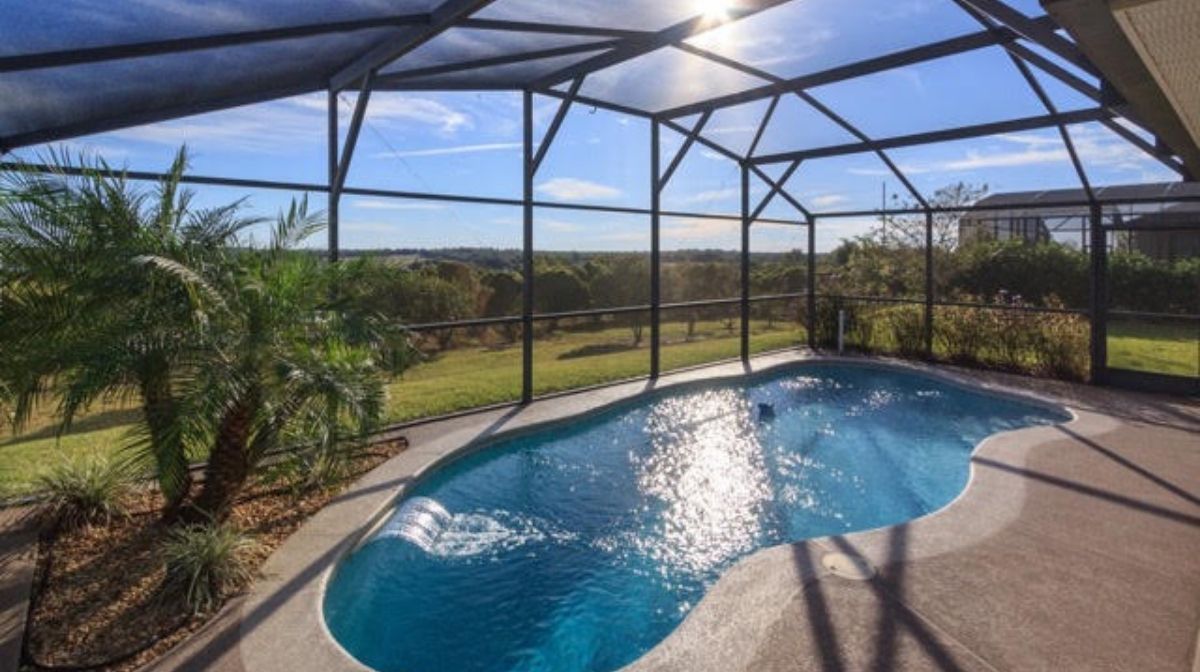
When Tim and I lived in our 3,500 square foot house, our time belonged to the house. Weekends went to mowing, gutters, the pool, the things a house demands whether you feel like giving it attention or not. We didn’t choose those hours. The house chose them for us.
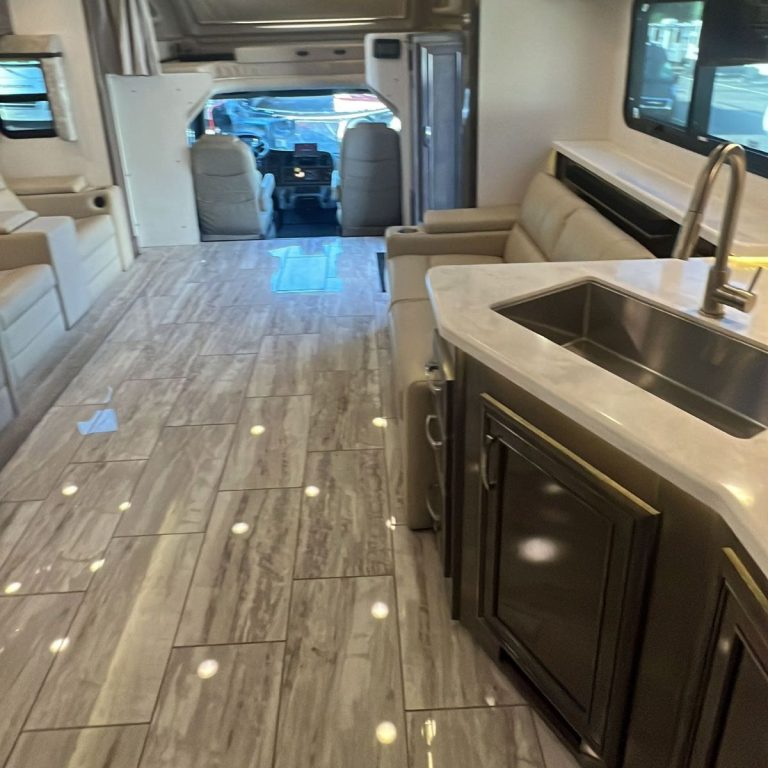
In 300 square feet on wheels, that math flips. There’s no yard. No pool to maintain. No house project eating your Saturday. What’s left is just… time. And what you do with it is actually up to you.
Why is this trending in the RV industry right now?
It’s not just us saying it. The RV industry itself is starting to talk this way. Recent industry trend reporting has pointed out that wellness, especially mental well-being, is no longer a niche interest; it’s actively shaping how people choose where, when, and how they travel and spend their time.
The advice being given to RV brands is telling: stop marketing RVs as vehicles or vacation homes, and start showing them as spaces that help people recharge, reconnect, and actually live well.
That’s a real shift. For years, the industry sold RVs on specs and destinations. Now it’s starting to sell them on something closer to what full-timers have known for a while: that the rig isn’t the point. What the rig gives you back is.
Did RV living actually make our life better?
Yes. But not in the postcard way.
It gave us more time outside. Not “vacation outside”, just regular Tuesday outside. Coffee on the step. Dinner with the door open. That adds up in ways I didn’t expect when we made this decision.
It gave us slower mornings. No commute, no rushing out the door for a job that wasn’t ours to keep once we sold our first blog and made this jump. Mornings are ours now, and I didn’t realize how much I’d missed that until I had it back.
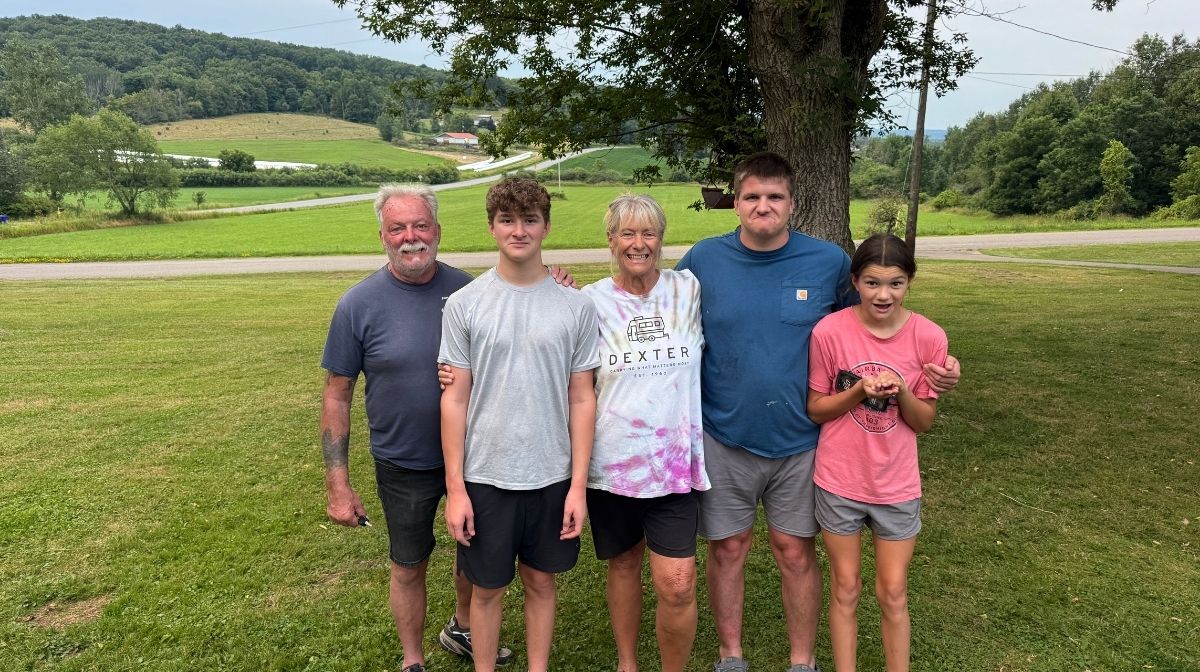
It gave us more time with family, even though we’re spread across states. Being mobile means we go to them instead of waiting for the once-a-year trip. That’s meant more birthdays, more random Tuesdays with grandkids, more of the stuff you can’t get back later.
It gave us places we’d never have seen otherwise. Not just the famous ones, the in-between ones. The town nobody plans a trip around that turns out to be the best week of the year.

And here’s the counterweight, because the industry’s version of this story tends to leave it out: it also gave us breakdowns. Our second RV had brake failure on our very first trip.
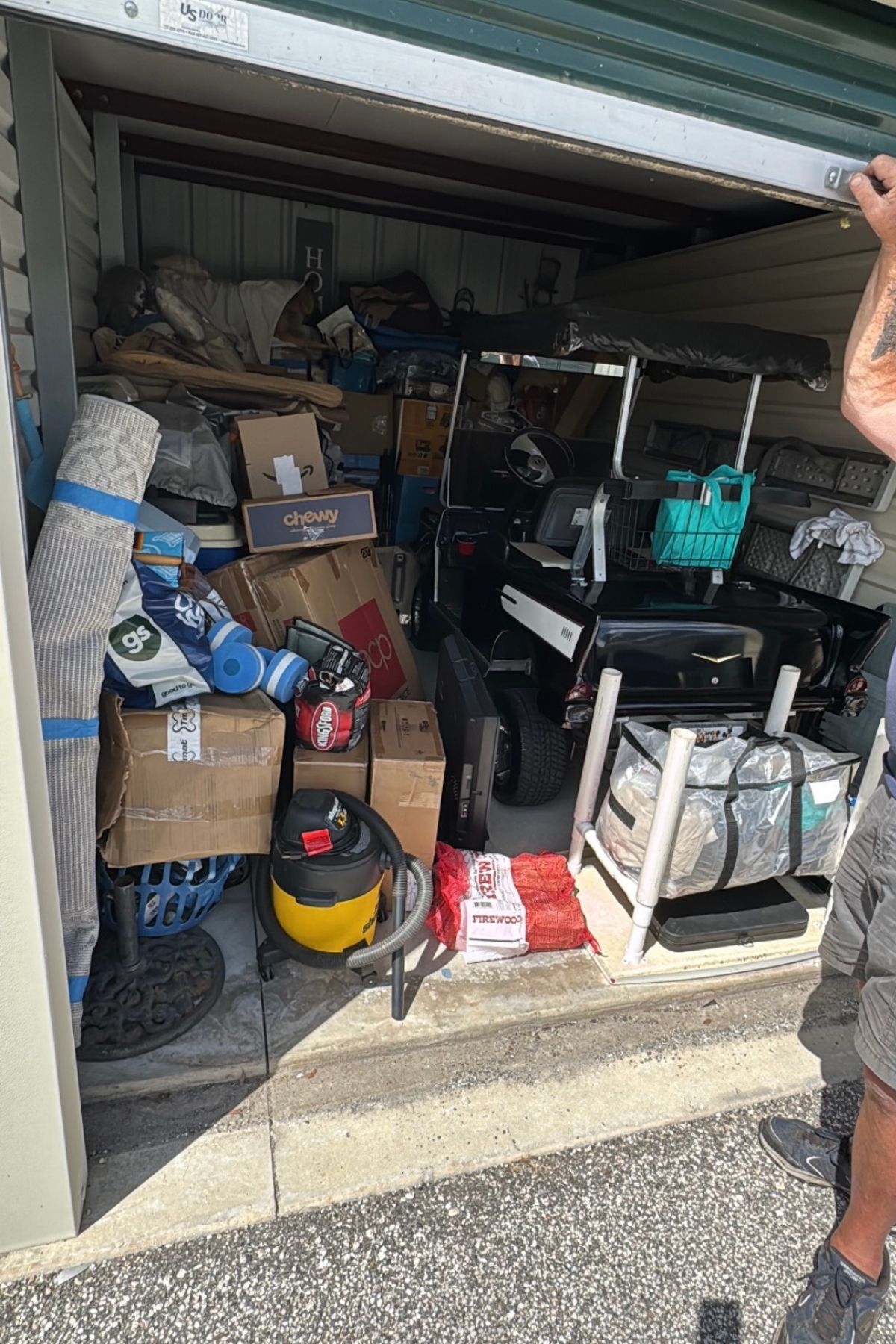
We’ve dealt with dealers who won’t service a rig they didn’t sell. We’ve paid for storage units that somehow have more in them every year despite giving things away constantly.
Travel days are genuinely stressful. Maintenance never stops. None of that is the highlight reel, but it’s real, and pretending otherwise doesn’t help anyone deciding if this life is for them.
The trade we made wasn’t relaxation for stress. It was house-stress for road-stress, and for us, road-stress came with something the house never gave us back: control over the hours in between.

Follow us on Pinterest and PIN any of these images for later!
If you’re weighing whether this life is right for you, this is the piece I’d want someone to tell me honestly before we made the jump nine years ago: it won’t make every day peaceful.

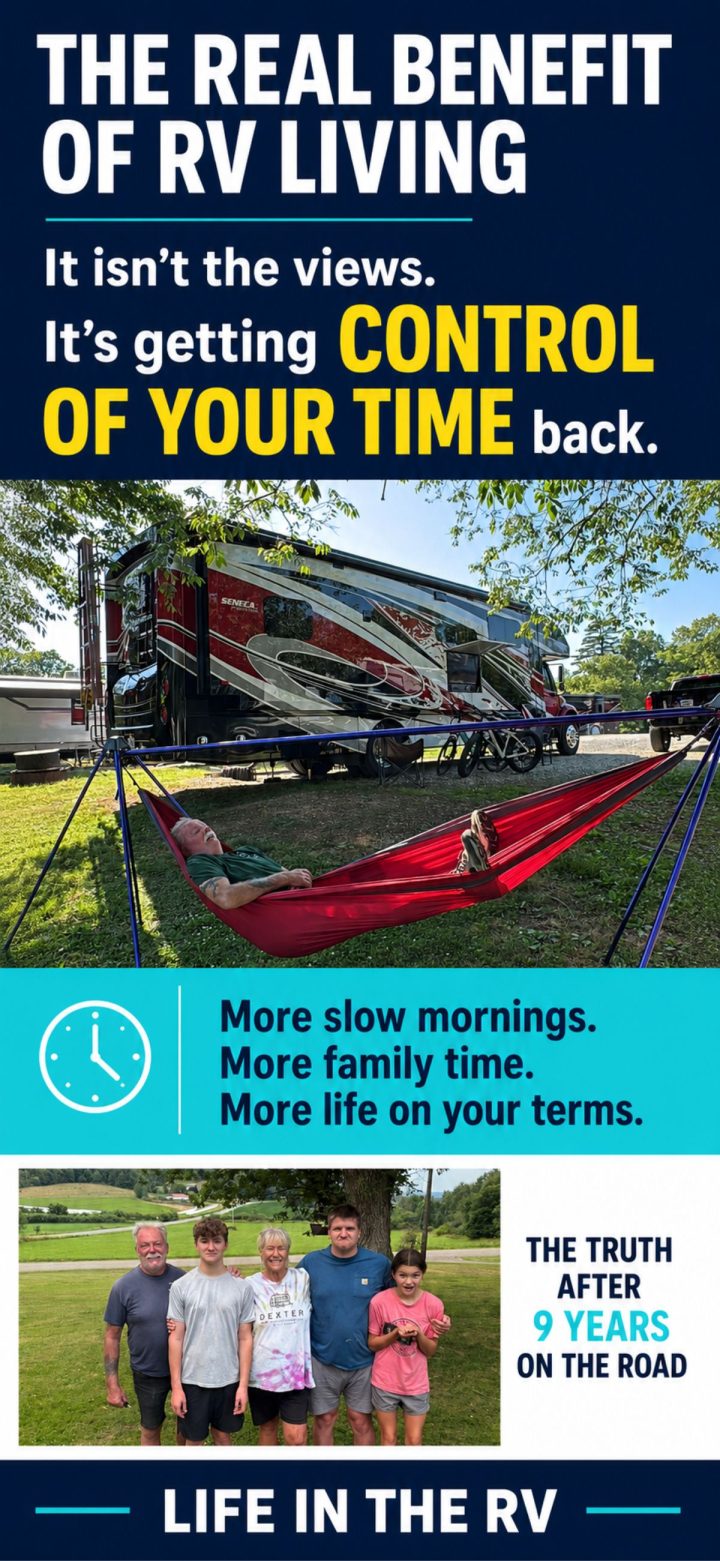
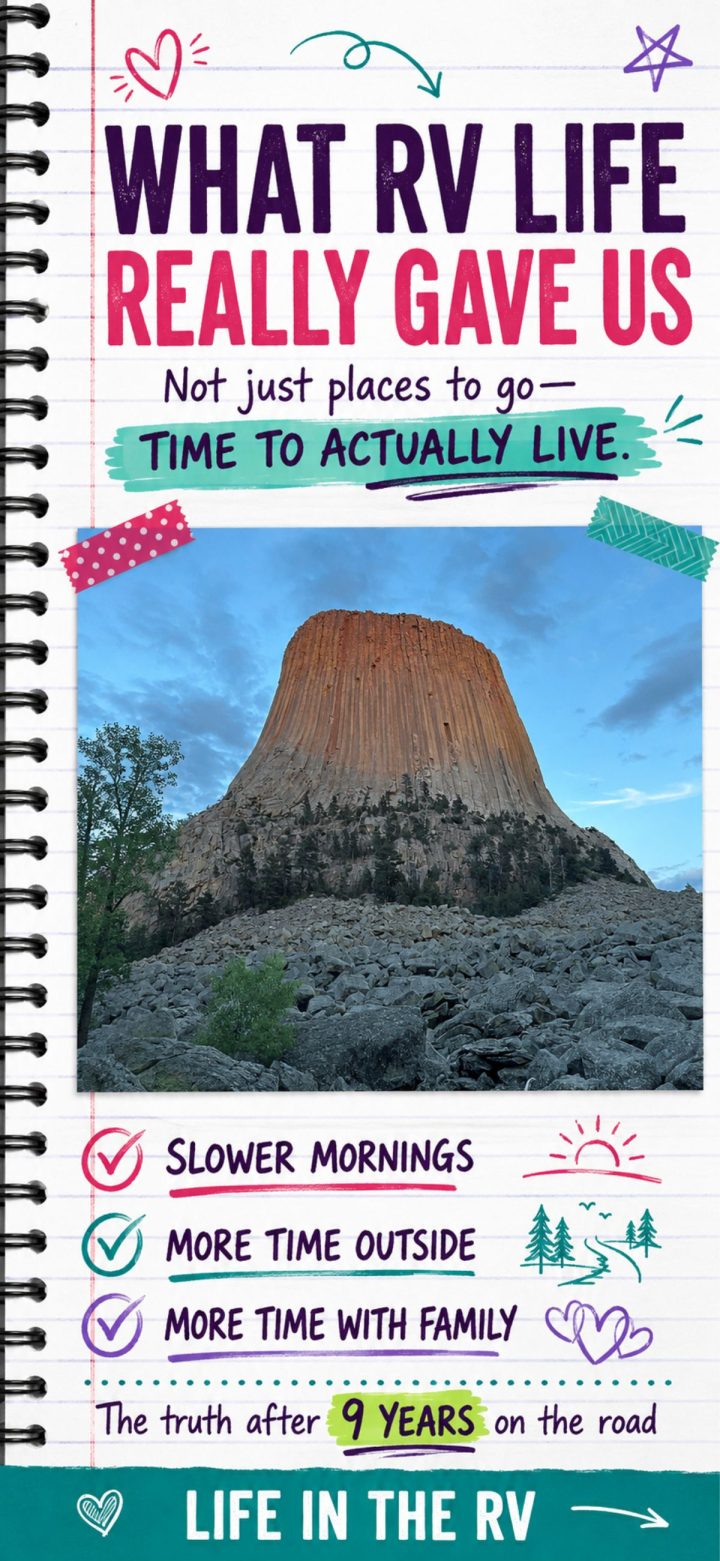
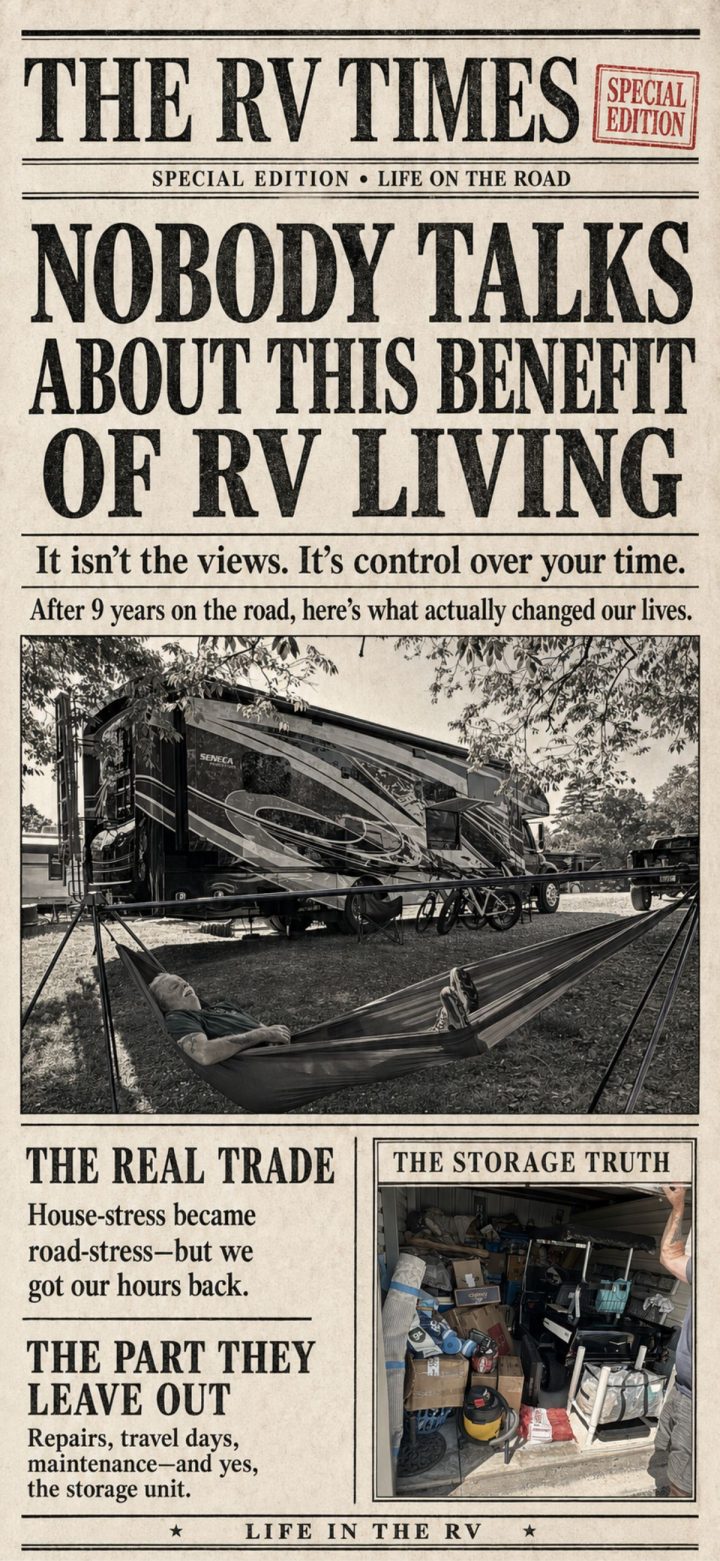
But it will hand your time back to you, and what you do with that is the part nobody puts in the brochure.
FAQs
The most overlooked benefit is control over your time, not scenery or travel itself. Full-time RVers gain freedom from house-driven obligations like yard work and maintenance, which frees up hours to spend how they choose.
Not constantly. Travel days, repairs, and logistics create their own stress. RV living trades house-stress for road-stress, but it hands back control over daily time in a way traditional homeownership often doesn’t.
Many full-timers report better well-being from more time outdoors, slower mornings, and freedom from constant home maintenance. The RV industry itself has recently started framing wellness, not just travel, as a core reason people choose this lifestyle.
Breakdowns, dealer service limitations, ongoing maintenance, and ownership costs (including storage, if you keep it) are real and shouldn’t be glossed over. The lifestyle isn’t stress-free; it’s a different kind of stress in exchange for more control over your time.
For many people, yes, but the honest answer depends on whether the trade (house-stress for road-stress, in exchange for time and flexibility) fits what they actually want out of their days.