

The Southeast Kansas Road Trip Guide Nobody Told You You Needed
Think you know Southeast Kansas? Most visitors miss it entirely, including 13 miles of Route 66. Here’s what’s actually worth stopping for.
Everyone Asks Me What’s in Kansas. Well, More Than You Know!
Southeast Kansas Road Trip Guide: Route 66, Big Brutus, Fort Scott & More
I’ve been visiting Southeast Kansas for 18 years and driving through it, spending time there, thinking I knew what it had to offer. I even lived in Wichita for about a year.
I didn’t know anything.
It took a dedicated road trip to Wichita for a conference, and actually slowing down to explore this corner of the state. Only to realize that I had been driving past some of the most genuinely interesting stops in the entire Midwest for nearly two decades without stopping.
Route 66 towns that look exactly like they did in 1955. A 16-story coal mining shovel sitting in the middle of a field. One of the most moving museums I’ve ever walked into, in a city most people have never heard of.
And food, real, honest, small-town food, that would have a line out the door in any major city.
KEY TAKEAWAY: What’s in Southeast Kansas?
- Route 66: 13.2 miles of the most well-preserved Mother Road alignment in the Midwest, running through Galena, Riverton, and Baxter Springs
- Big Brutus: a 16-story, 11-million-pound coal mining shovel in West Mineral that you have to see to believe
- Lowell Milken Center for Unsung Heroes: one of the most moving museums in the Midwest, in Fort Scott, and it’s free
- Martin and Osa Johnson Safari Museum: a world-class adventure history museum hiding in Chanute
- Emporia: disc golf, farm-to-table food, and a veterans memorial worth every minute
- Small-town food: Gebhardt’s Chicken Dinners, Cars on the Route, BobbyD’s BBQ, Honeybee Bruncherie
- Poplar Pizza, Howard: Buffalo-style wings, great pizza, and a once-a-month seafood boil that draws a line around the building from three hours away. Plan ahead. RV parking available.
Four days. All drivable from Wichita.
So when people ask me “what’s even in Kansas?”… and they always do, I finally have an answer.
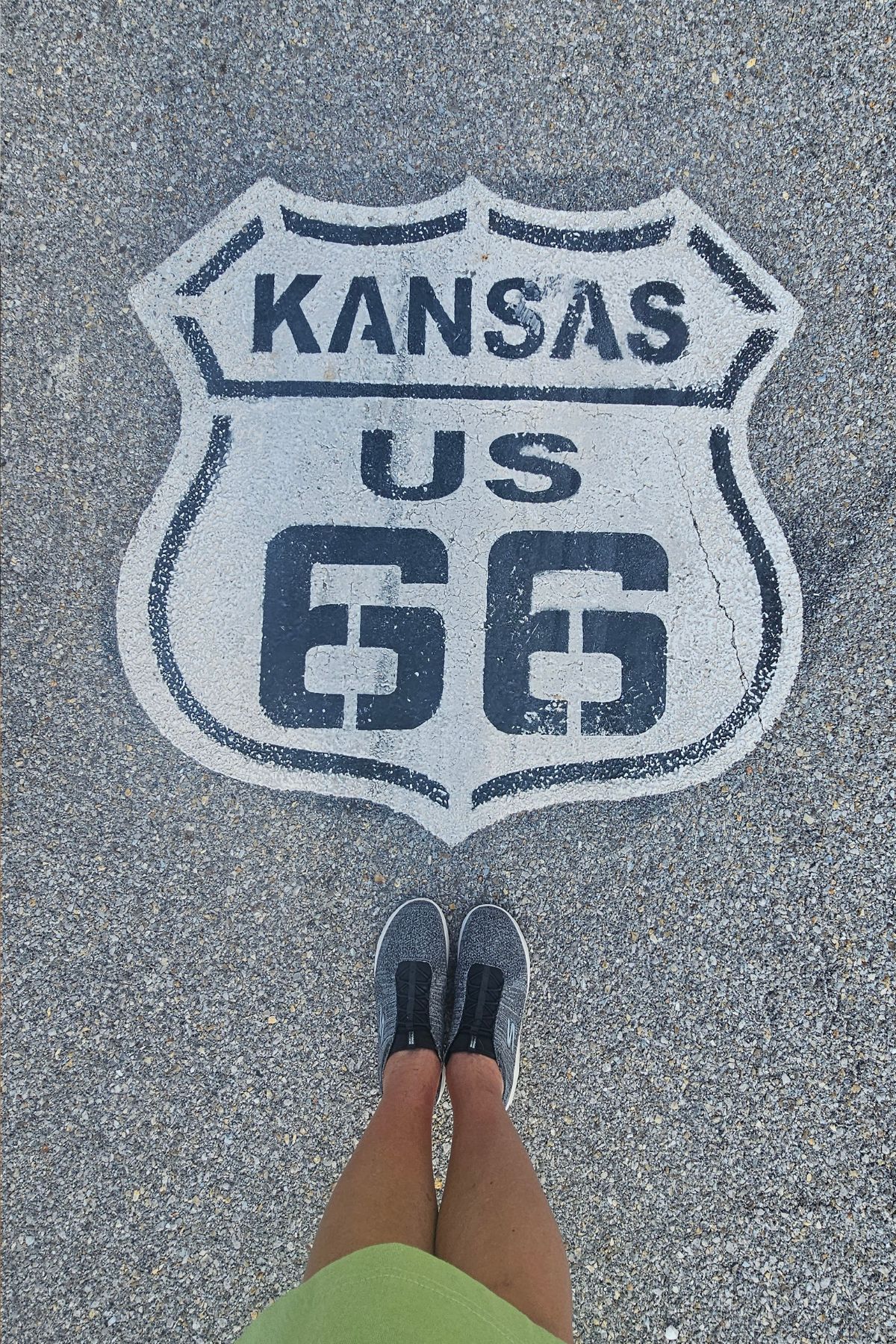
A lot, actually. You just have to know where to look.
This is just one corner of the state, see the full Kansas road trip guide for everything else worth stopping for.
Is Southeast Kansas Worth an RV Road Trip?
Yes, and it’s one of the most underrated detours in the entire Midwest. Southeast Kansas packs Route 66 history. It packs industrial landmarks, Civil War sites, world-class disc golf, and some of the best small-town food in the country into a compact, drivable region.
2026 puts two big anniversaries on the calendar at once: Route 66 turns 100, and America celebrates 250 years. Southeast Kansas sits right at the intersection of both, 13 miles of the Mother Road, plus a Civil War history most travelers never learn.
If you’re building a bigger anniversary-year route, Celebrating America’s 250th Birthday by RV has everything beginners need to know.
Most RVers park near Wichita or Chanute and explore by car, making it an ideal 4-day itinerary. If you tow with a motorhome instead, Southeast Kansas has you covered there too.
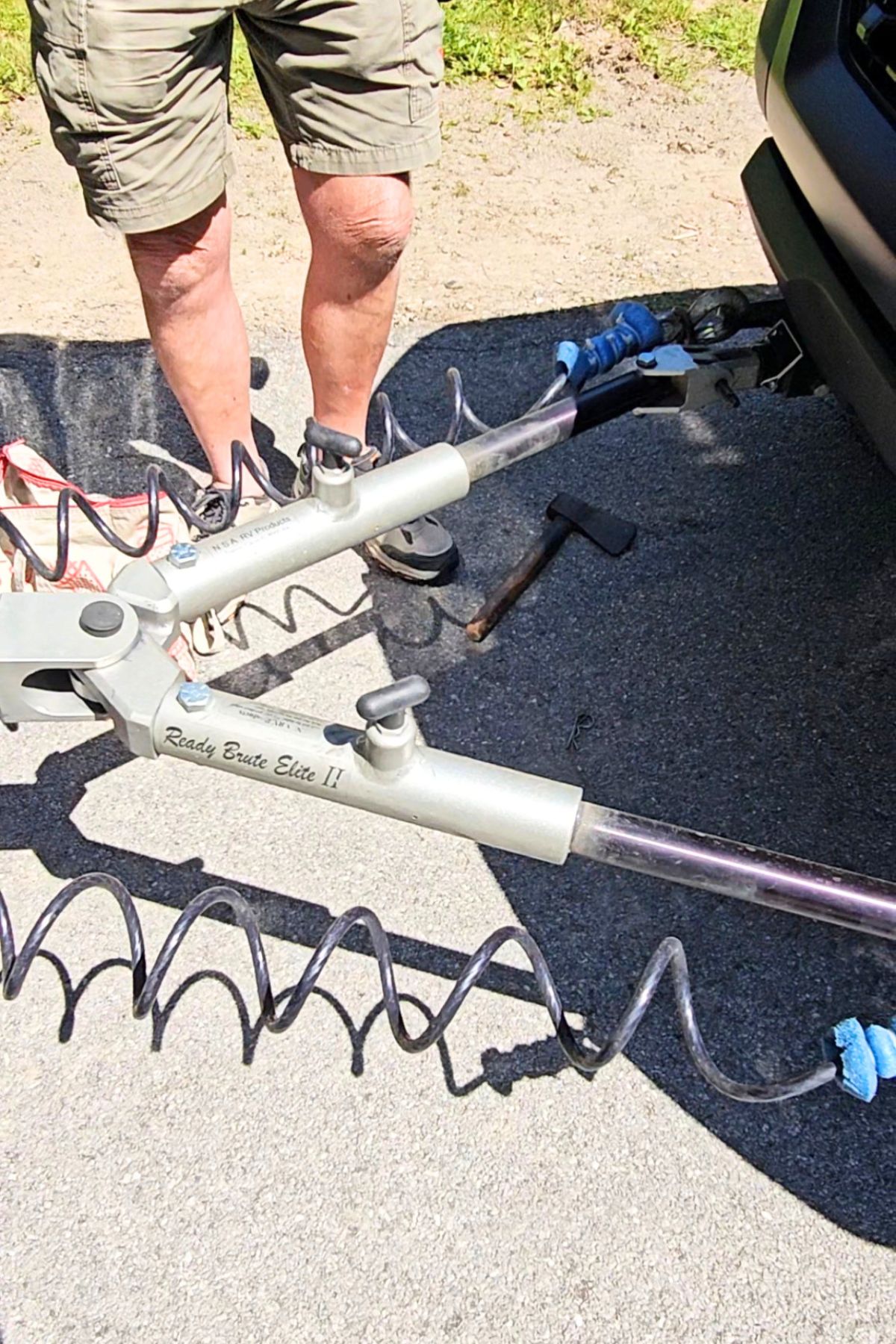
NSA’s Ready Brute tow bar, made just down the road in Iola, is what we currently run on our motorhome, towing our Chevy Colorado behind us.

Where Should You Start a Southeast Kansas Road Trip?
Start in Chanute; it’s centrally located, RV-friendly, and gives you easy access to every other stop in this guide.
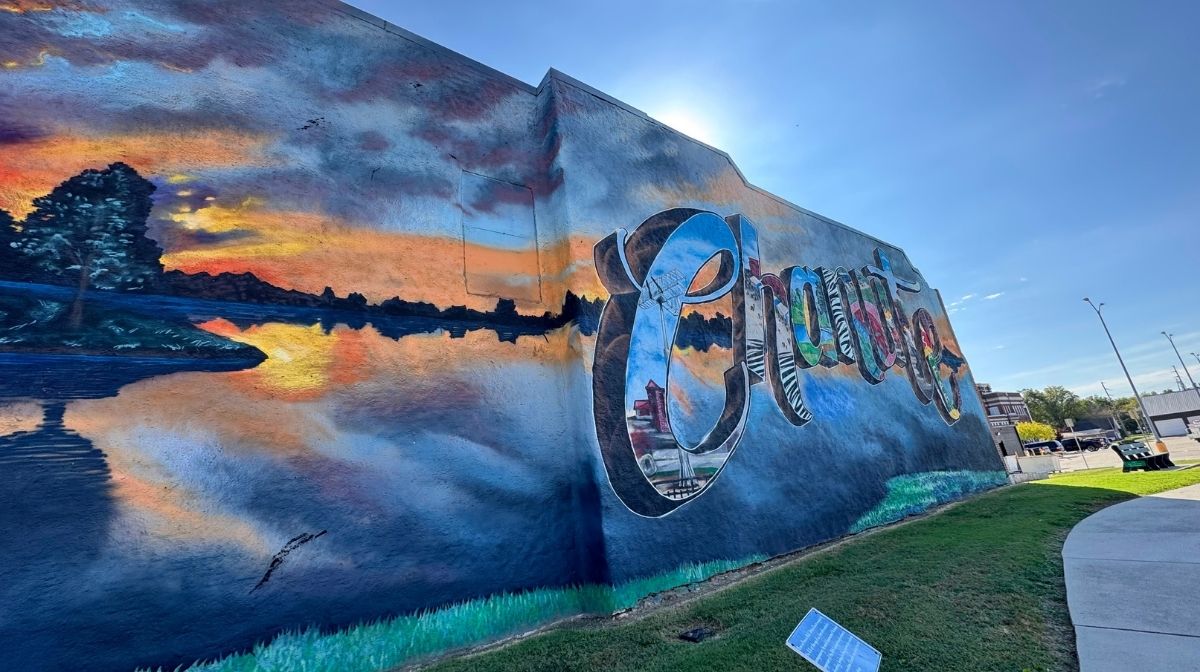
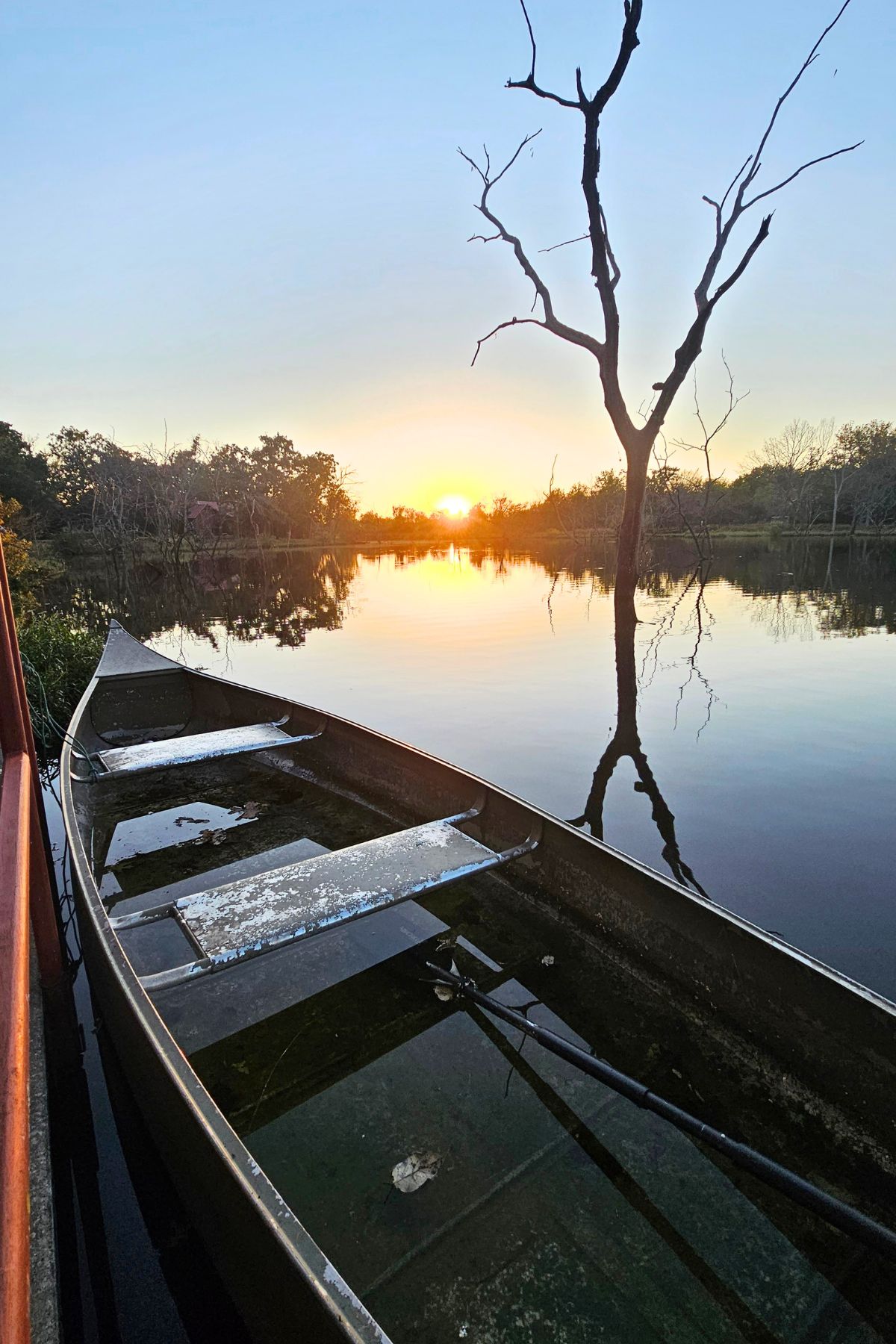
Our starting location for this trip was Lil’ Toledo Lodge, a unique property with real character.
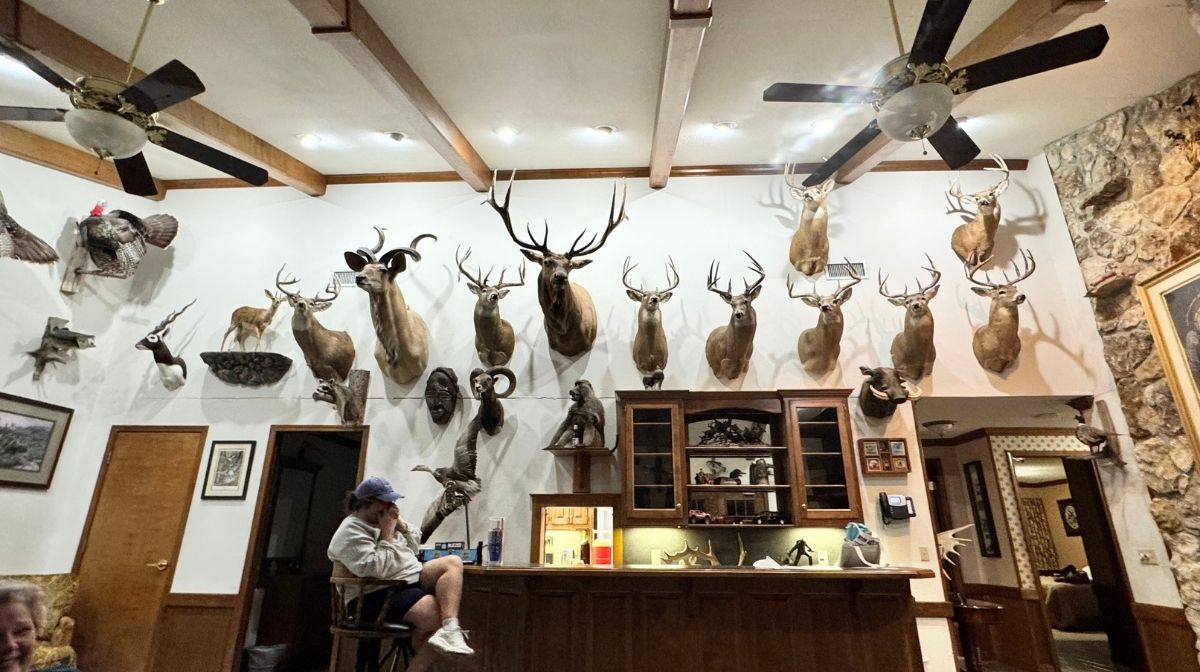
The caretaker gave us a full tour of the grounds and the kind of storytelling that makes a place stick with you long after you leave. If you’re doing this region, look into it as your base.
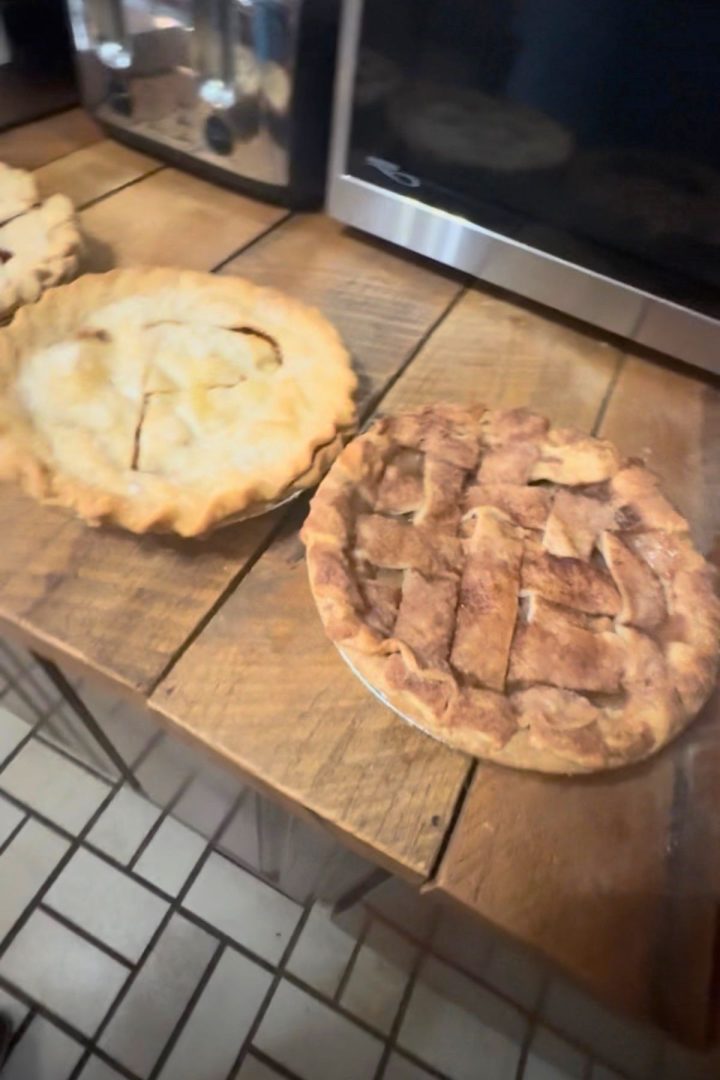
Dinner the first night was Opie’s, and yes, the pies are exactly as good as the name implies.
Before you leave Chanute, two stops that most visitors completely miss:
The Martin and Osa Johnson Safari Museum is one of the most underrated museums in the entire Midwest.
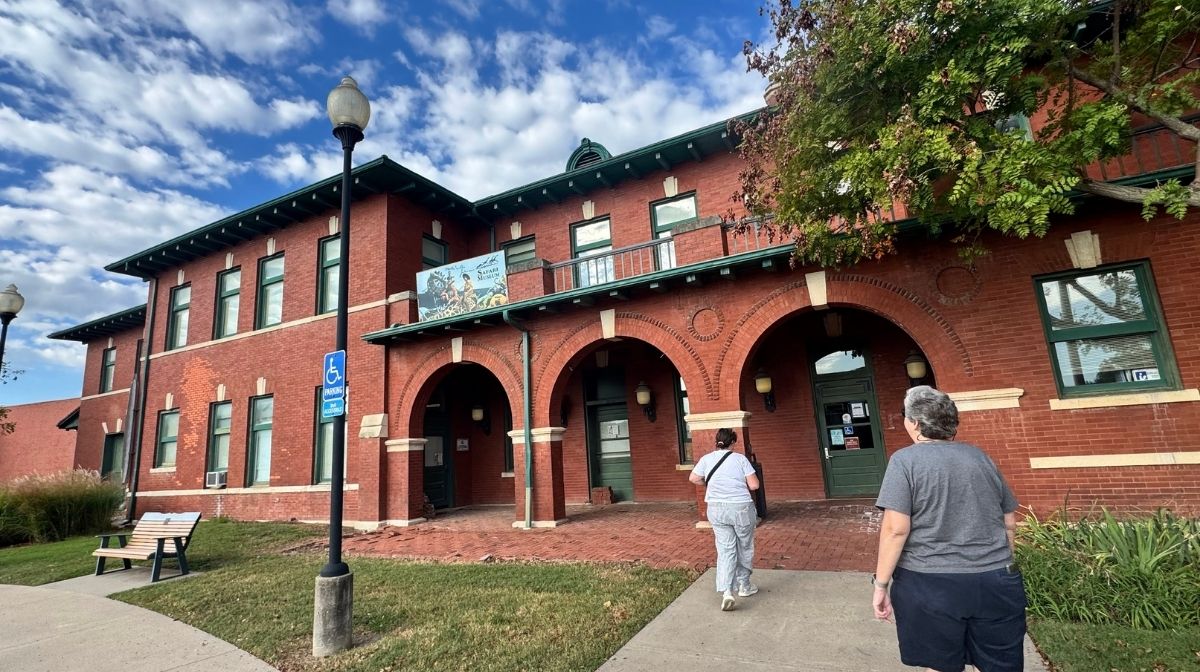
Martin and Osa Johnson were pioneering adventurers and wildlife filmmakers from Kansas.
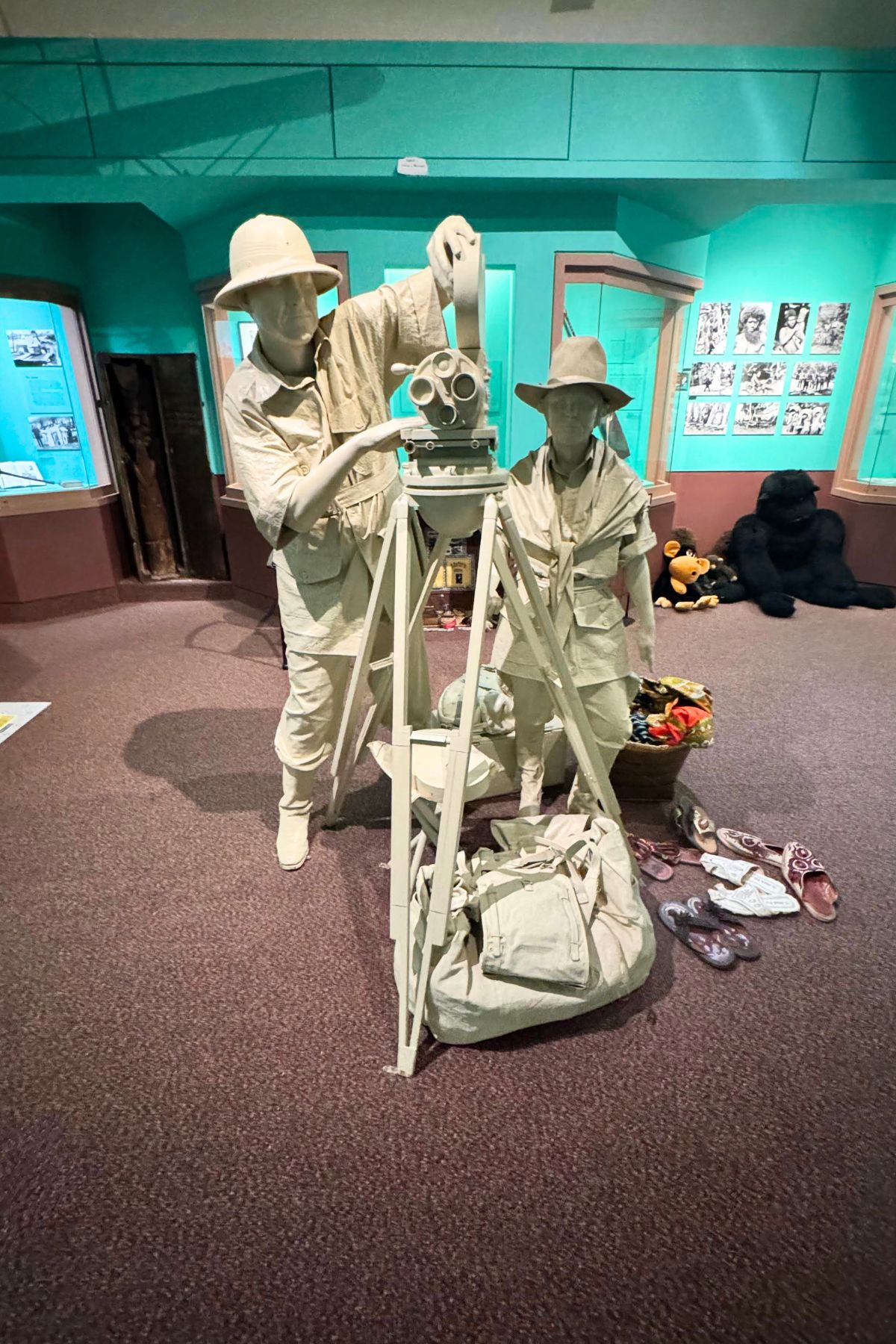
They spent decades documenting Africa and the South Pacific in the early 20th century, long before anyone else was doing anything remotely like it.
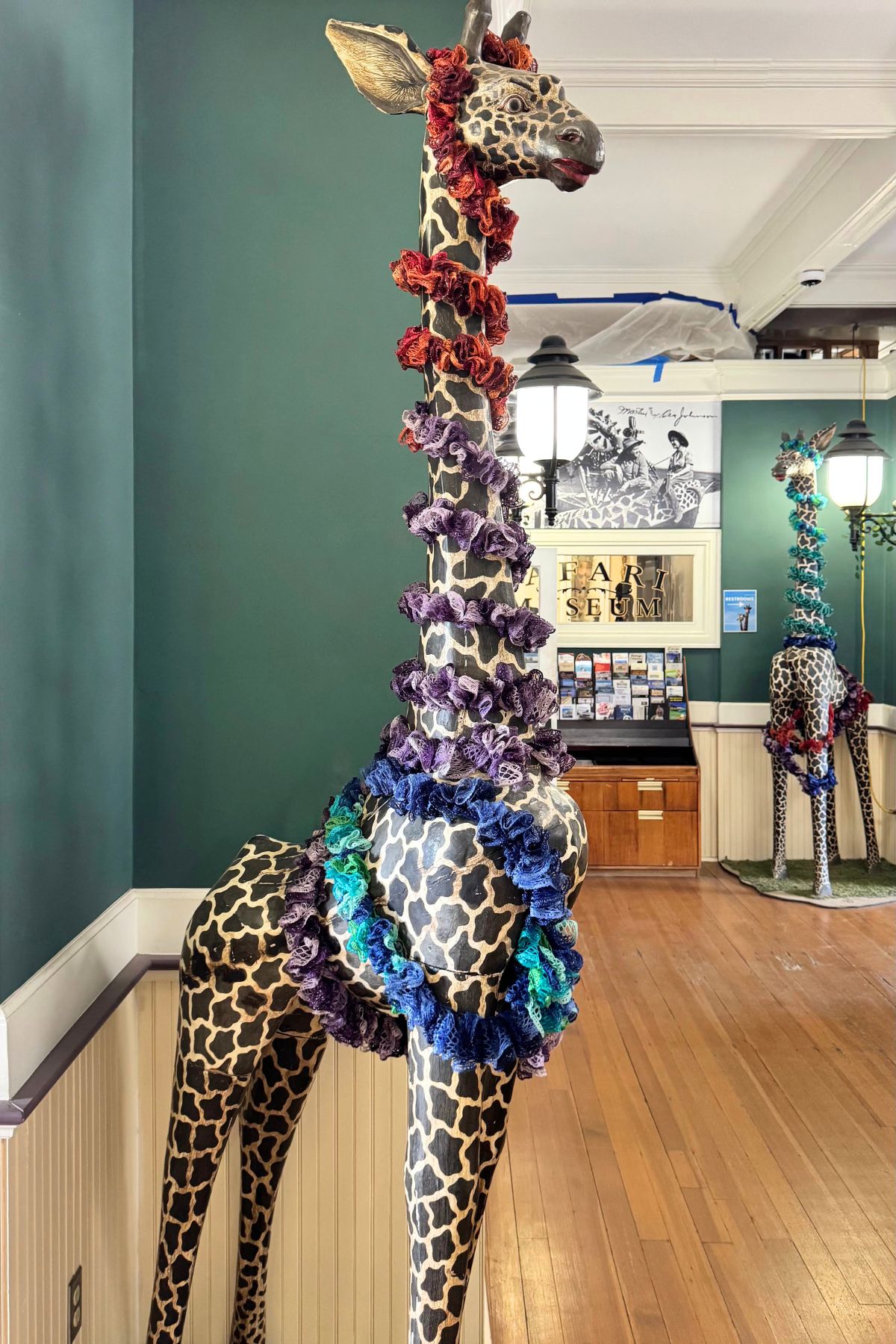
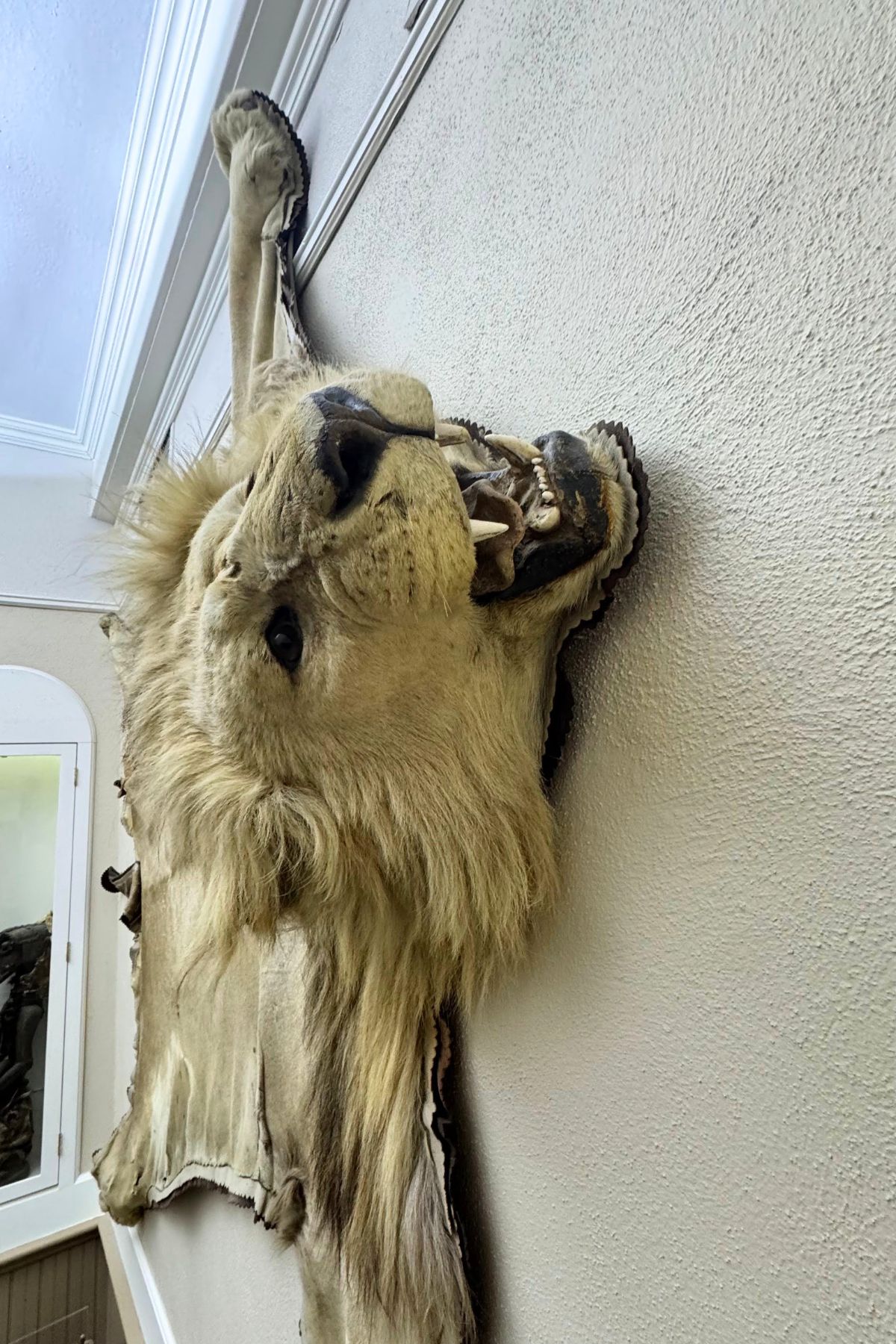
The museum in Chanute celebrates their extraordinary legacy. It’s the kind of place that reminds you how much remarkable history is hiding in small American towns.
Don’t skip the Center of Google Earth mural in downtown Chanute either; it marks the geographic center of the continental United States as determined by Google Earth. Five minutes. Free. Excellent photo.
What Is Big Brutus and Why Do People Drive Hours to See It?
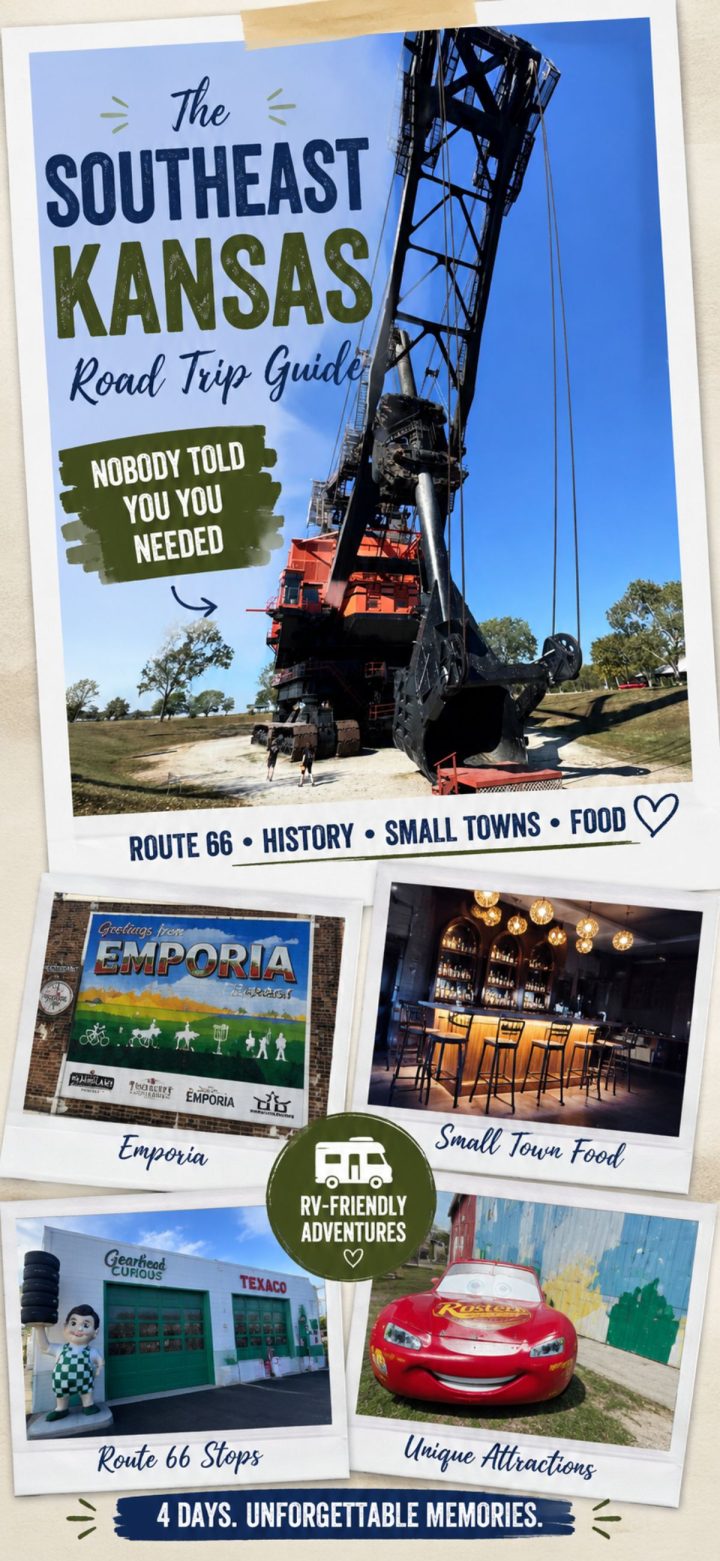
Big Brutus is a 16-story, 11-million-pound electric coal mining shovel in West Mineral, Kansas. It’s one of the most jaw-dropping roadside attractions in the entire United States.
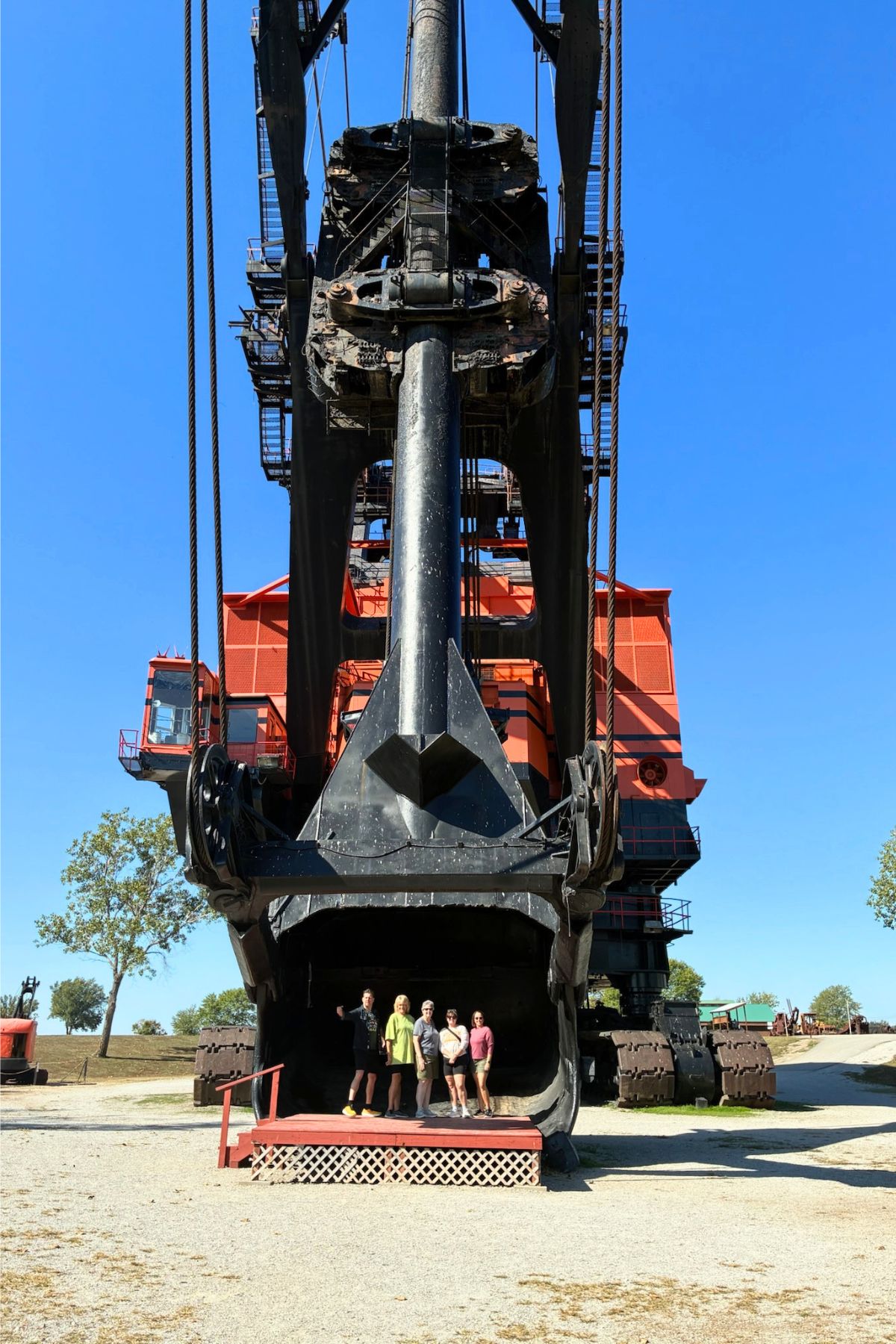
It operated 24 hours a day, 7 days a week from 1963 until 1974, moving enough dirt with a single scoop to fill three railroad cars. Since 1985, it’s been a museum and memorial honoring the coal mining heritage of Southeast Kansas and the miners who built this region.
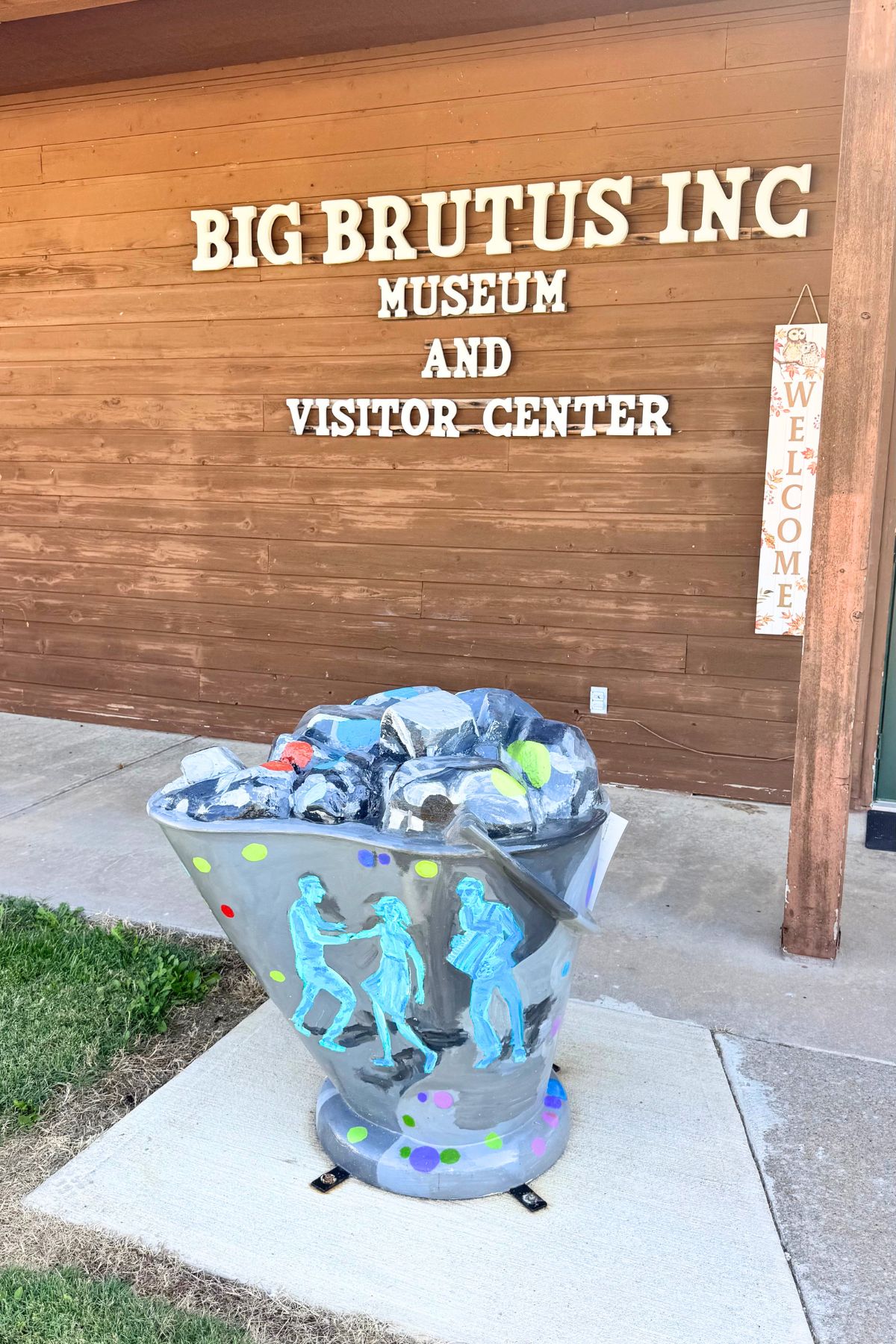
I had driven within an hour of Big Brutus for eighteen years without stopping. That is a mistake I will not make again.
You can climb inside it, up through the gears, into the operator’s cab, out onto the platform. The scale from up there is something you don’t forget. Budget at least an hour. More if you’re into industrial history.
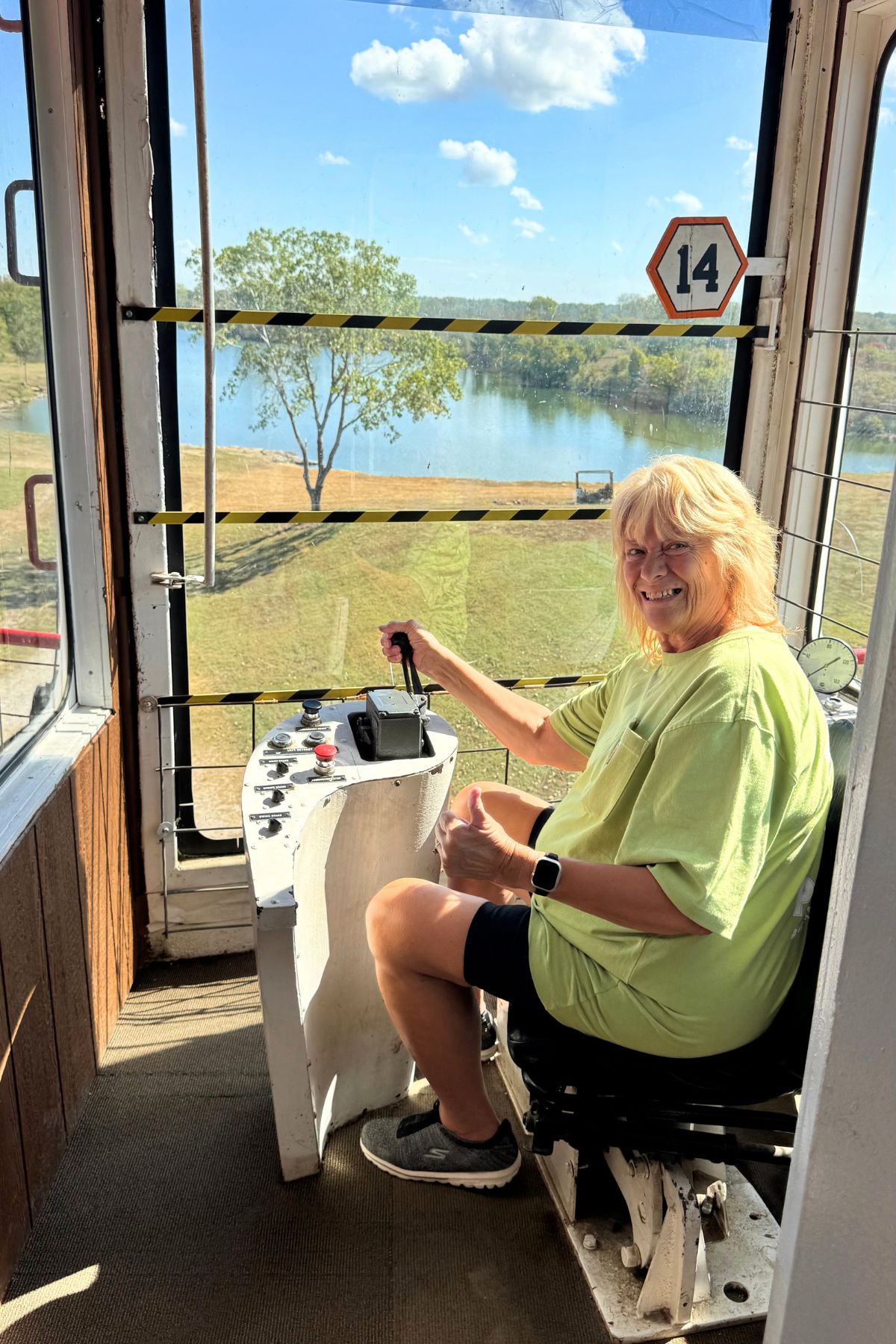
This part of Southeast Kansas was known as the Little Balkans, named for the large number of miners who immigrated here from the Balkan region of Europe to work the coal seams. Big Brutus is the centerpiece of that whole story, and the museum does it justice.
There’s also an RV park right on site at Big Brutus. It’s nothing fancy, but it’s a genuinely convenient option if you want to wake up within walking distance of an 11-million-pound shovel instead of driving in for the day.
🚐 RV Tip: West Mineral has about 150 people. Fill up on gas and grab snacks before you head out; there’s nothing near the attraction.
What Is There to See on Route 66 in Kansas?
Kansas has the shortest stretch of Route 66, just 13.2 miles through Cherokee County, but it’s one of the most well-preserved and photogenic sections on the entire Mother Road. The alignment passes through three historic towns: Baxter Springs, Riverton, and Galena.
Each one has its own distinct character, and together they make for one of the best half-days on any Route 66 road trip.
Drive it east to west:
Baxter Springs
Start at the Visitor Center, walk the downtown murals, then find the Brush Creek Bridge, also called the Marsh Arch Bridge or the Rainbow Bridge.
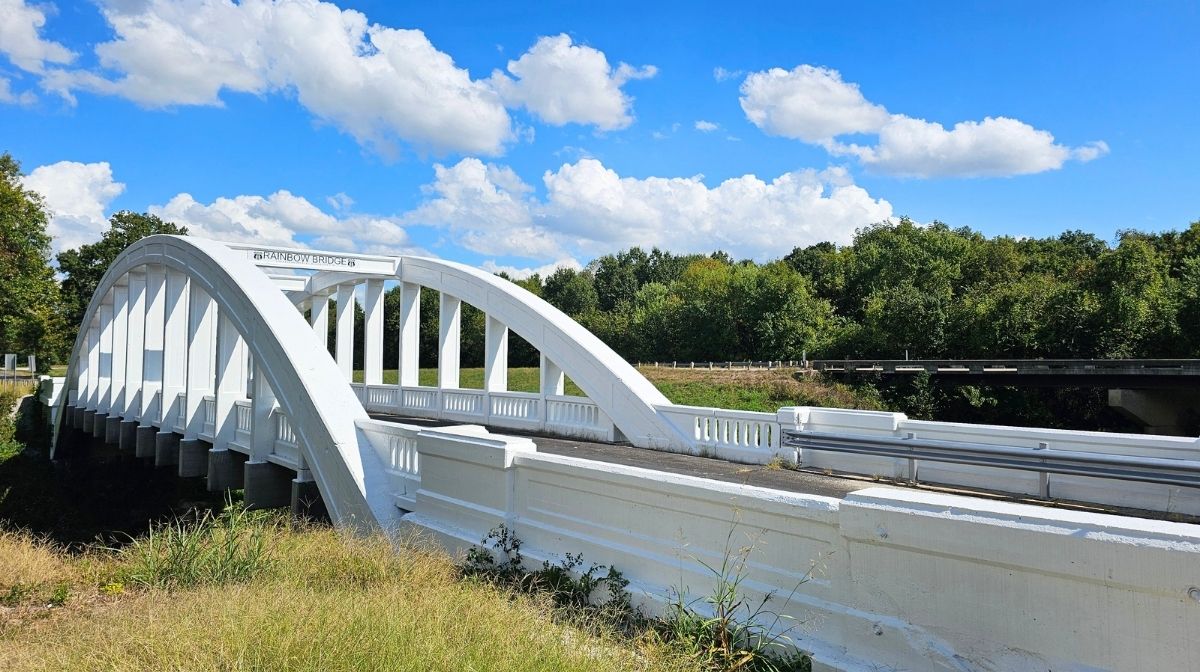
It’s the only surviving bridge of its type on all of Route 66, built in 1923, painted white, and listed on the National Register of Historic Places. It’s beautiful. Take the photo.
The Baxter Springs Heritage Center and Museum is 20,000 square feet of exhibits covering Native American history, the Civil War, Route 66 history, and more.
This is also where the town’s Civil War history runs deep: Baxter Springs was the site of the 1863 Baxter Springs Massacre, when Quantrill’s Raiders attacked the Union’s Fort Blair.
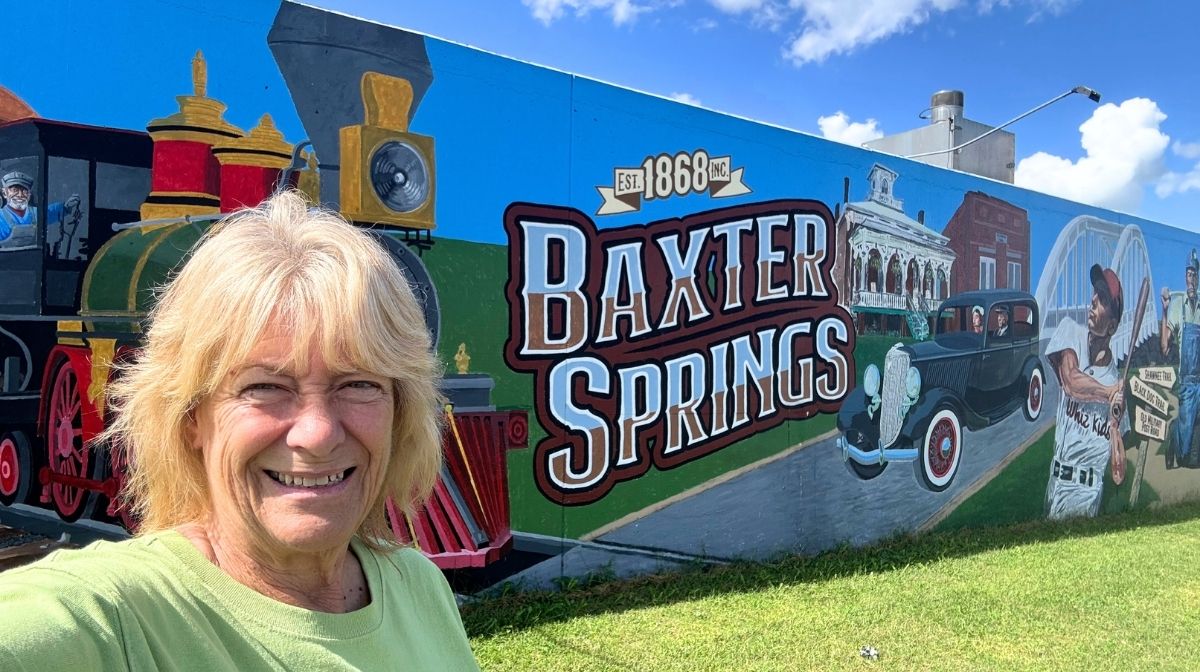
A self-guided Civil War driving tour, with maps available at the museum or Chamber of Commerce, covers 12 points of interest tied to the attack, and the Baxter Springs Massacre Memorial in the town cemetery honors the soldiers who defended the fort.
Riverton
Nelson’s Old Riverton Store is one of the oldest continuously operating stores on Route 66.
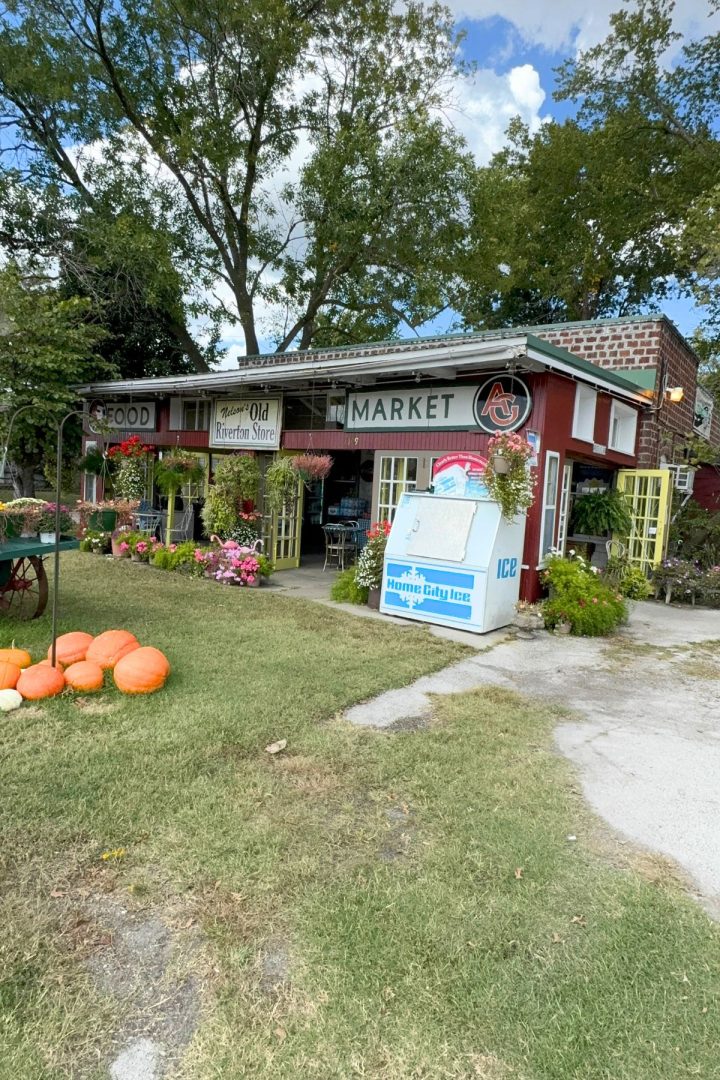
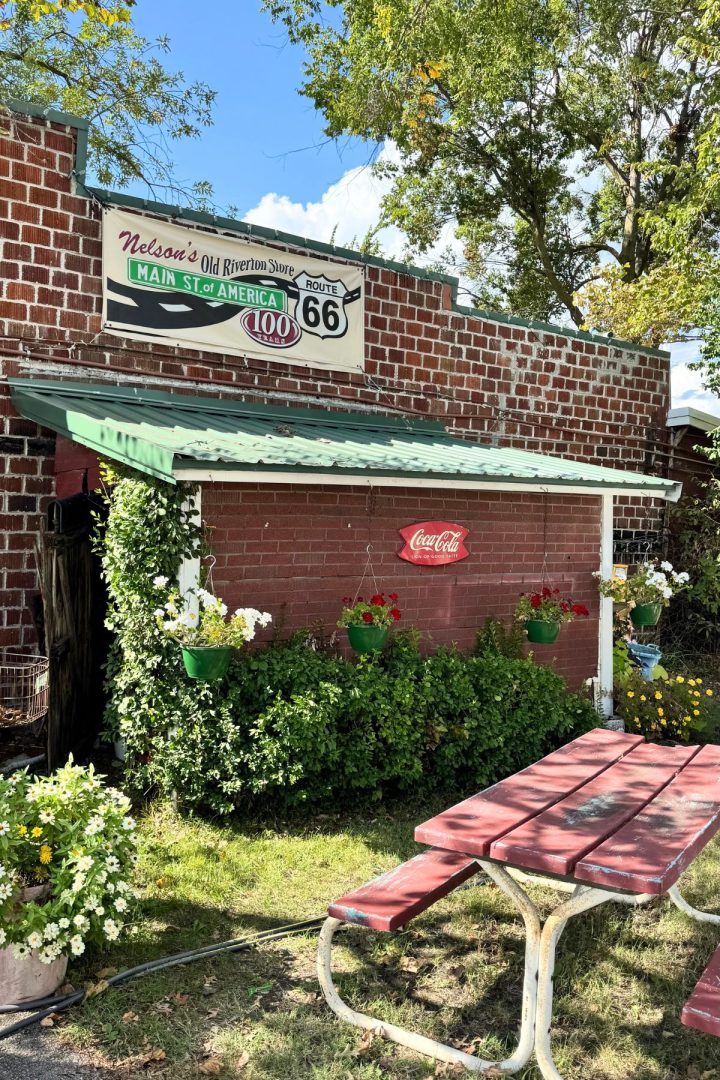
Walking in feels like stepping directly into 1950. Buy something from the shelves. It’s not about the purchase.
Galena
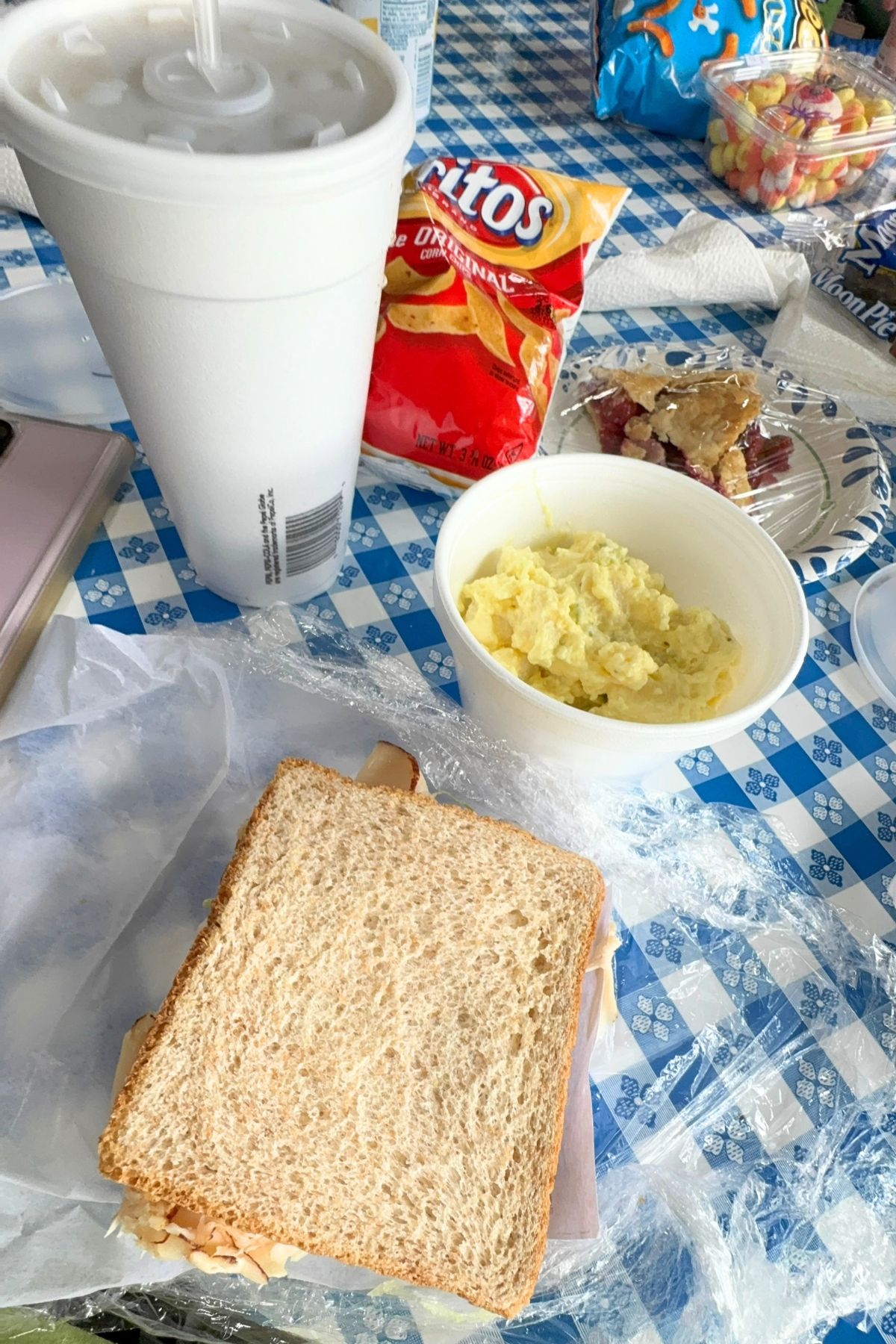
Save your appetite for Cars on the Route in Galena; lunch here is non-negotiable.
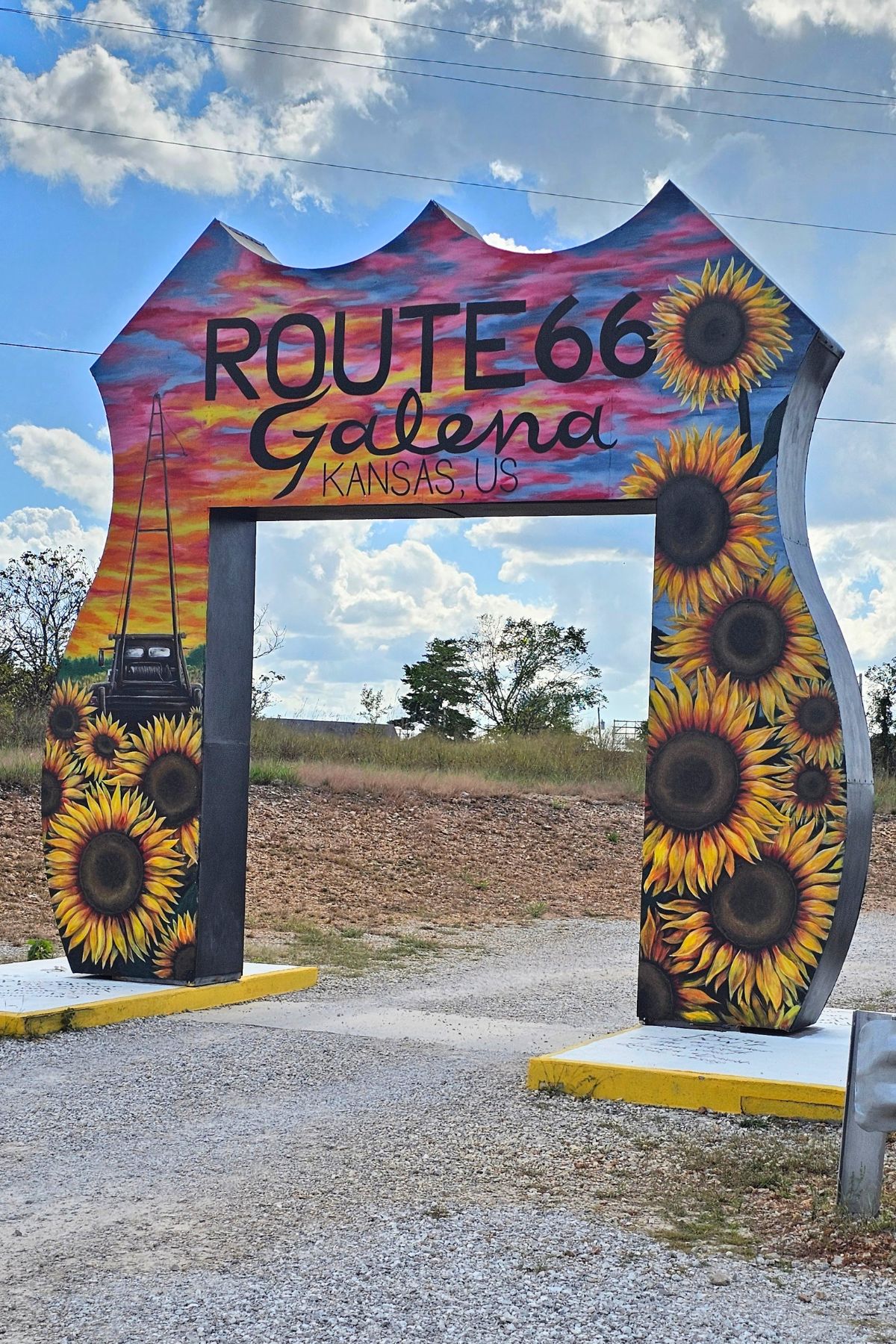
This restored Kan-O-Tex service station is the real-life inspiration for Radiator Springs from the Cars movies.
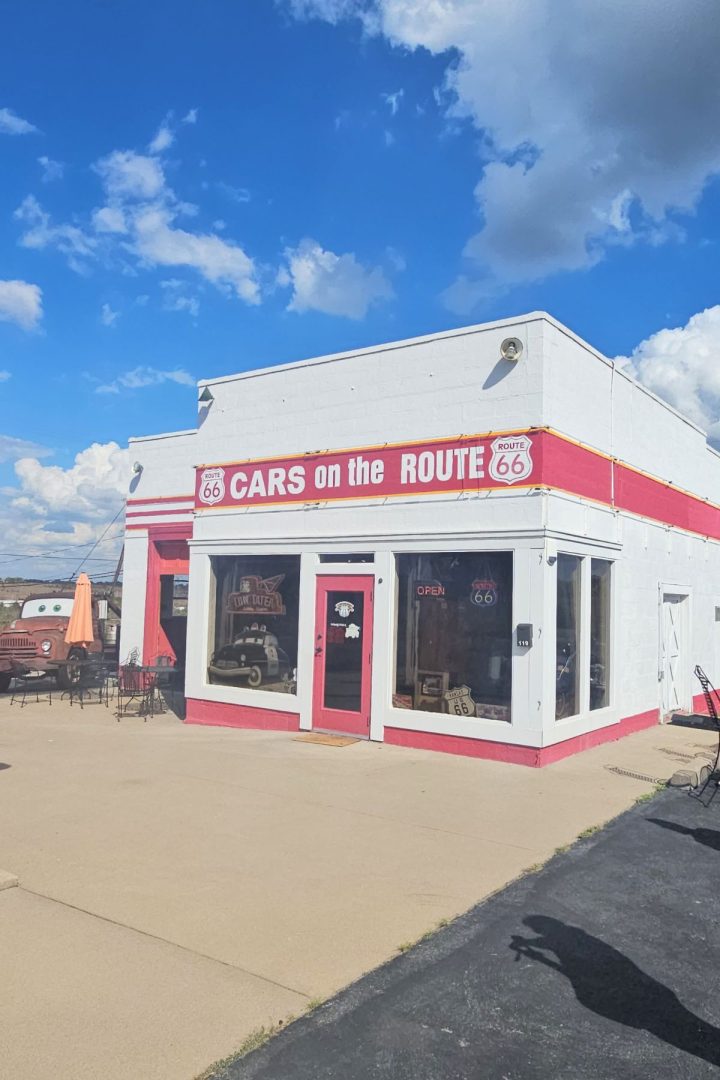
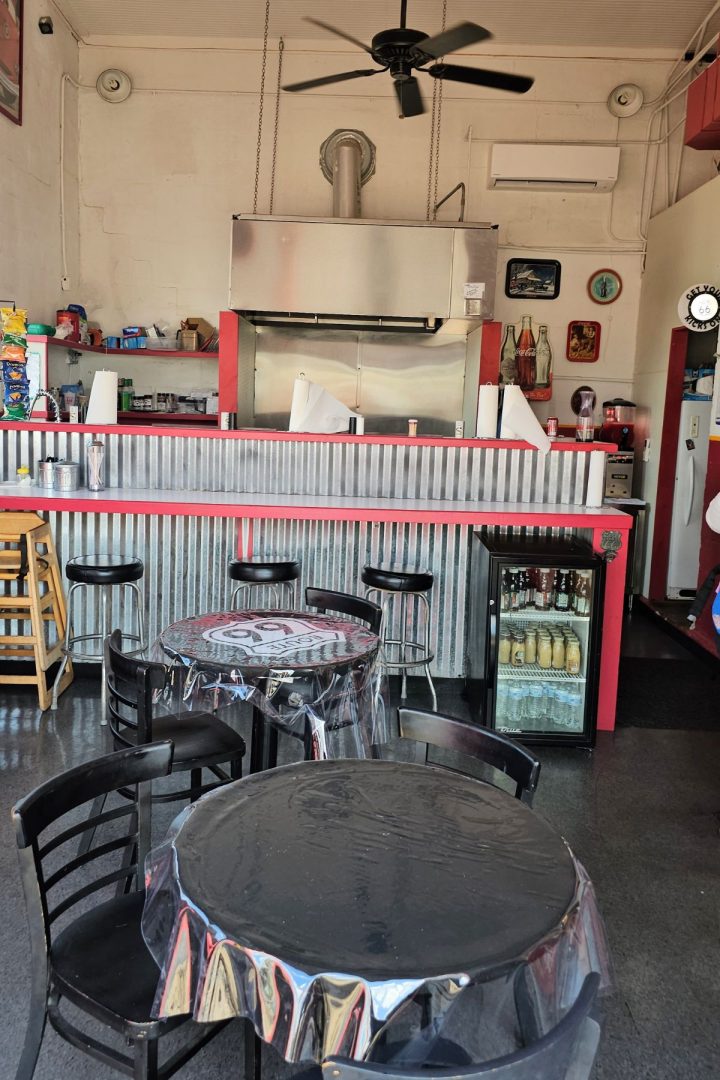
The original tow truck that inspired Tow Mater is right there in the parking lot, along with a collection of vintage vehicles.
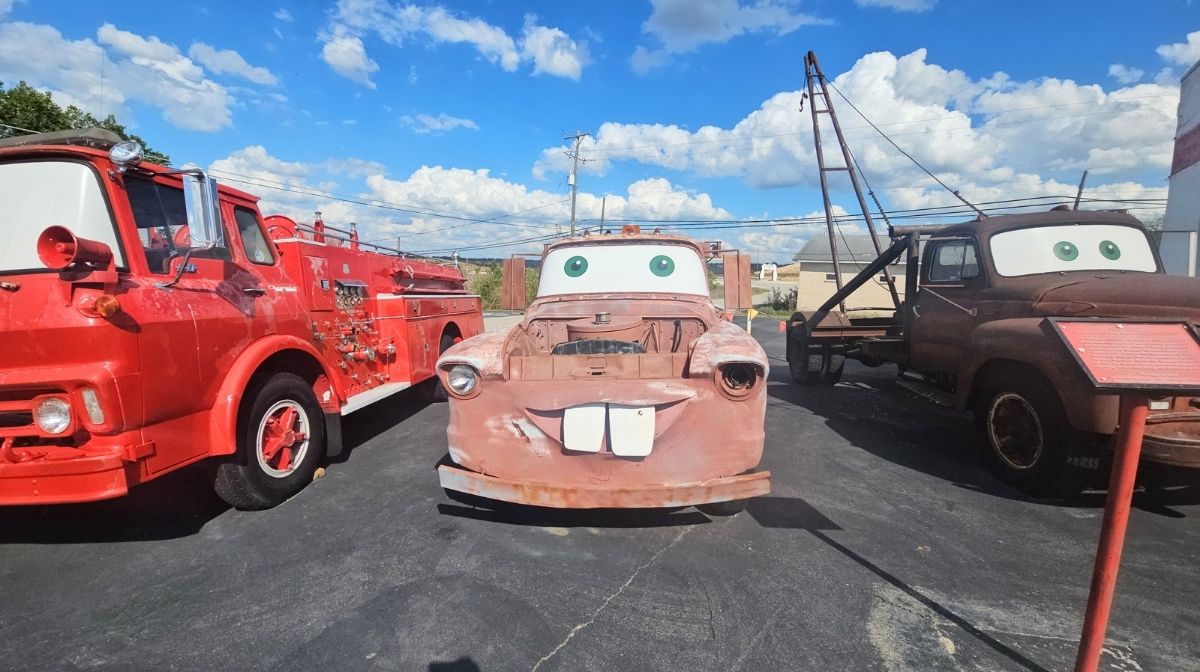
After lunch, explore Gearhead Curios and Luigi’s Pit Stop, both packed with Route 66 memorabilia and vintage finds. Walk the murals before you leave town.
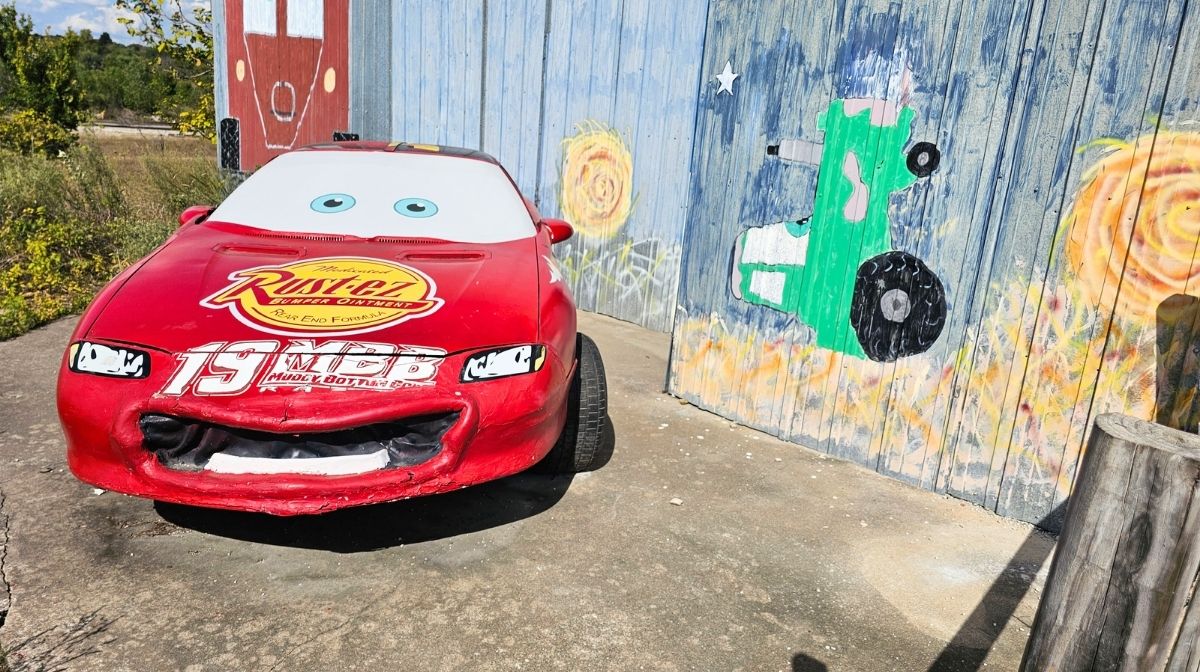
Visit Gearhead Curios
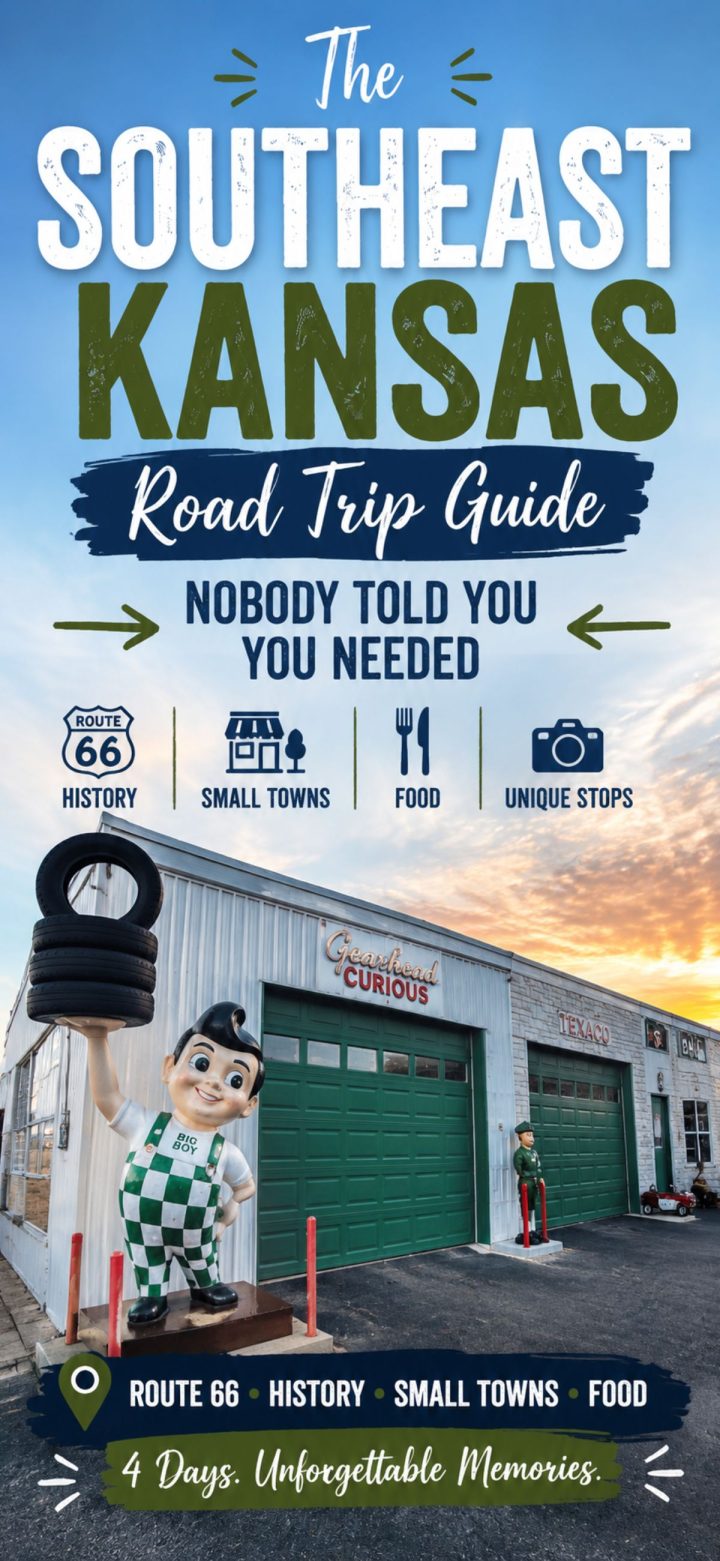
Gearhead Curios sits inside a beautifully restored 1939 Texaco station, and it’s worth the stop on its own merits.
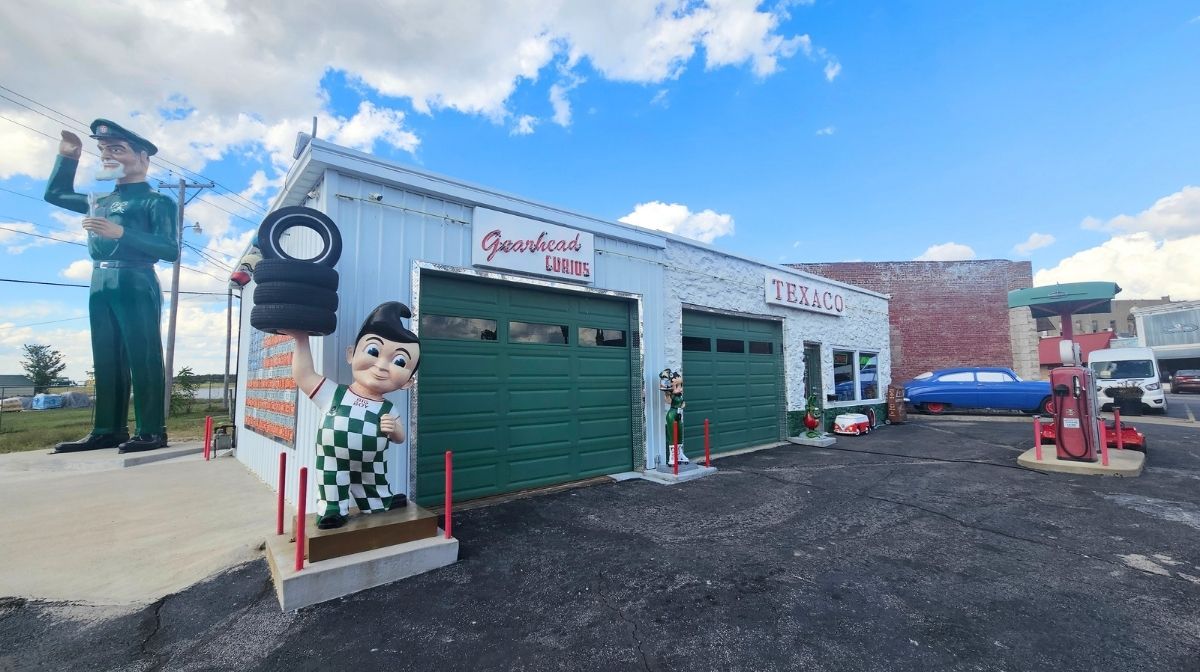
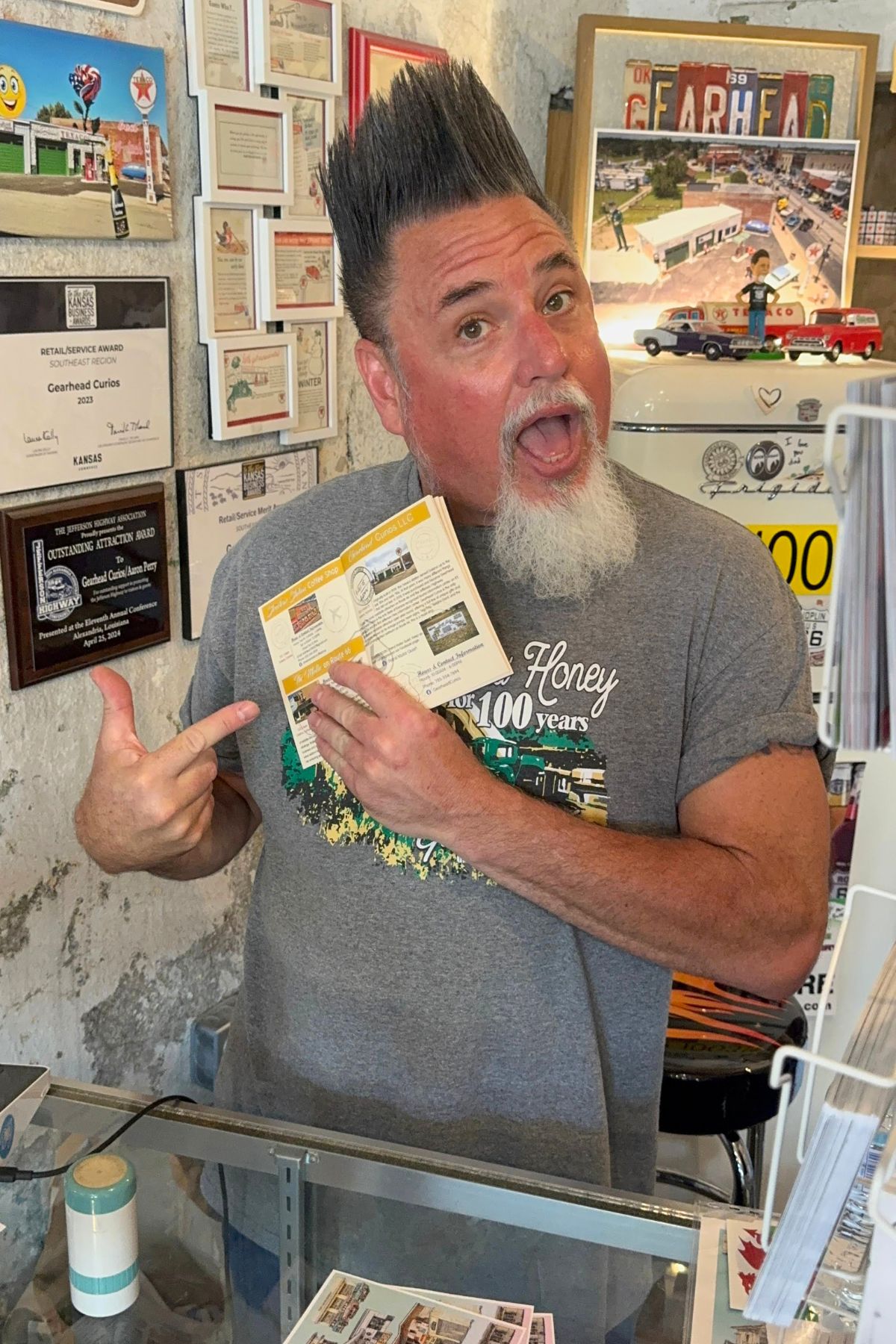
Owner Aaron Perry bought the crumbling building in 2018 and rebuilt it by hand, down to bringing electricity back into a structure that had sat dark for over 15 years.
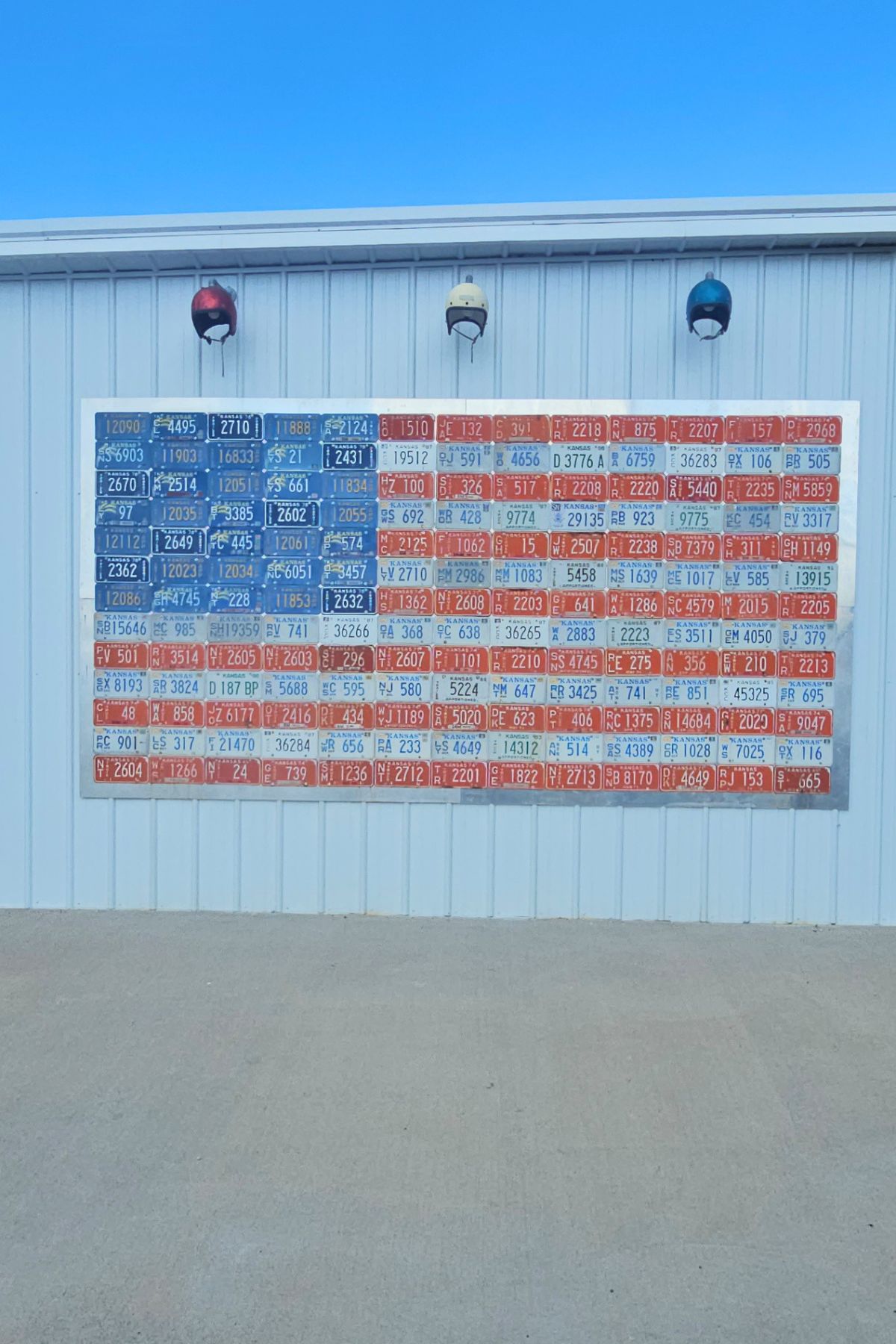
Outside, you’ll find vintage gas pumps, a 22-foot muffler man named Big A modeled after Perry himself, a Cars-inspired Hudson painted to look like Doc Hudson, and a Kansas license plate American flag made from 169 plates.
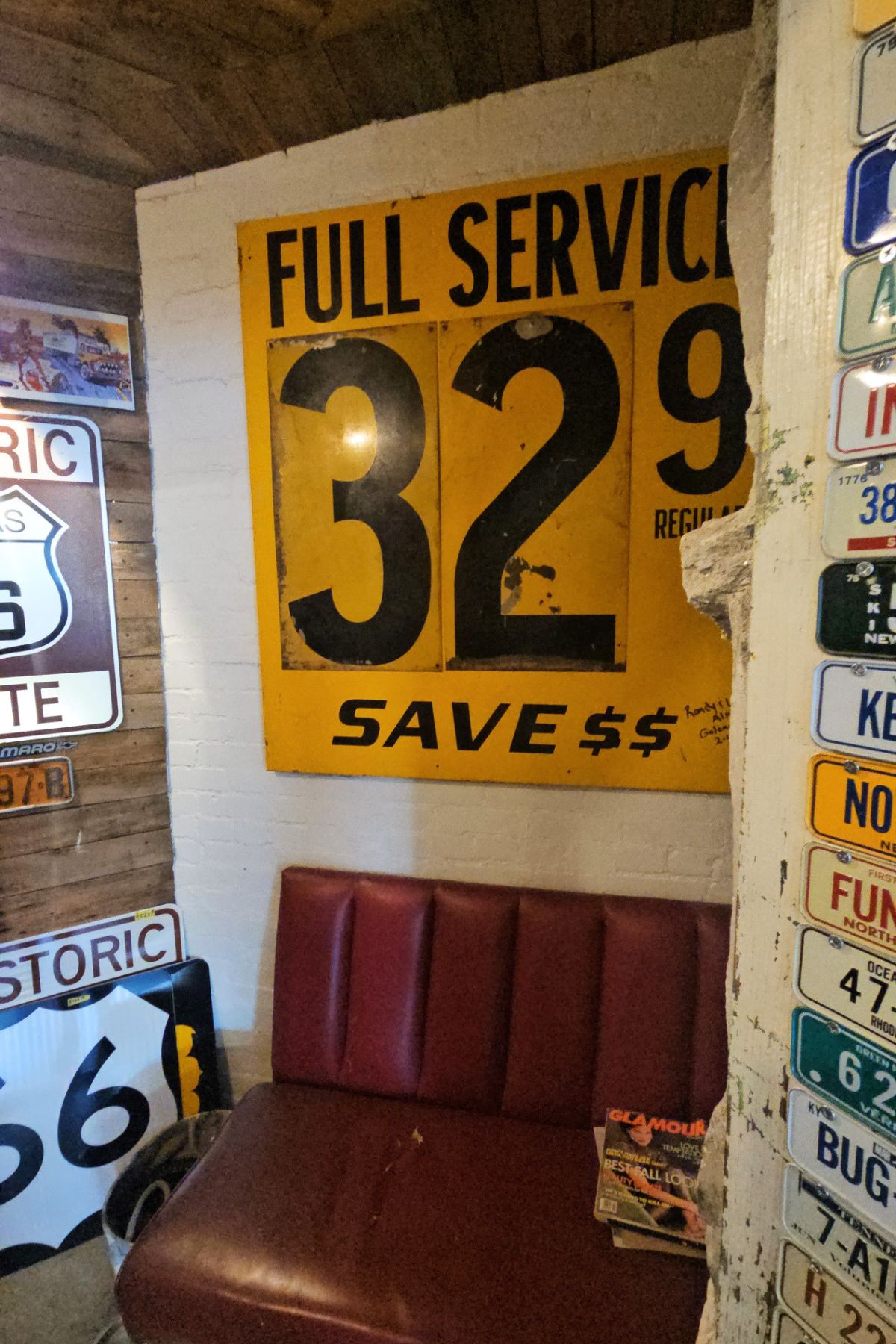
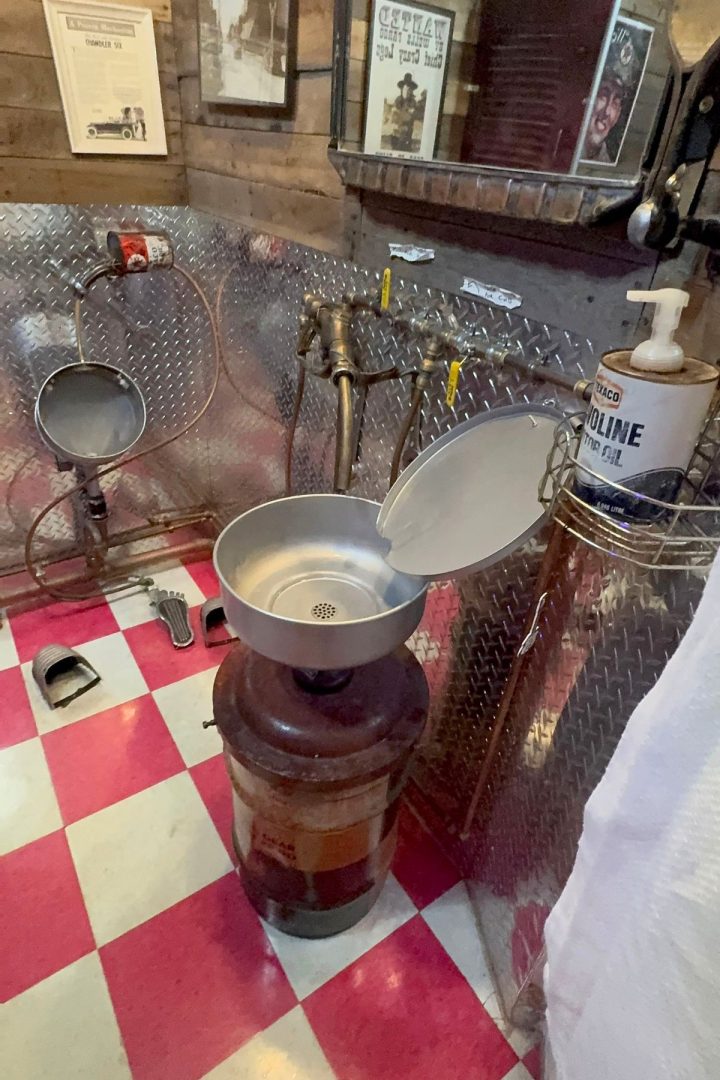
Inside, it’s a genuine Route 66 gift shop and the only official Kansas Tourist Information Center on this stretch of the road.
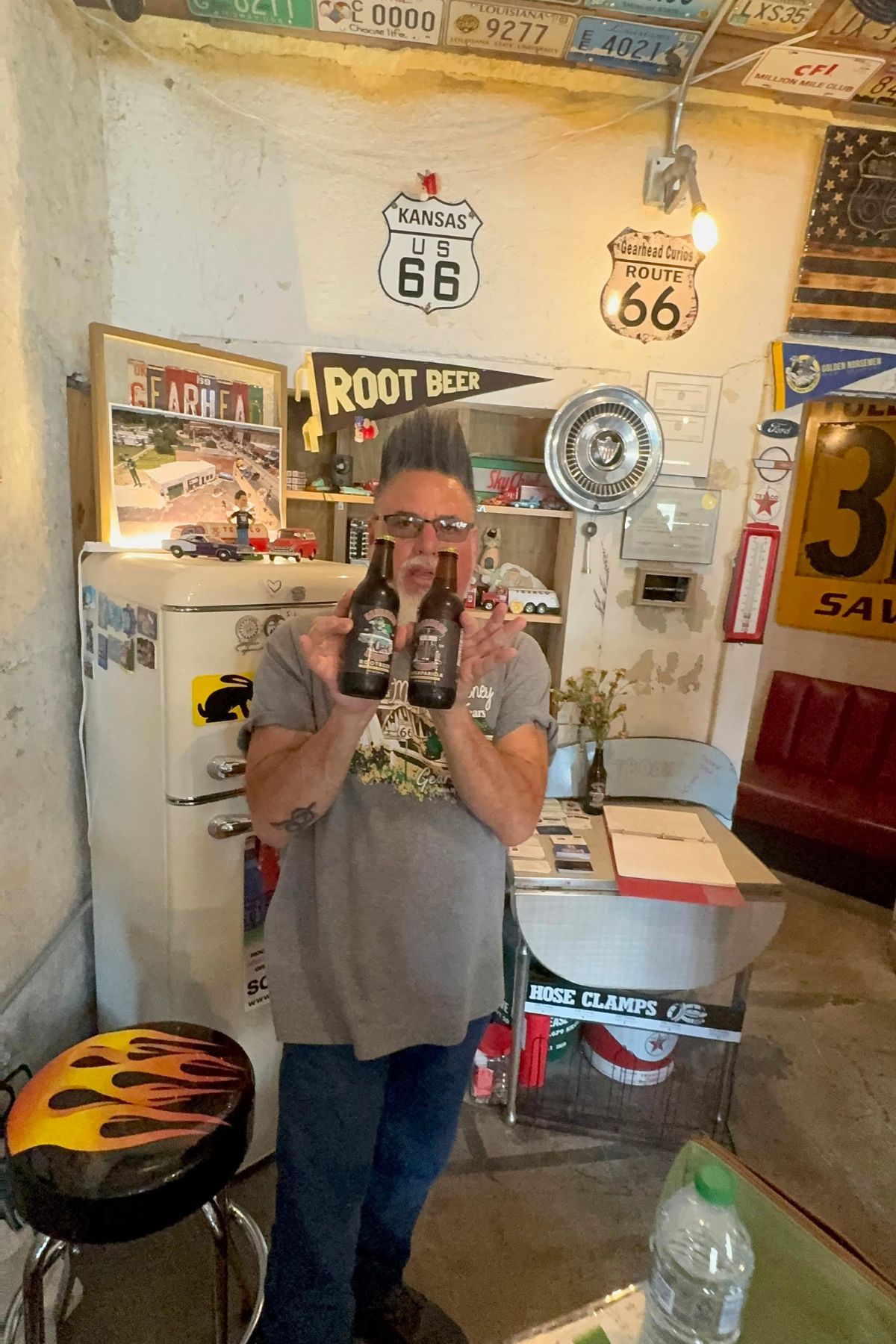
Plus what locals call the most photographed bathroom on all of Route 66. Give yourself real time here; it’s not a five-minute photo stop.
Pittsburg and Frontenac
Heritage Hall Museum in Frontenac tells the deep story of the region’s mining history and immigrant communities.
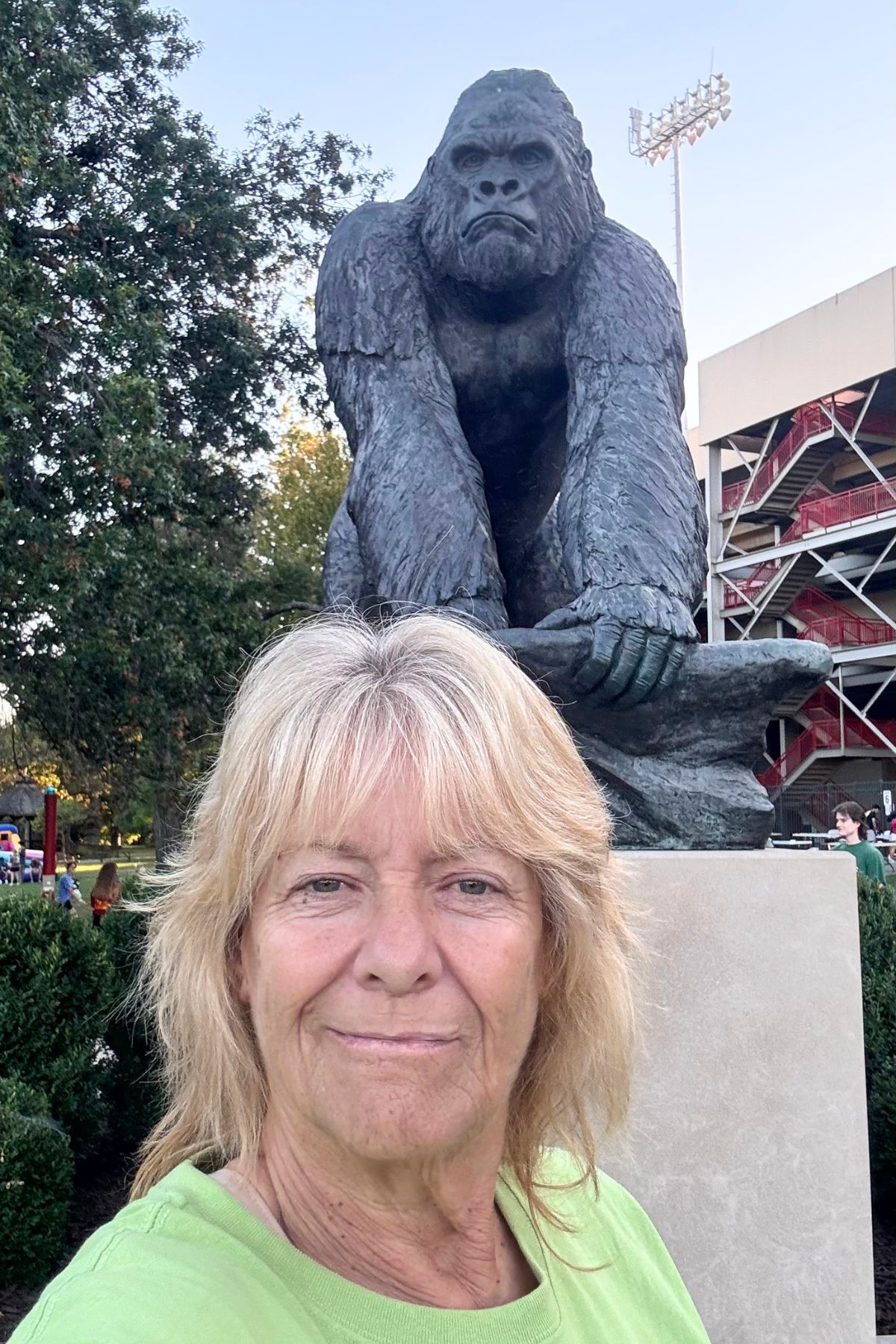
Then find the Gorilla statues and murals scattered through Pittsburg; the city leans all the way into its mascot, and take a few minutes at the Miner’s Memorial, which is genuinely moving.
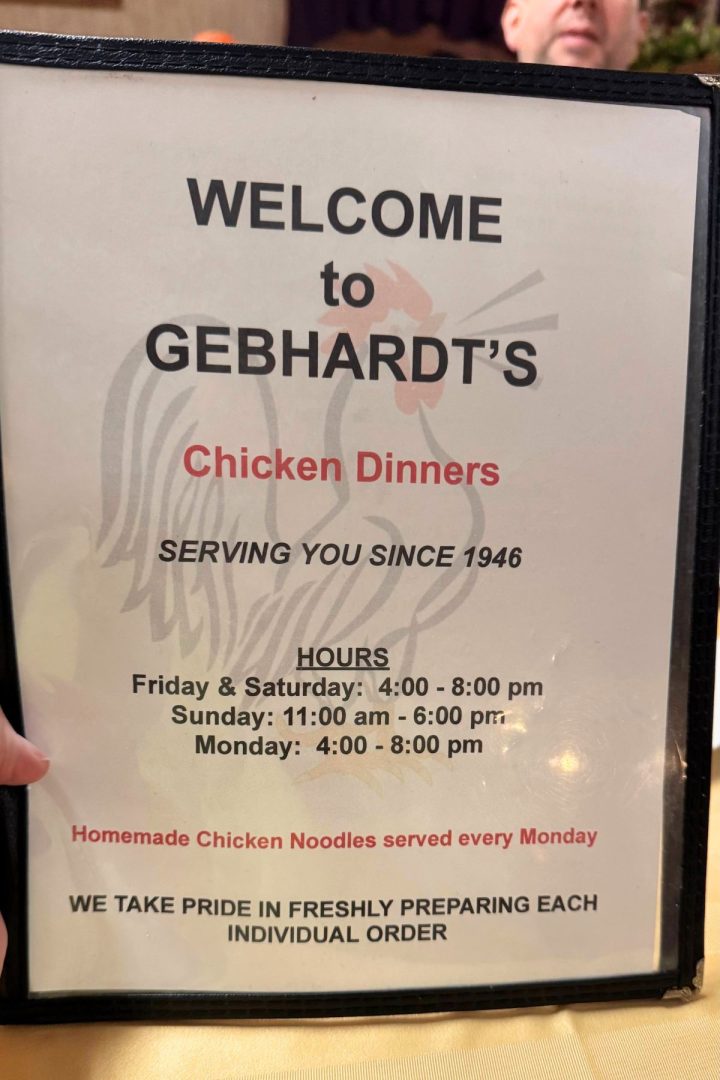
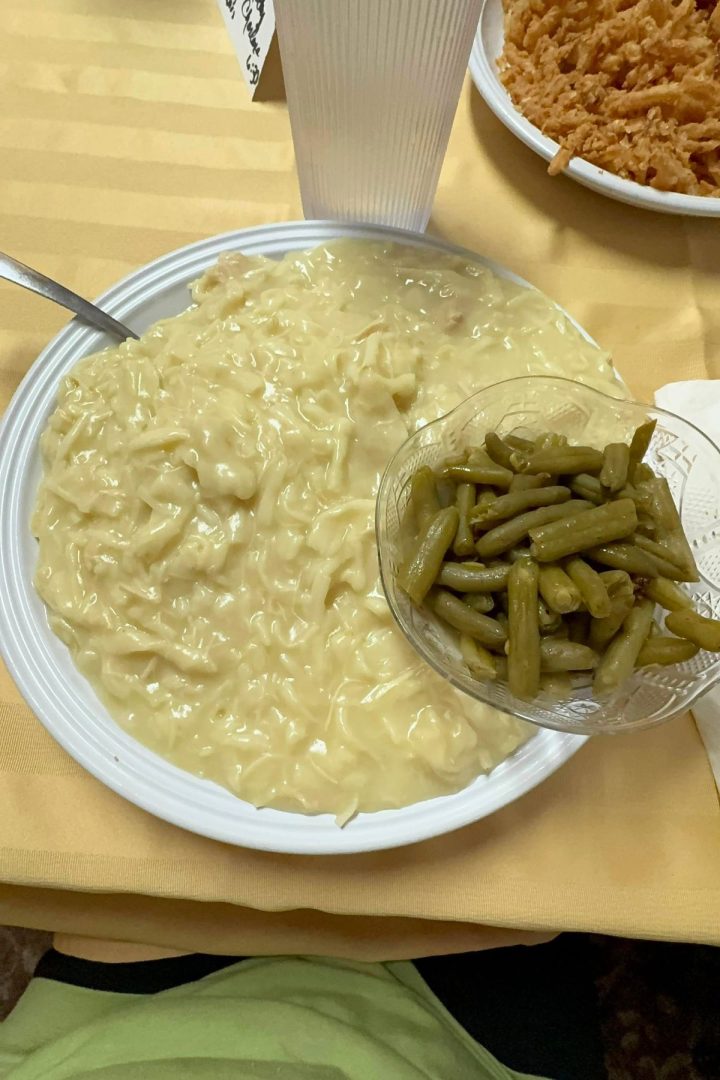
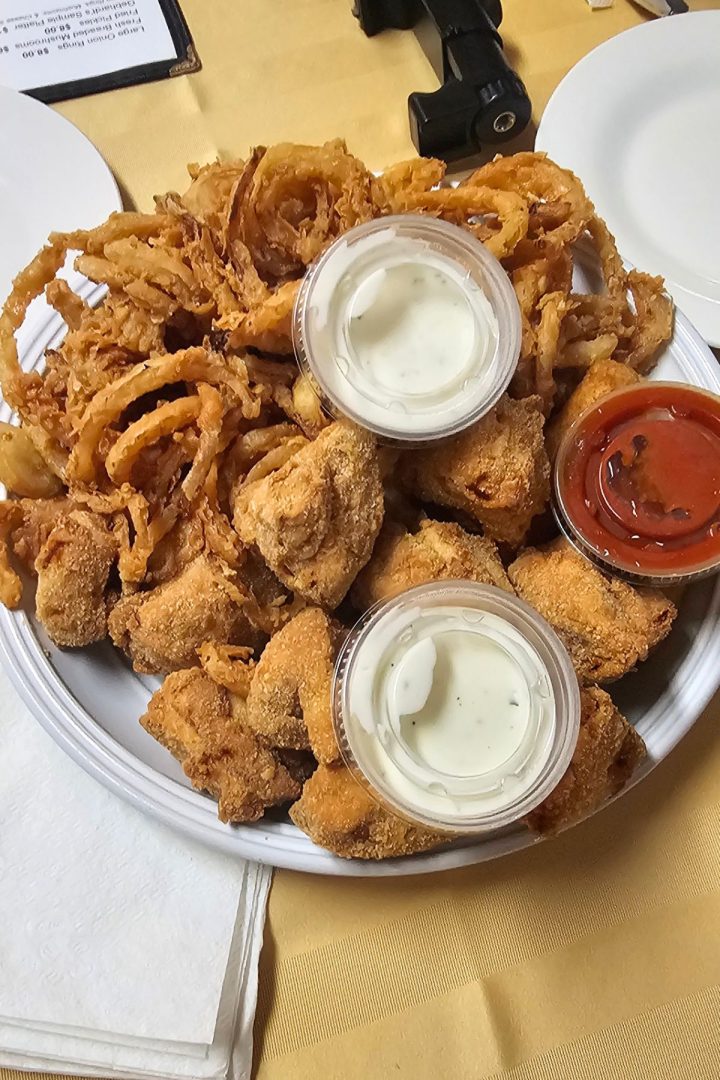
Dinner at Gebhardt’s Chicken Dinners is mandatory. This place has been a Southeast Kansas institution for decades, and the fried chicken lives up to every word of its reputation.
What Is the Lowell Milken Center for Unsung Heroes in Fort Scott?
Fort Scott’s own Civil War story runs deep before you even get to the Milken Center. During the war, the Union Army reestablished a military post here to defend the middle border. It served as a supply base for operations in Missouri, Arkansas, and Indian Territory.
It also trained Union troops, including the First Kansas Colored Infantry, the first Black unit from a northern state to see battle in the war. Fort Scott National Historic Site preserves that history today.
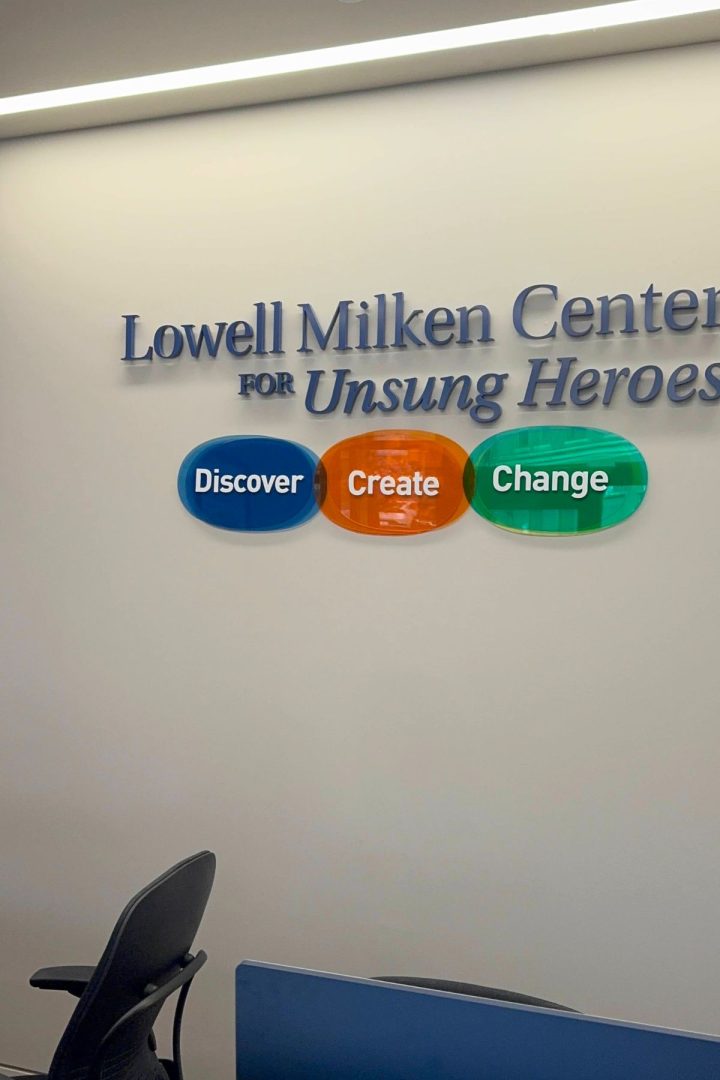
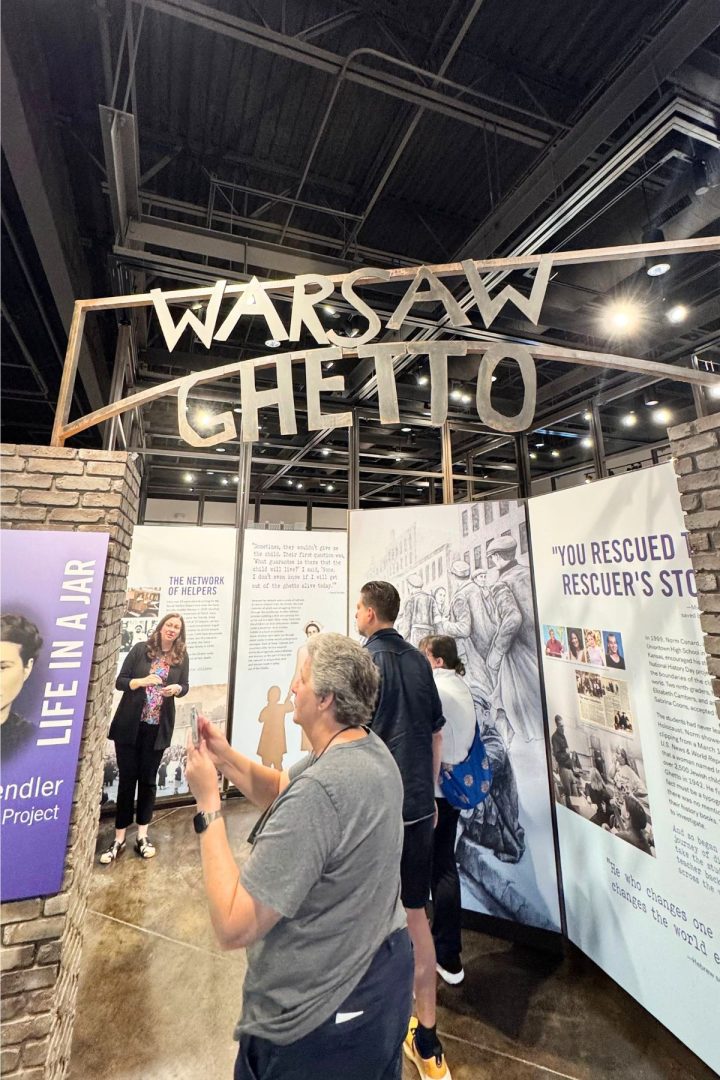
The Lowell Milken Center for Unsung Heroes is a free museum in Fort Scott, Kansas, dedicated to ordinary people throughout history who made an extraordinary positive impact on the world, often at great personal risk, and almost always without recognition.
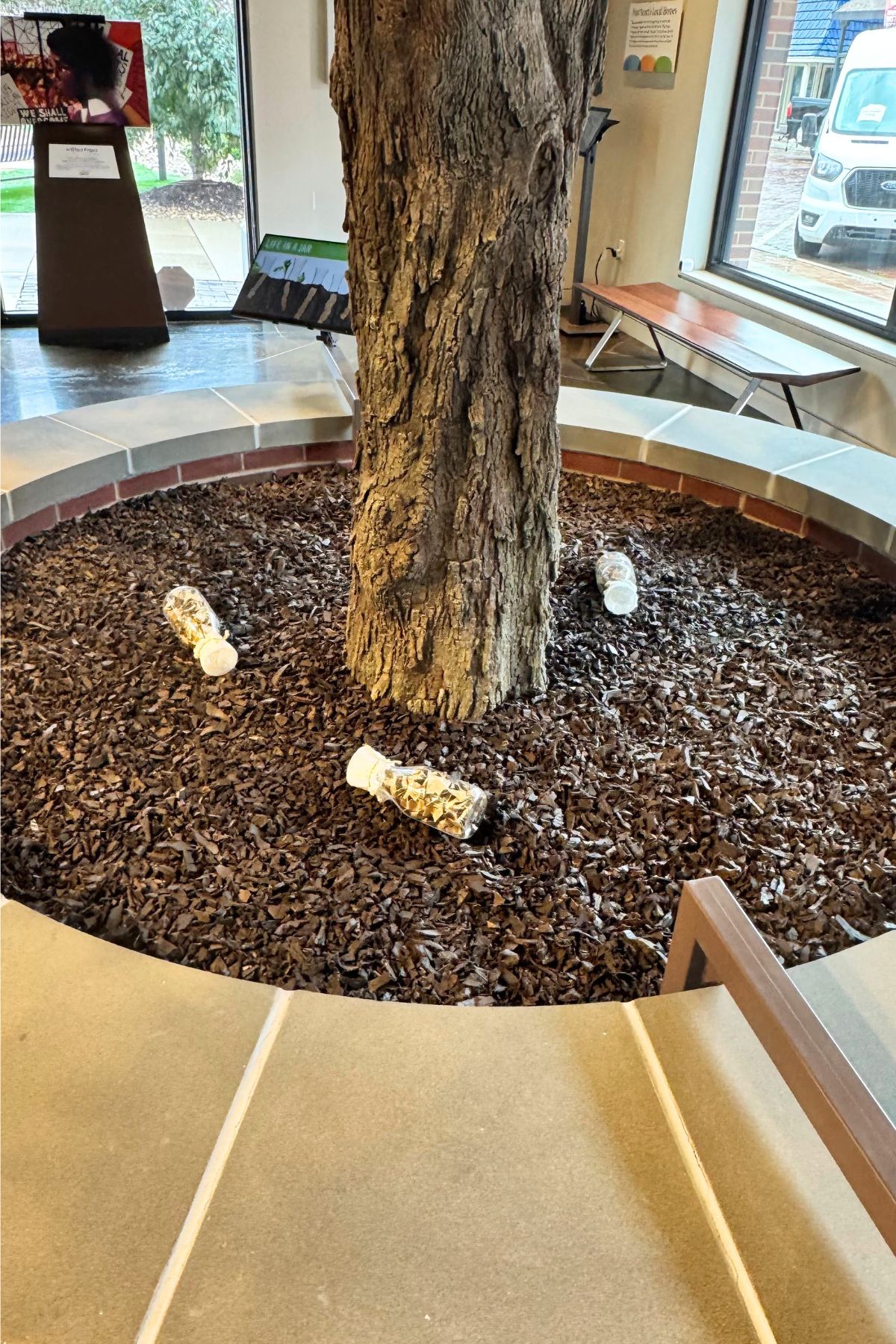
The center grew from a 1999 high school history project by three Kansas students who wanted to tell the story of Irena Sendler, a Polish social worker who saved 2,500 Jewish children during the Holocaust.
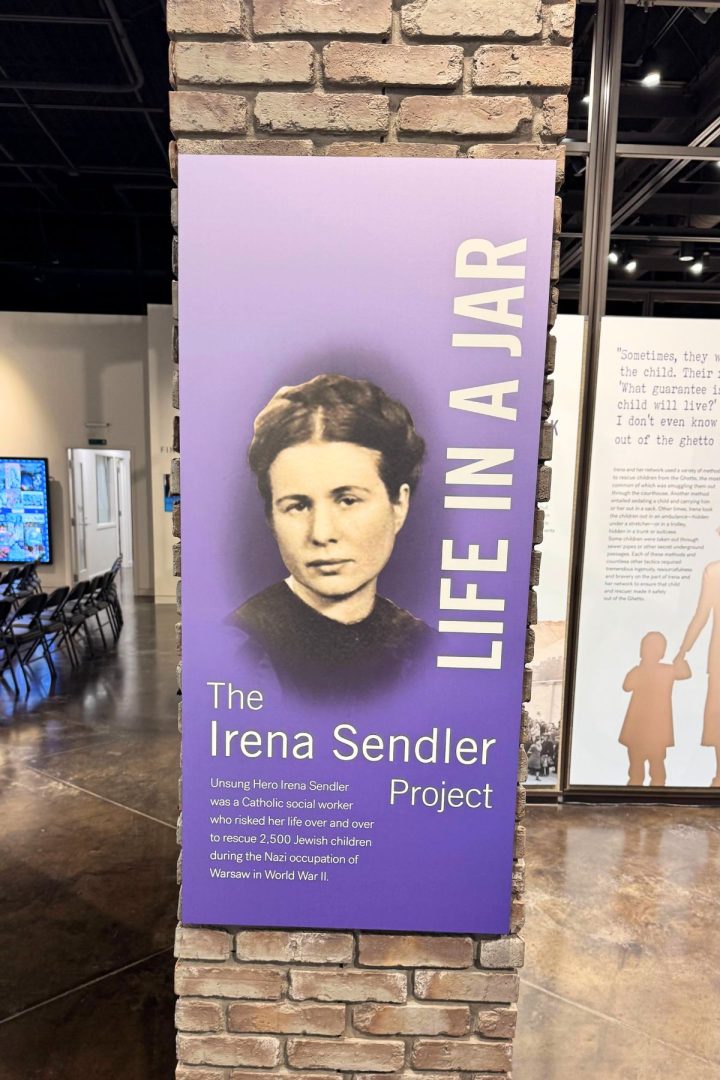
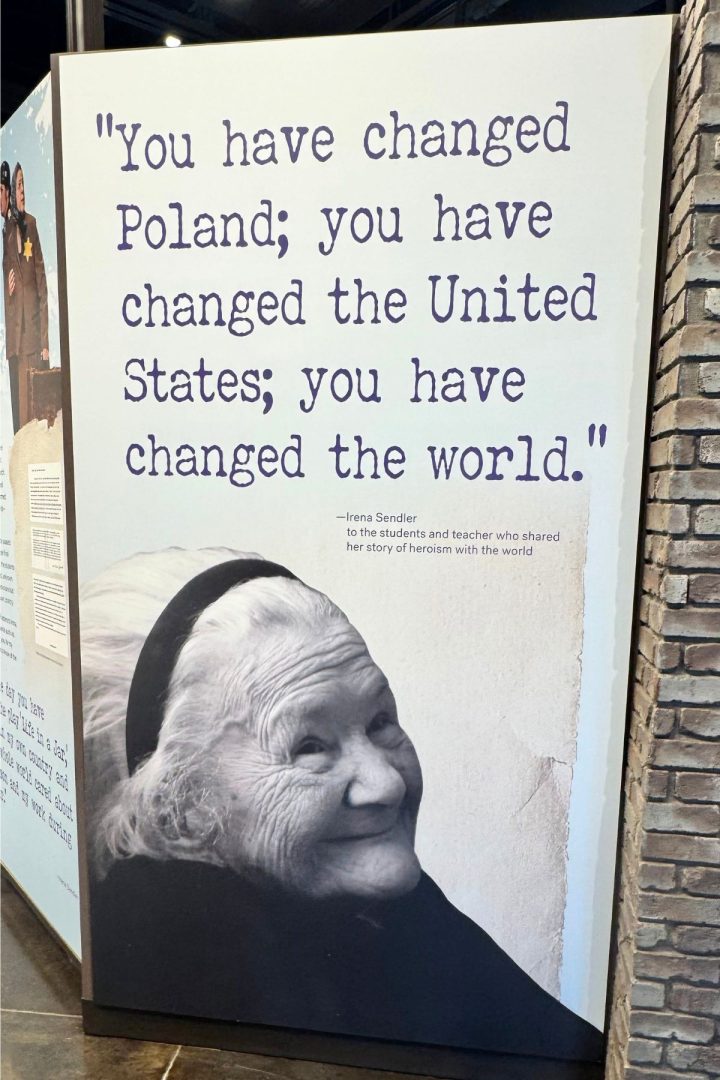
That student project became a book, a Hallmark Hall of Fame film, a national educational program, and eventually this museum.
I went in knowing nothing about it. I walked out genuinely moved in a way I wasn’t expecting.
Admission is free. Allow at least an hour. Don’t skip it.
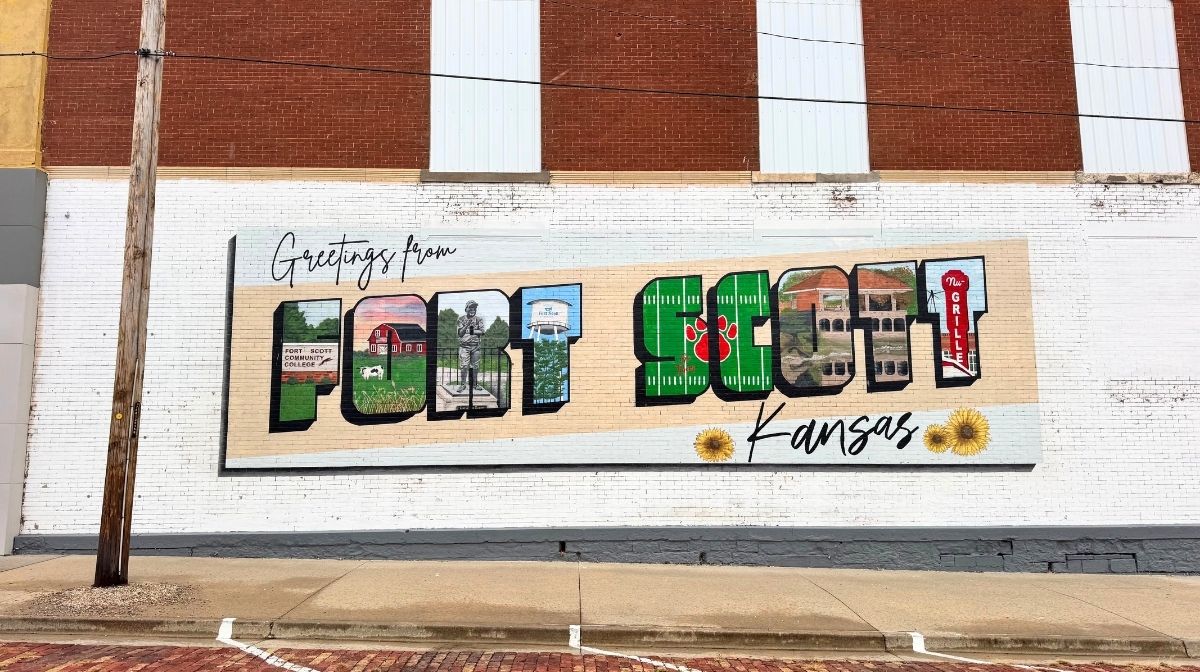
The Fort Scott Trolley Tour is one of the best ways to get the full story of this city in a short amount of time – entertaining, well-informed, genuinely fun.
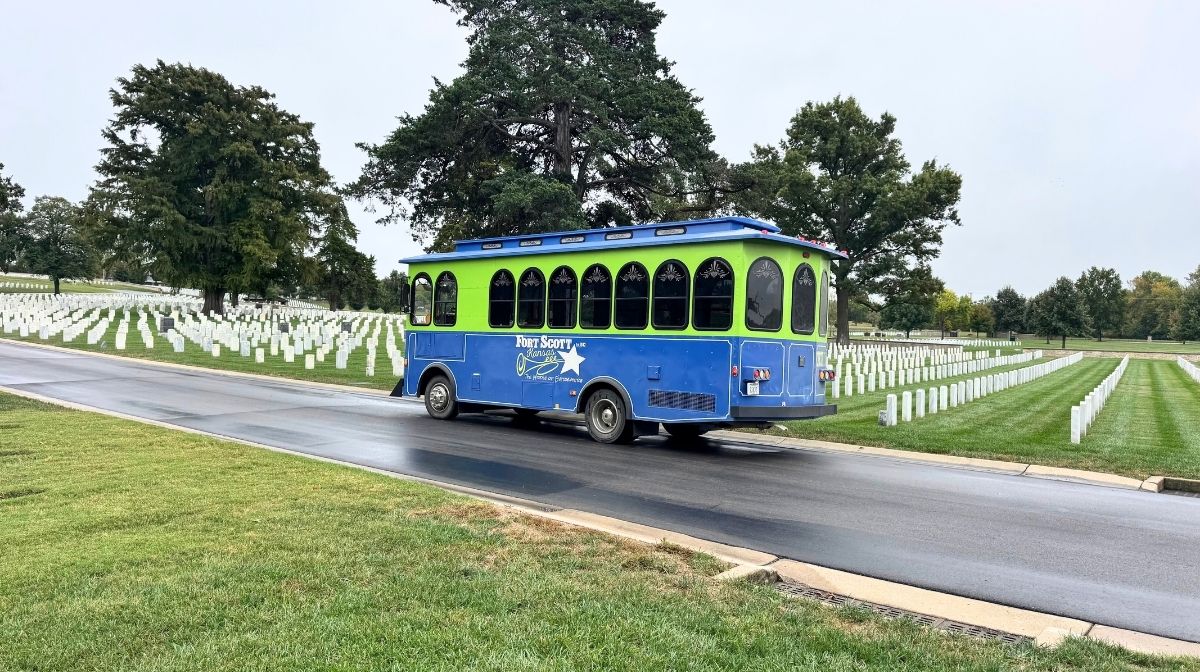
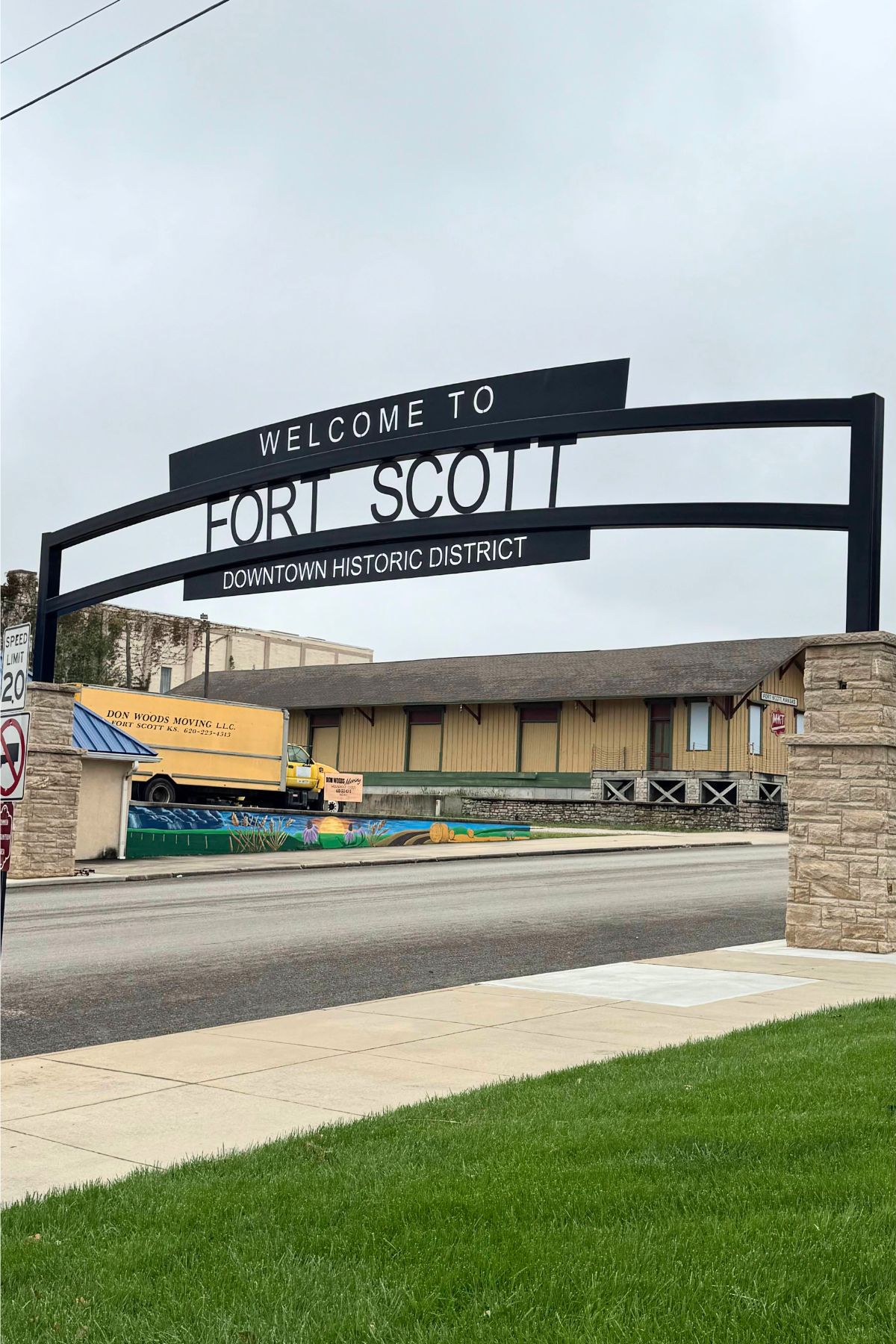
Unfortunately, Fort Scott was closed because of the government shutdown while we were visiting, so that means we will have to go back again.
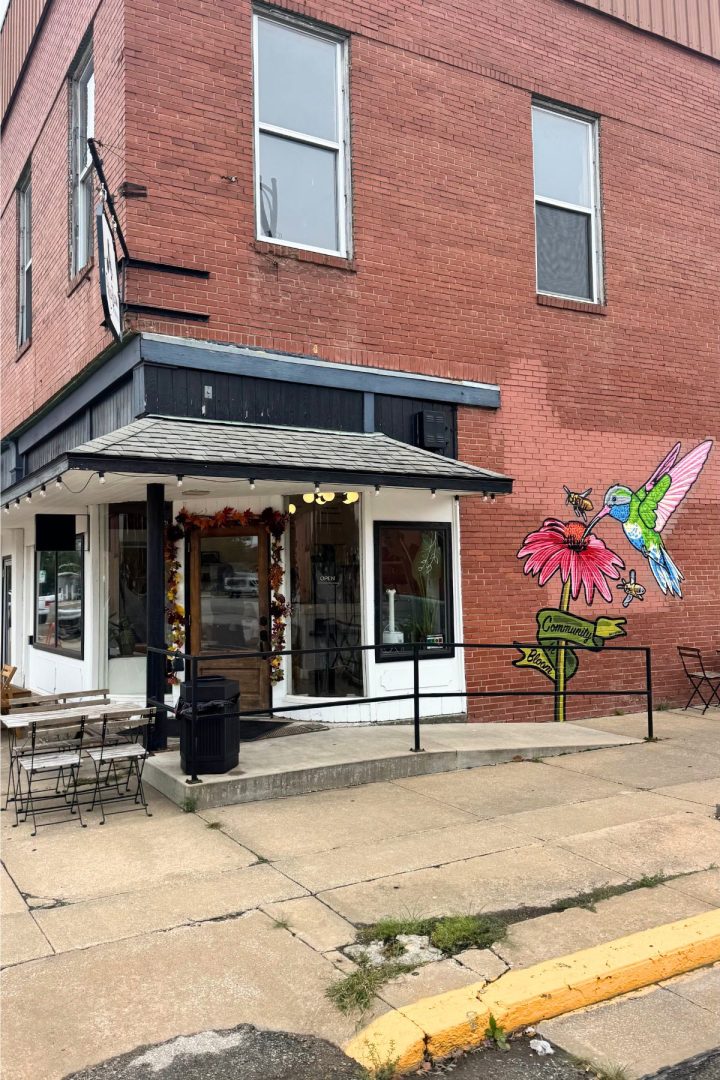
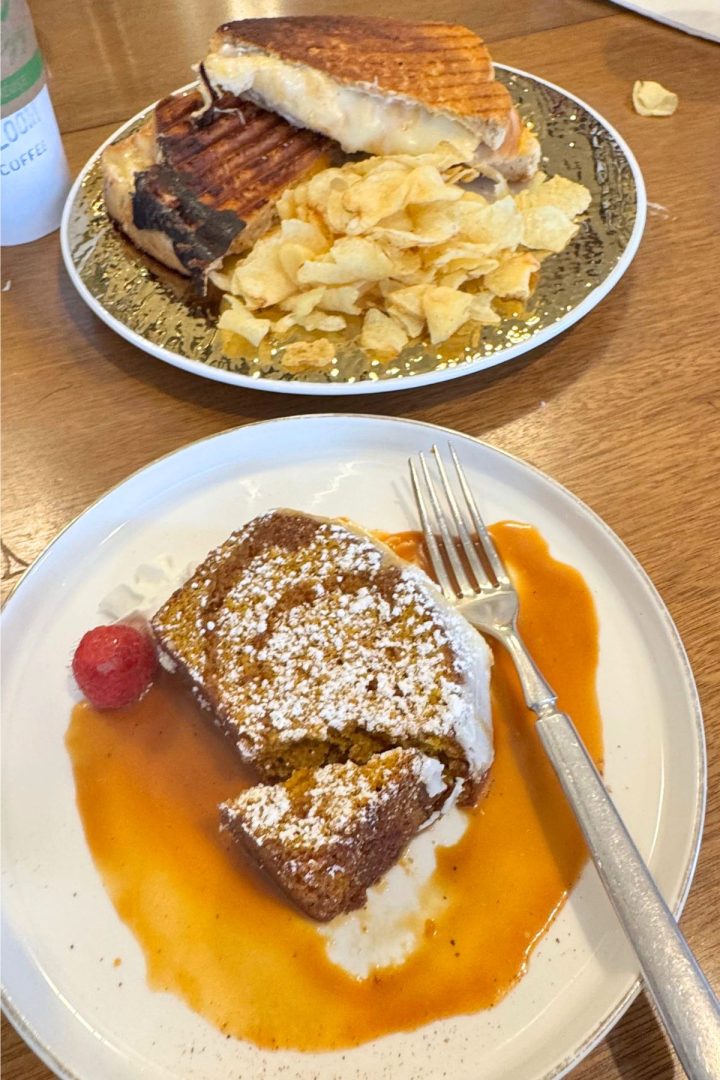
Lunch at Wild Bloom afterward is the perfect cap.
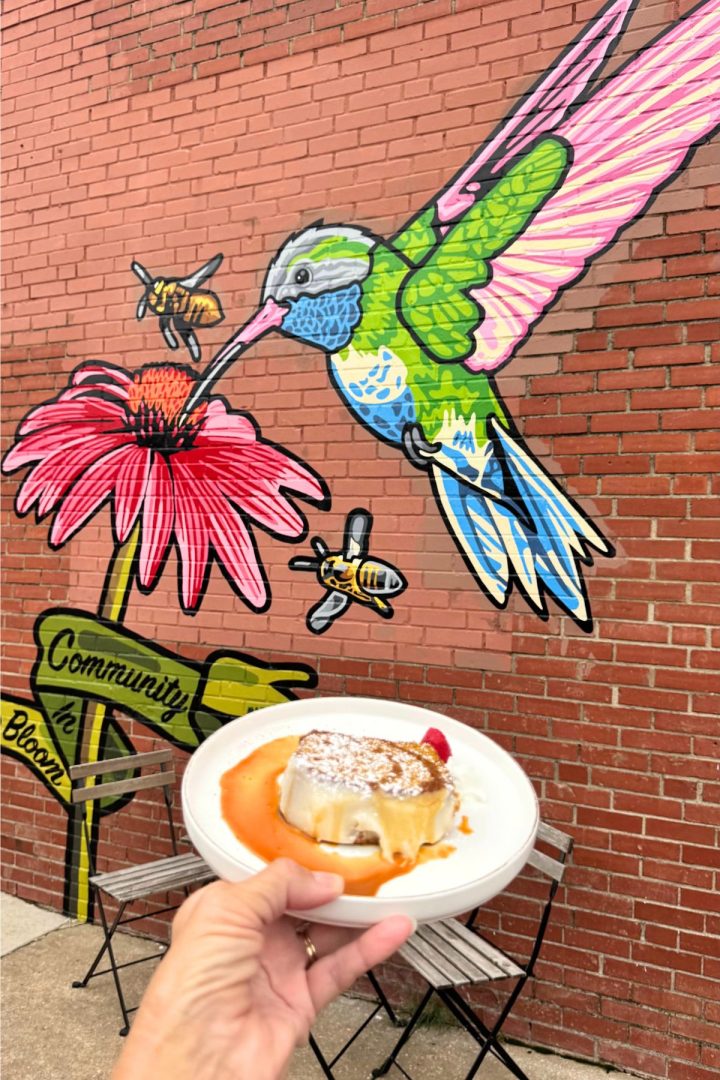
Is Humboldt, Kansas Worth Stopping For?
Yes, Humboldt is a small town that punches well above its weight, and it’s also quietly one of the most important towns in the country if you tow anything.
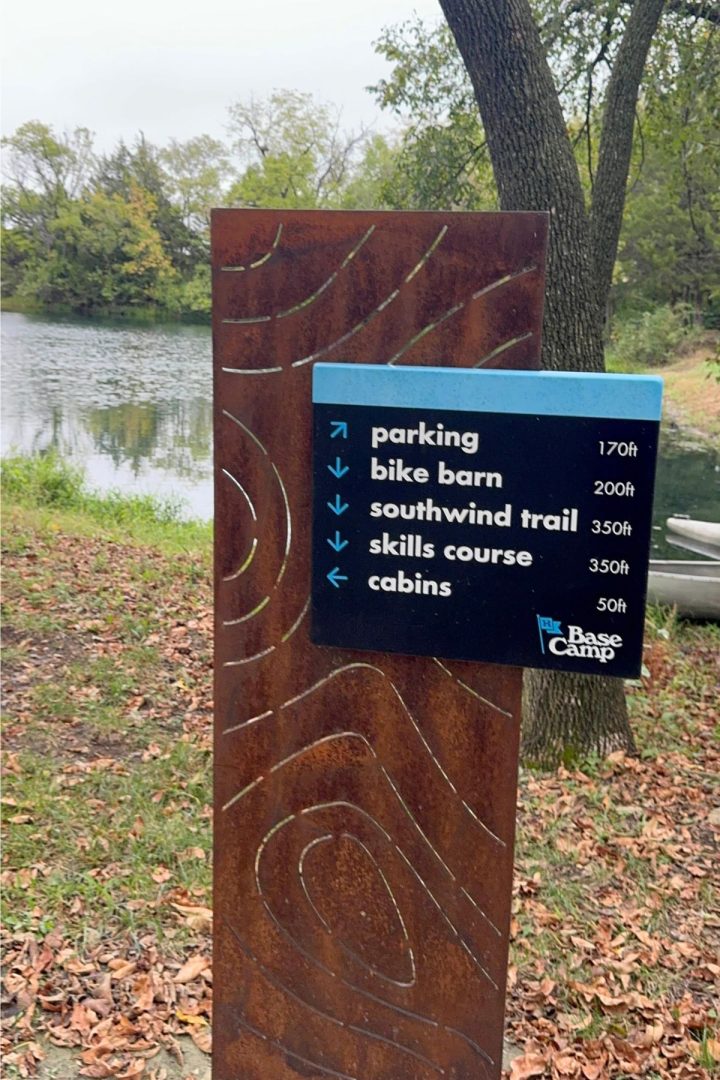
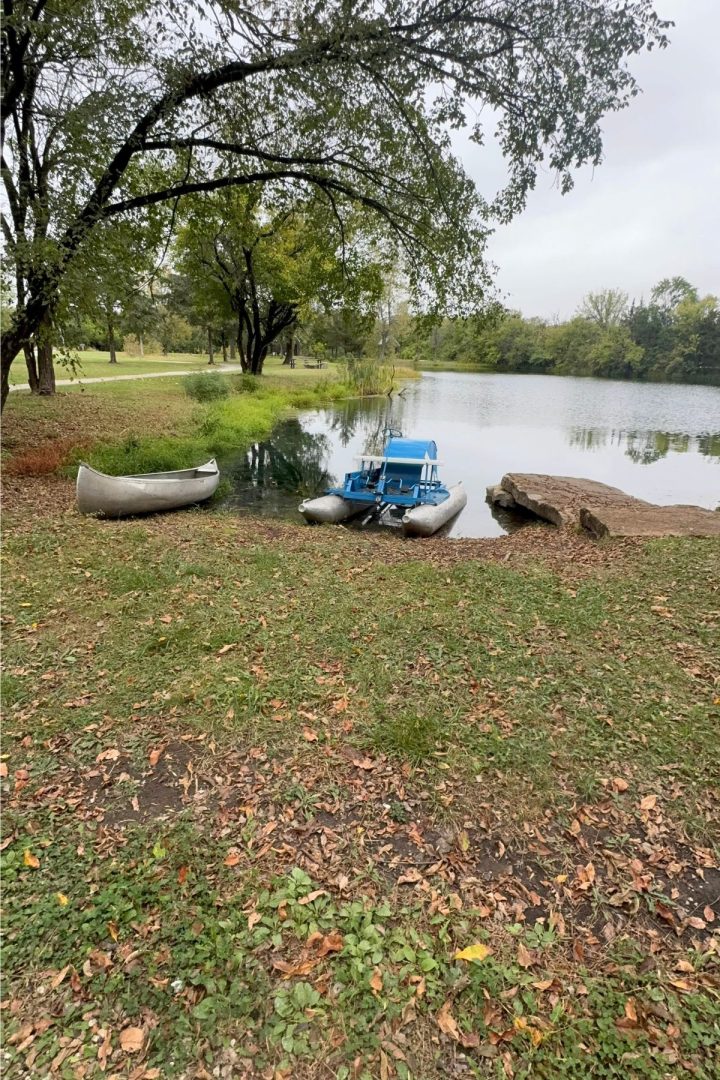
Settle in at BaseCamp Humboldt first. It’s an RV park built for slowing down, wide-open space, evenings made for the fire pit, and an easy base for wandering downtown the next morning.
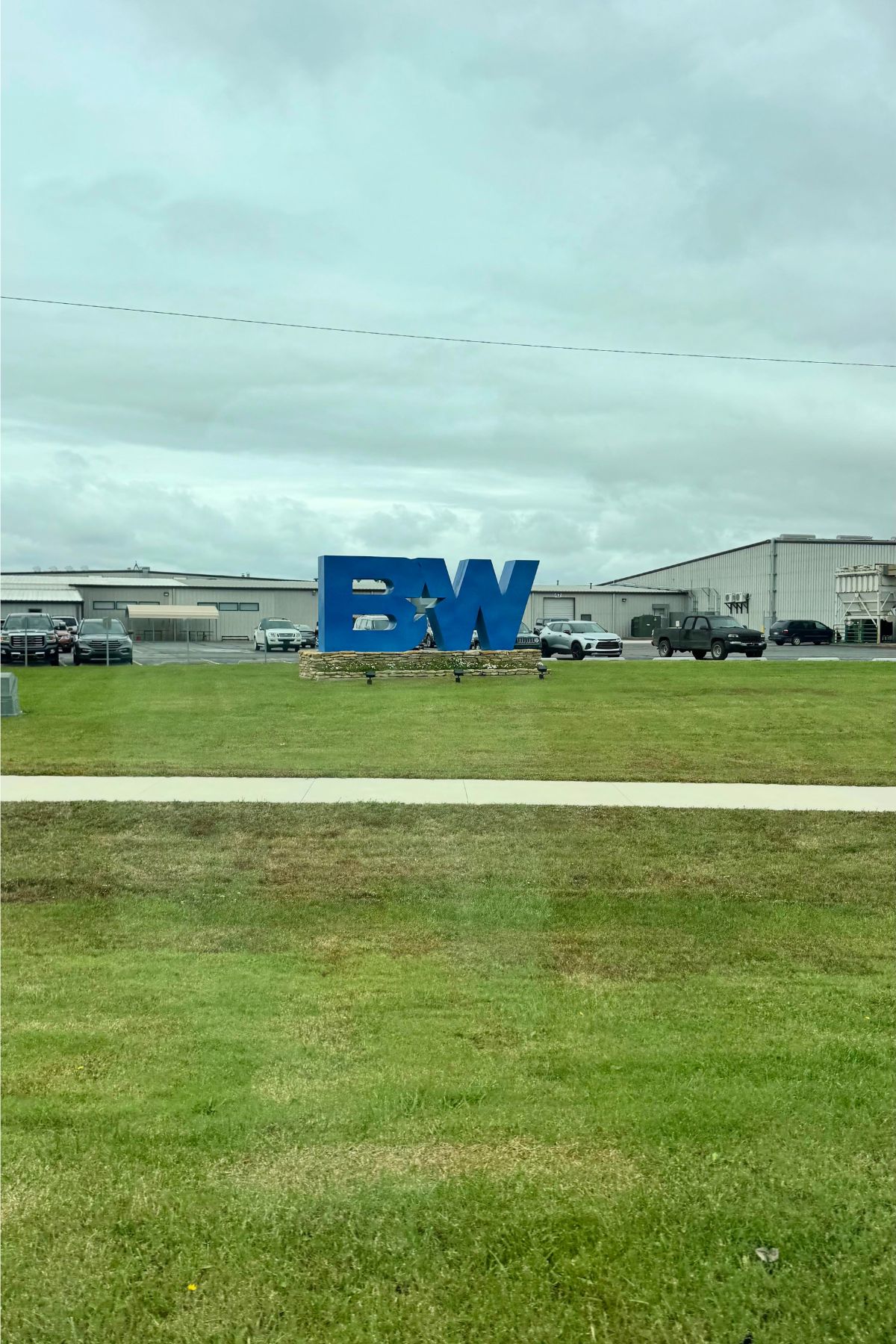
Humboldt is home to B&W Trailer Hitches, one of the best-known names in towing equipment in the country. We ran a B&W hitch for years back when we had our fifth wheels, and it never gave us a reason to think twice about it.
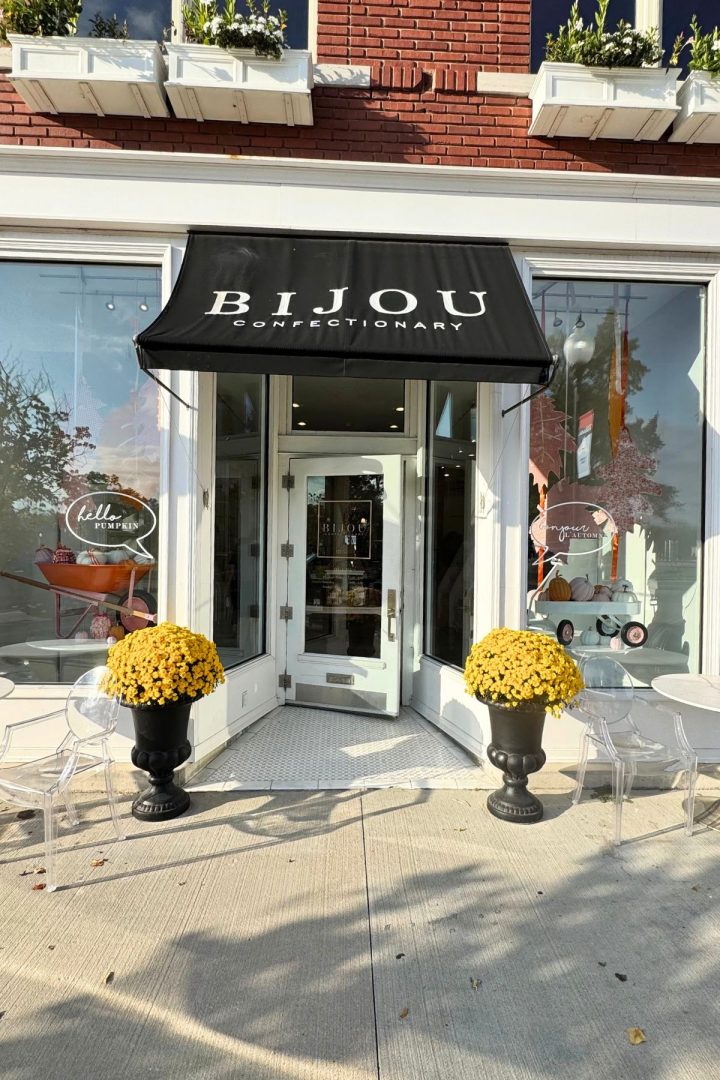
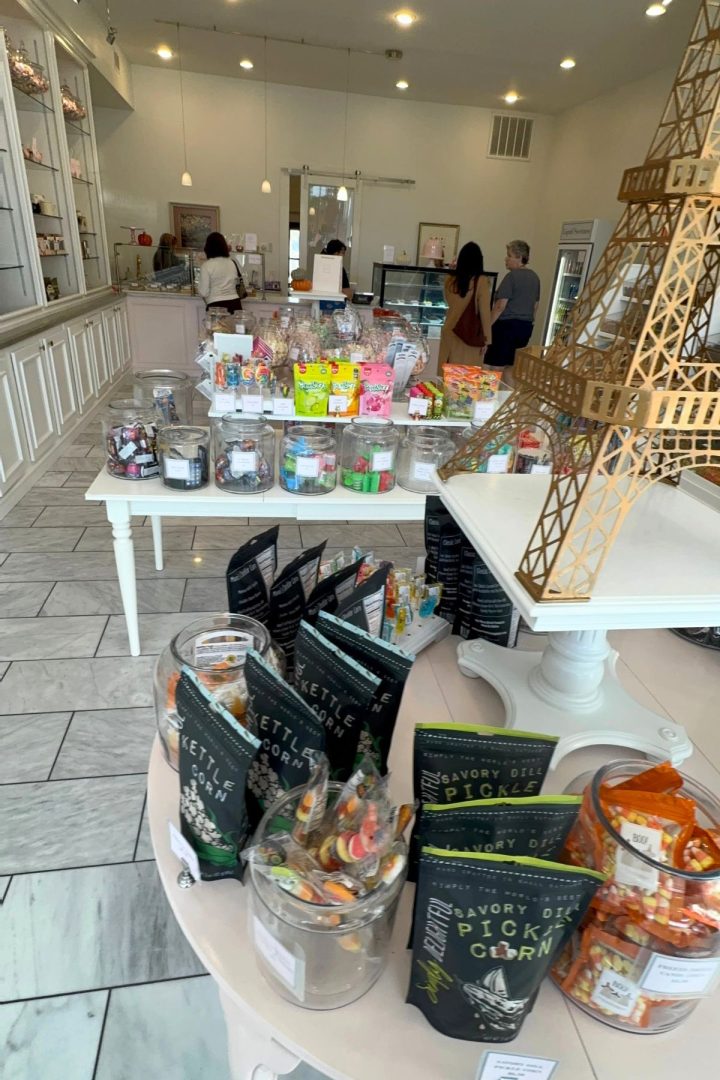
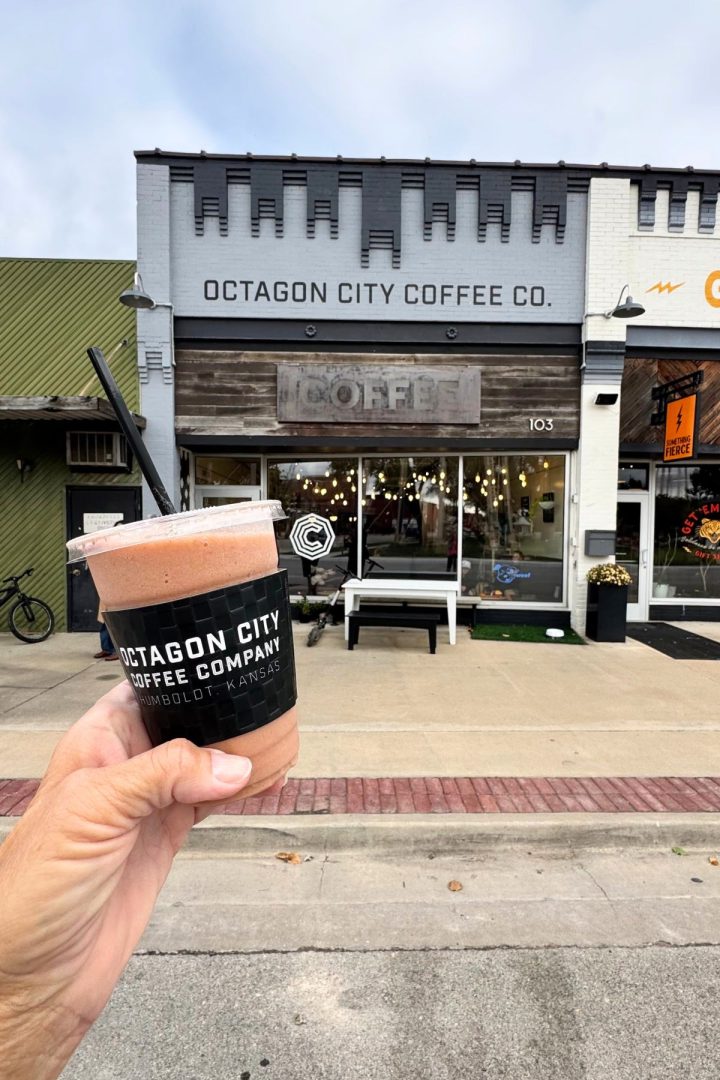
Then wander downtown: Bijou Confectionary for something sweet, Neosho Valley Woodworks for handcrafted goods worth bringing home, Octagon City Coffee for an afternoon recharge.
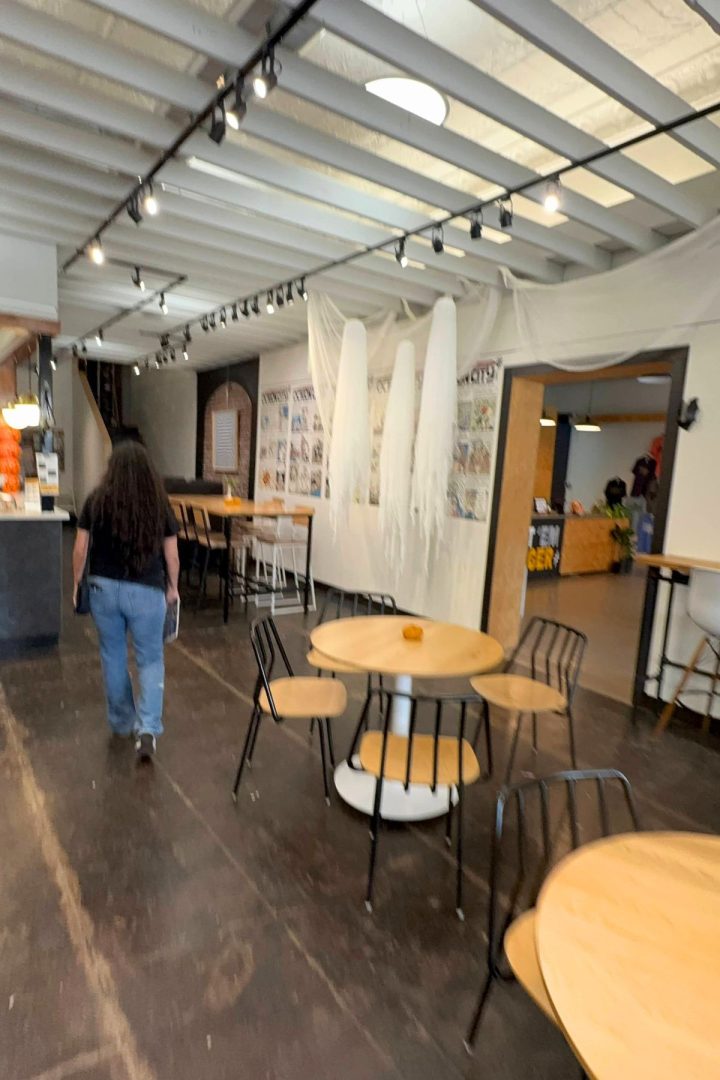
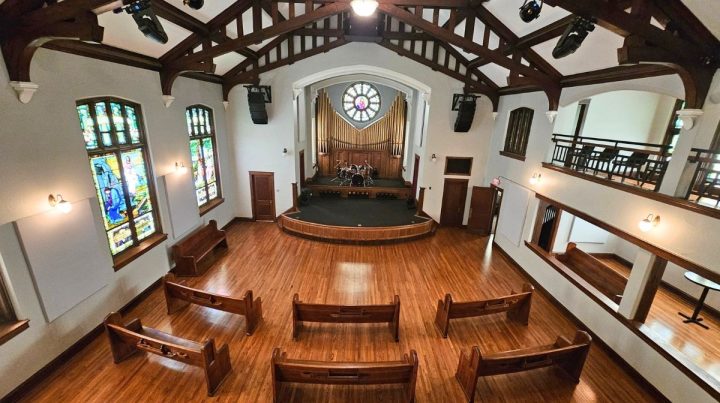
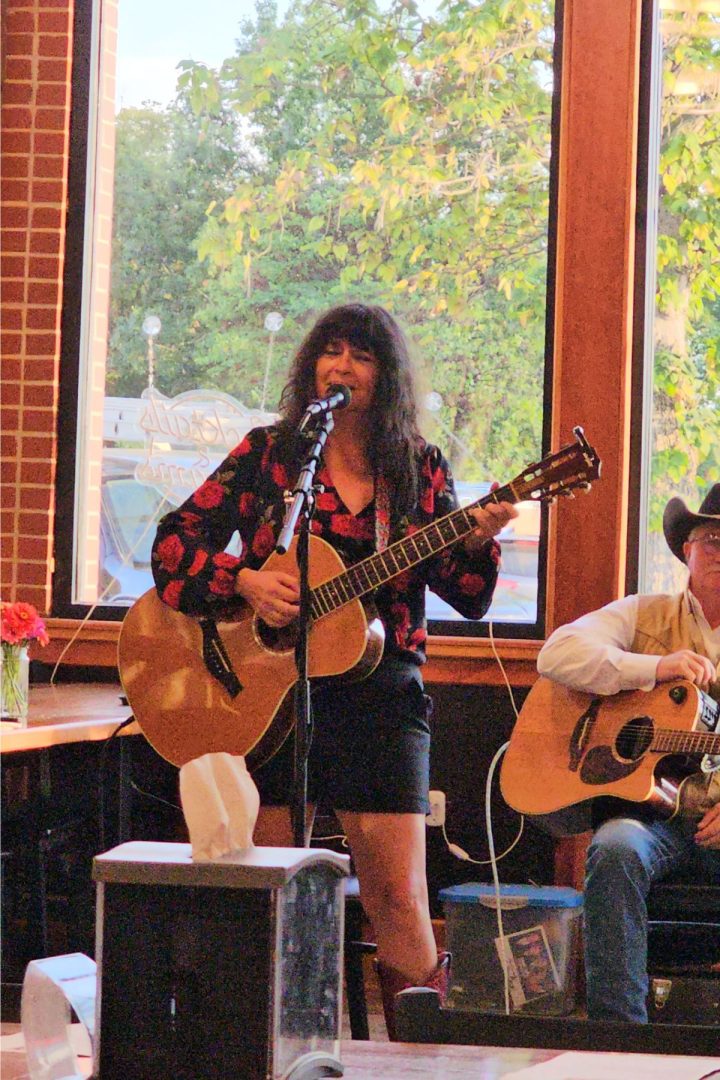
The Revival Music Hall, one of those small-town live music venues that reminds you why people fight to keep downtowns alive.
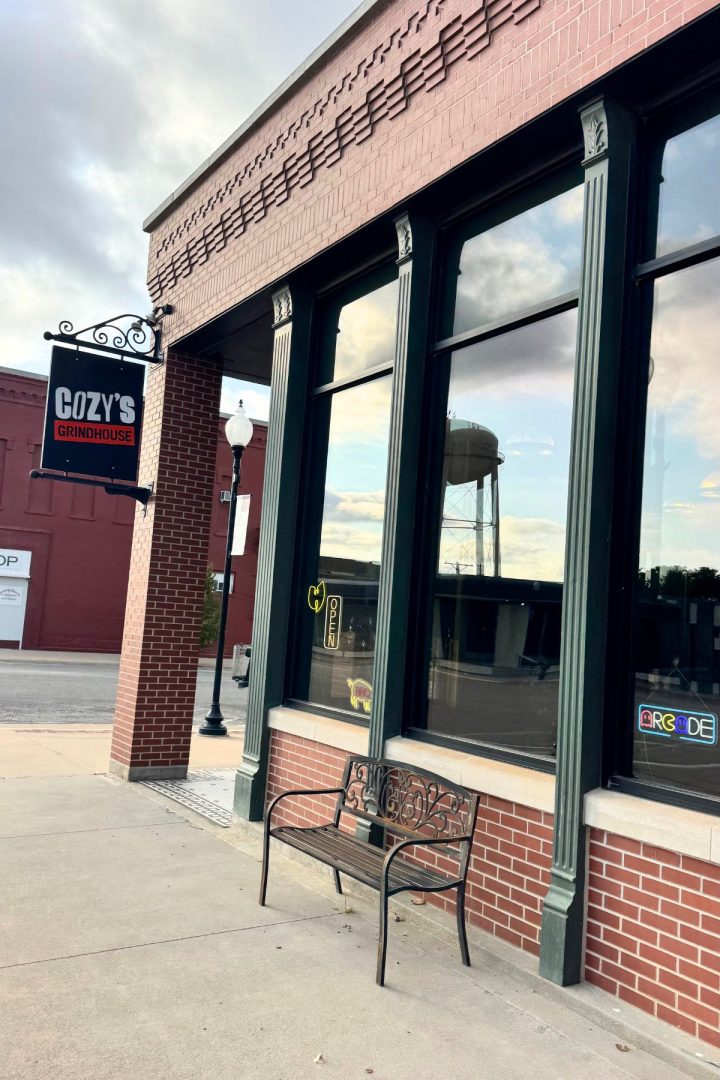
End the evening at Cozy’s for dinner and live music. This is the kind of night that makes a trip. The kind you couldn’t have planned but wouldn’t trade.
The Hidden Gem in Howard, Kansas That People Drive Three Hours For
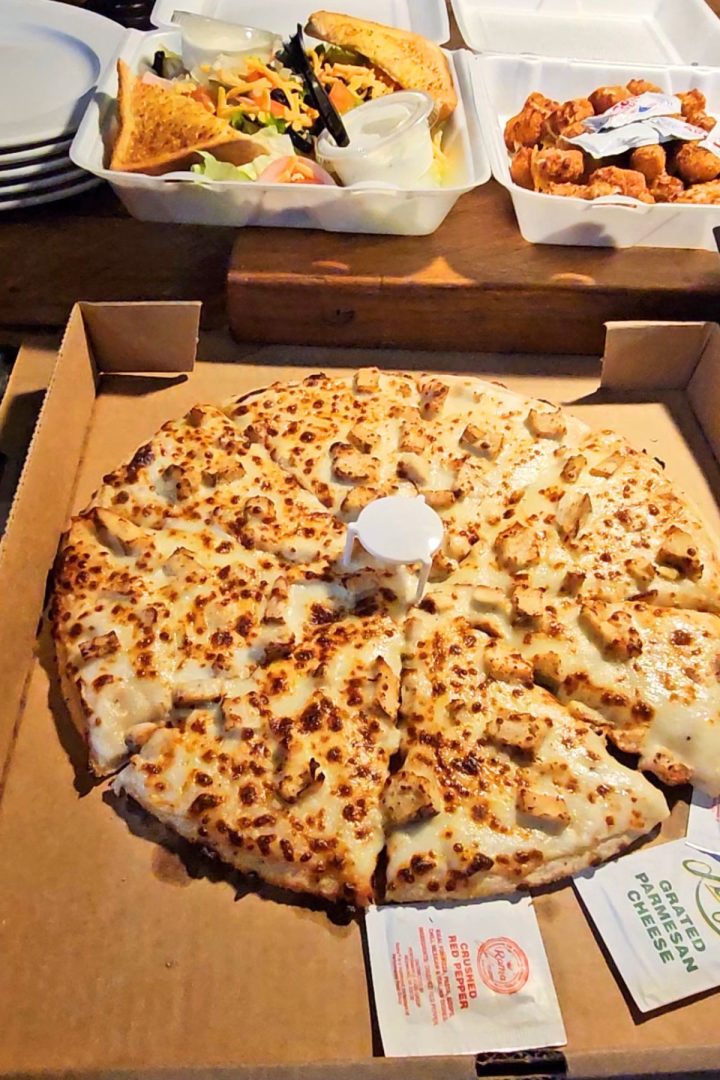
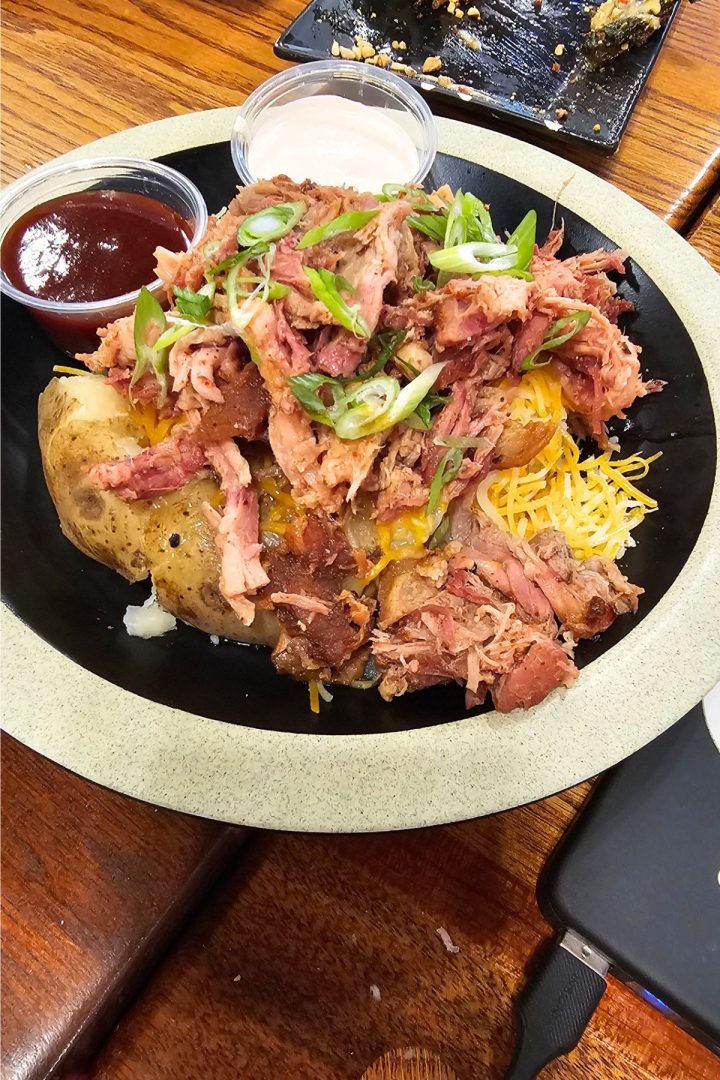
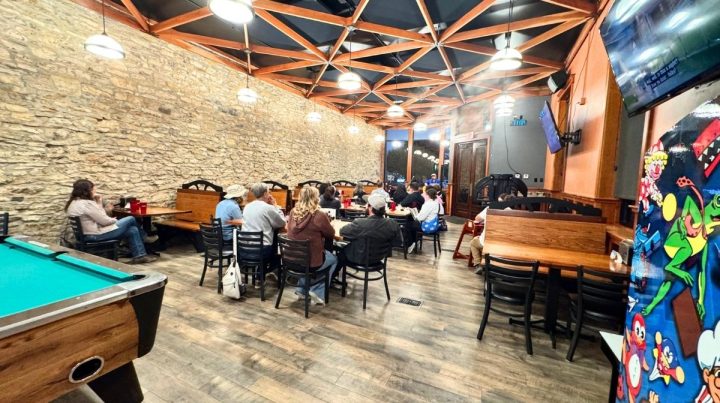
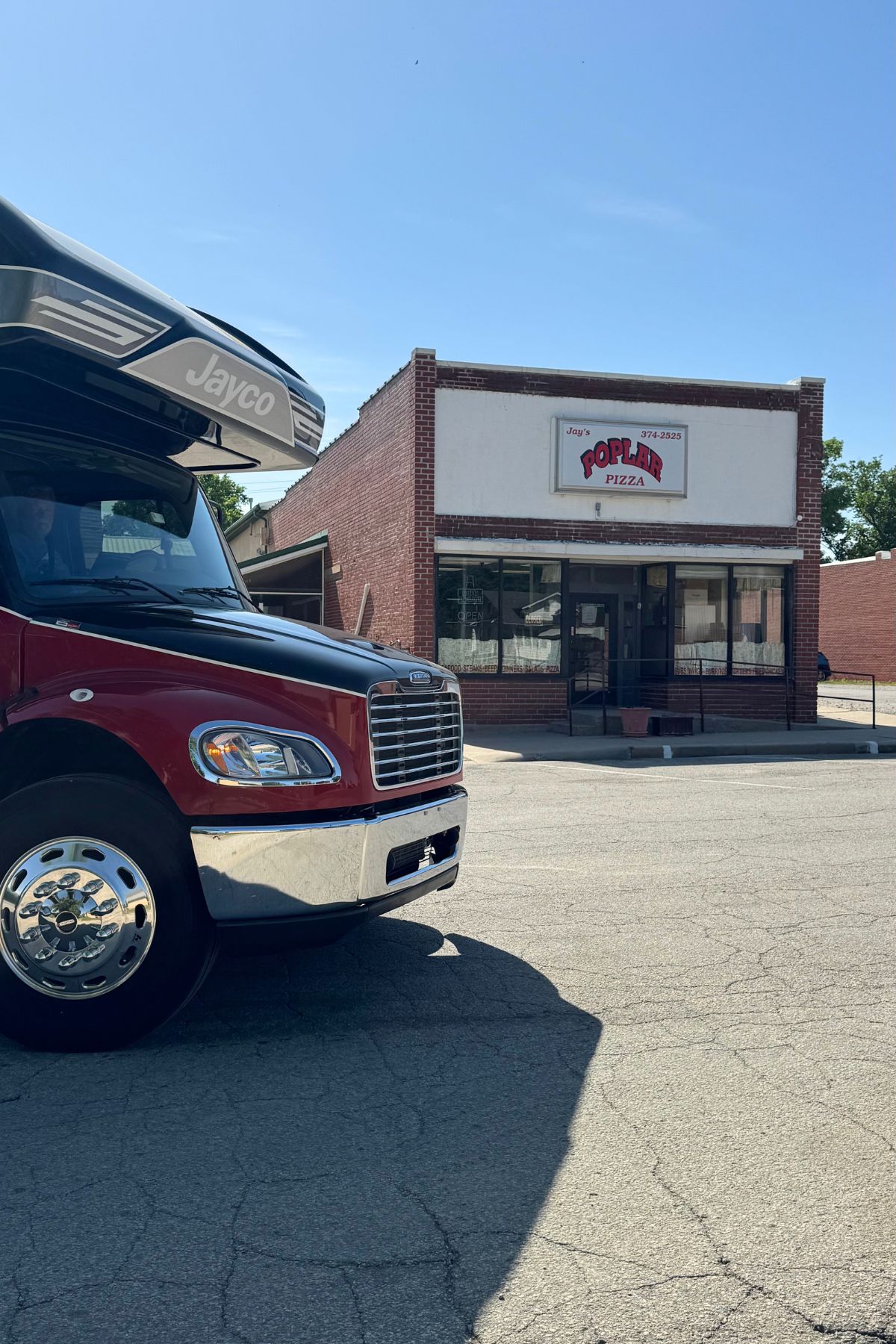
Here’s something you won’t find in any other travel guide: my son has lived in Howard, Kansas for 18 years, and Howard has a pizza place called Poplar Pizza that is quietly one of the most remarkable food experiences in all of Southeast Kansas.
The Buffalo, New York-style chicken wings are the real deal, the kind that make you wonder how a small town in the Kansas prairie figured out what most big-city restaurants never do.
The pizza is excellent. But neither of those is the reason people come from three hours away.
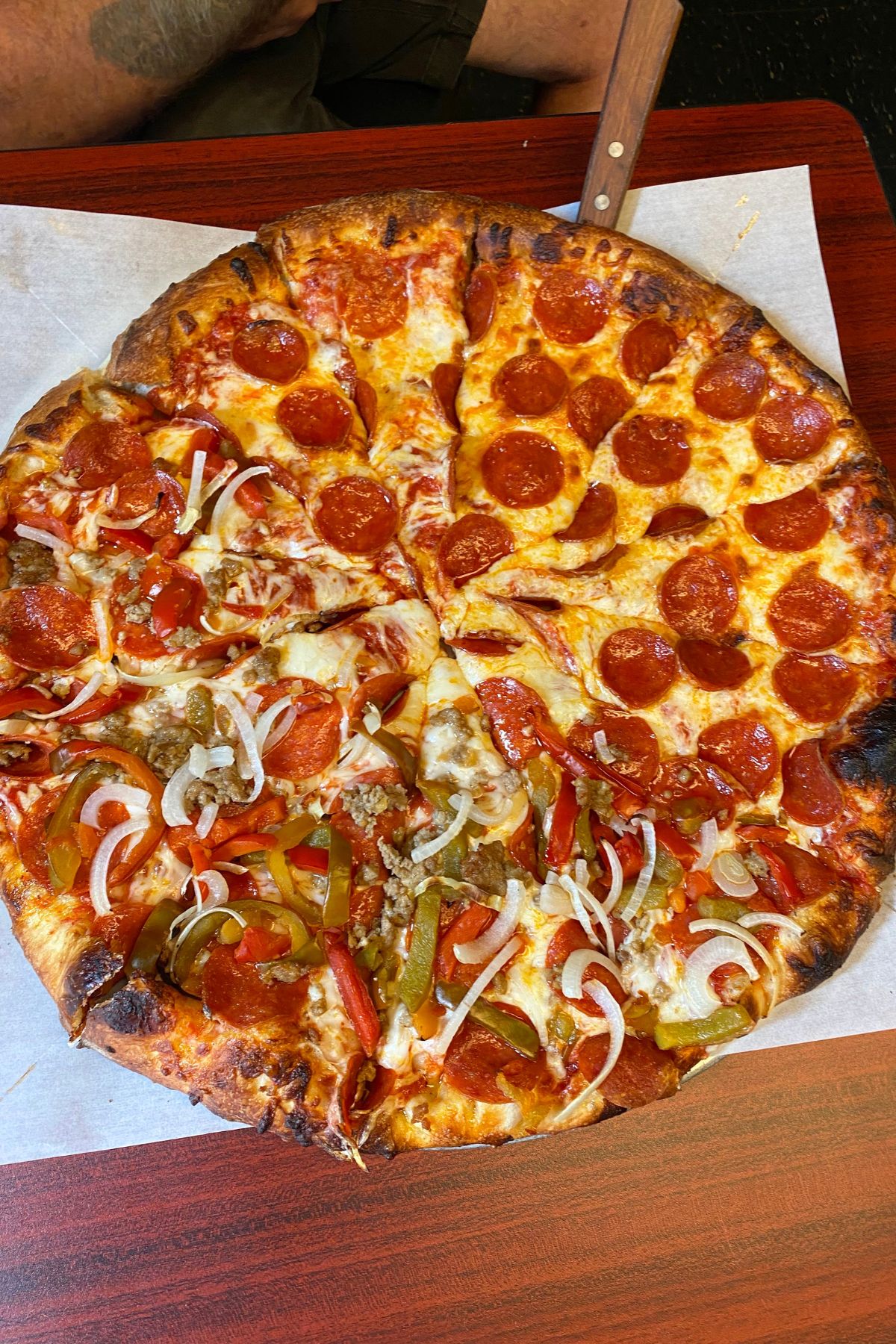
Once a month, Poplar Pizza does a seafood boil. And when I say people come from three hours away, I mean Kansas City-level serious; the line wraps around the building. Get there early. This is not an exaggeration.
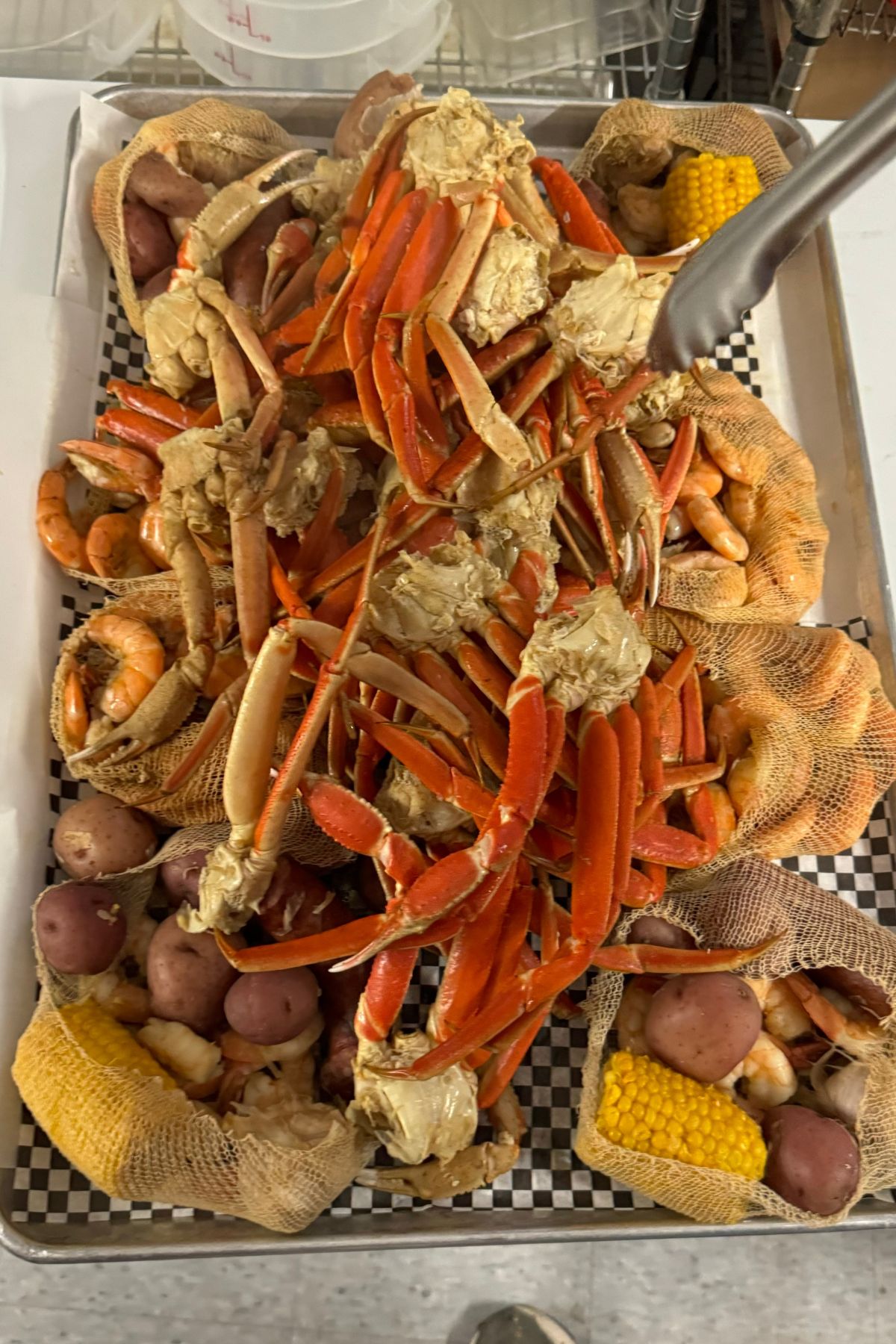
If you’re planning your Southeast Kansas itinerary and you can time it around the monthly seafood boil, do it. Check their schedule in advance on their Facebook Page, build your route around the date, because it is absolutely worth it.
🚐 RV Parking: There are several RV parking spots in Howard, making it a genuine destination stop, not just a meal. Howard is in Elk County, about 60 minutes from Wichita and easy to work into any Southeast Kansas route.
What Makes Emporia, Kansas Worth an RV Stop?
Emporia was the biggest surprise of the whole trip, and I wasn’t expecting much.
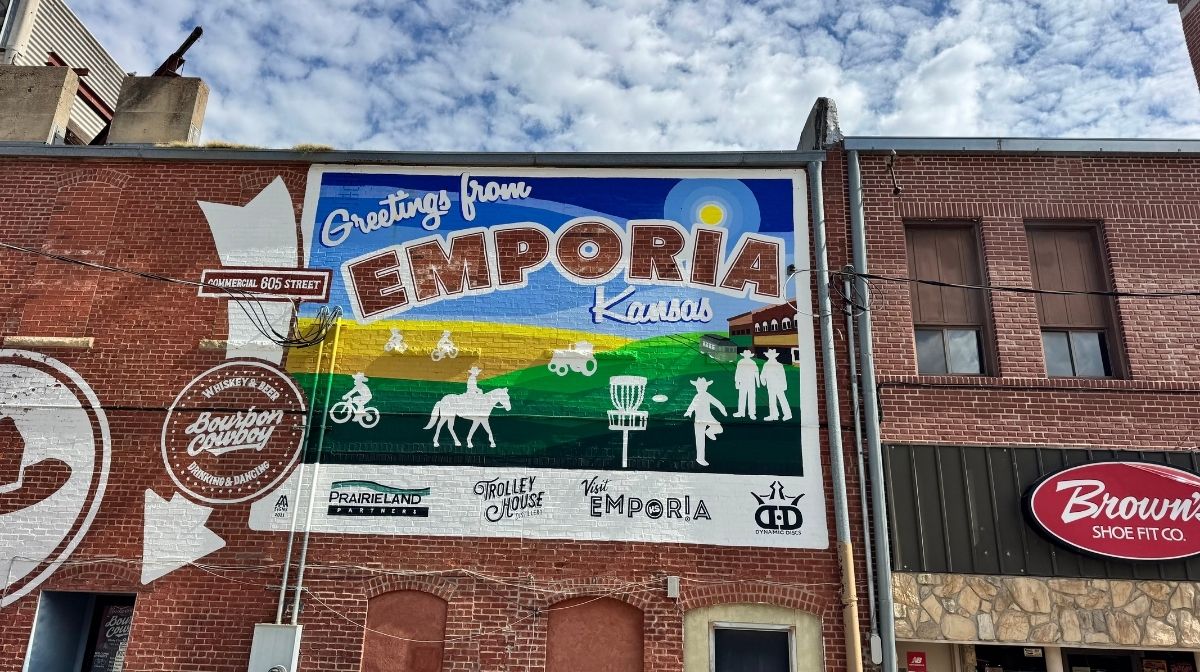
Breakfast from Honeybee Bruncherie set the tone: locally sourced, genuinely excellent, the kind of meal you think about for days.
Lunch at BobbyD’s Merchant Street BBQ is exactly what it sounds like and exactly what you want.
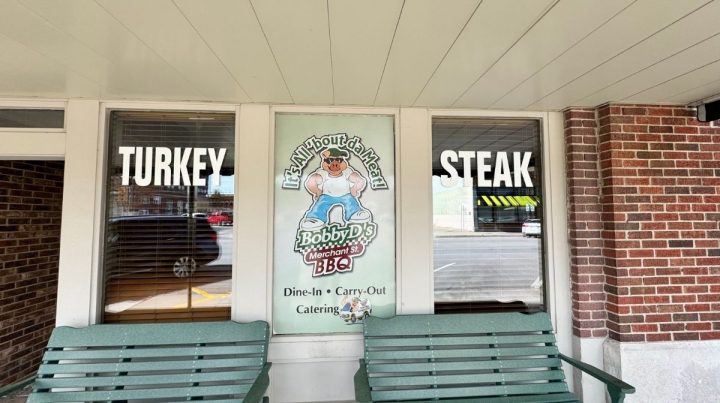
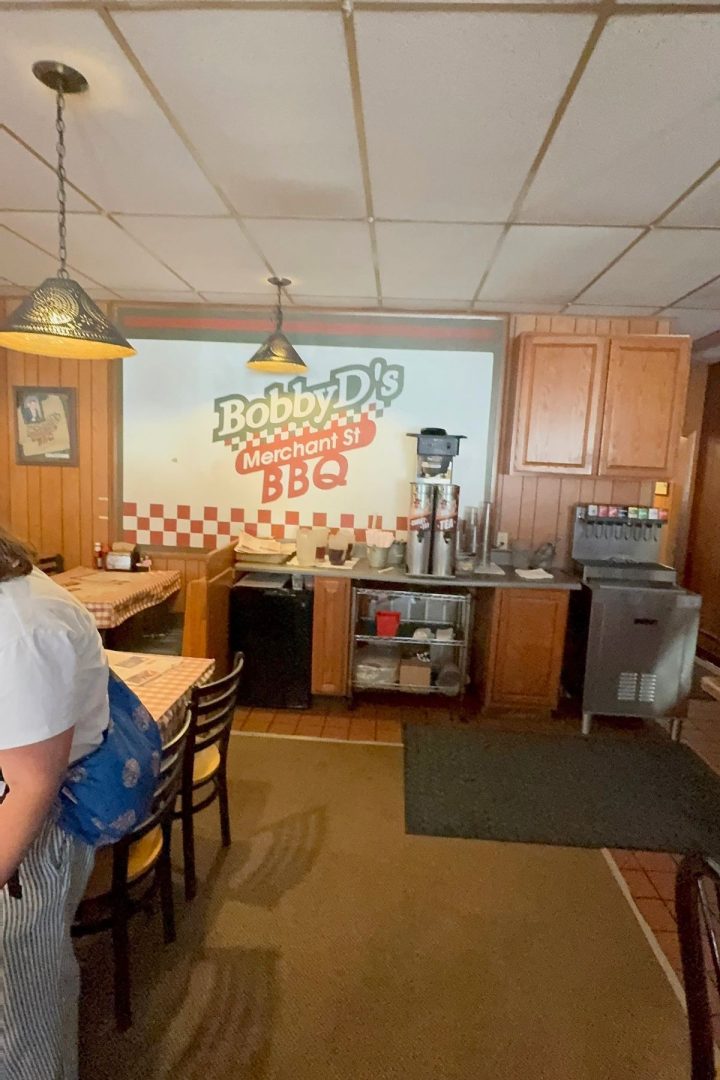
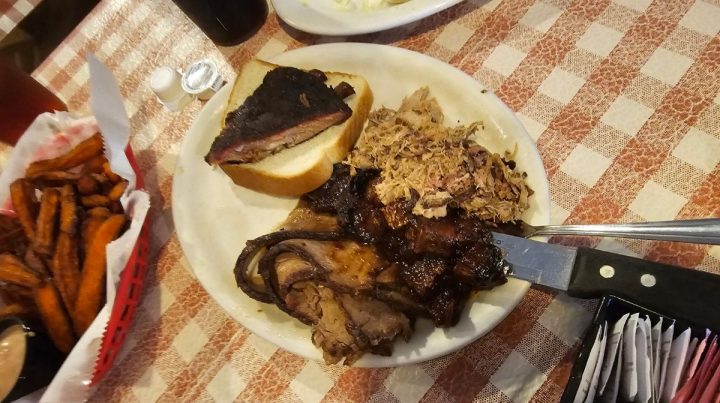
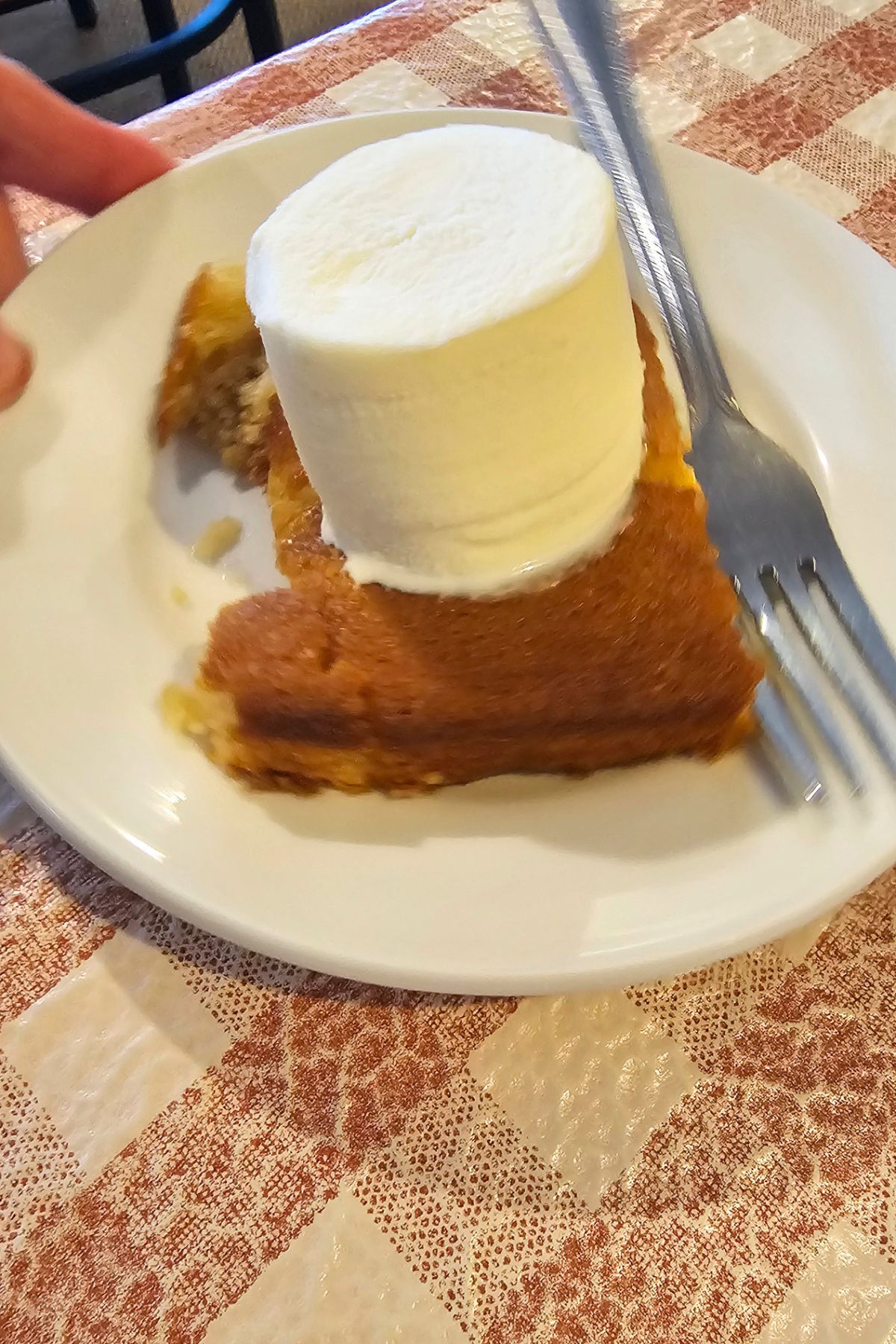
Downtown has great walkable energy, independent shops, local businesses, the kind of main street you want to wander without a plan.
Champions Landing and Disc Golf Course is a legitimate destination. Emporia has become one of the most respected disc golf cities in the country, and Champions Landing is a beautiful course with views over the Flint Hills.
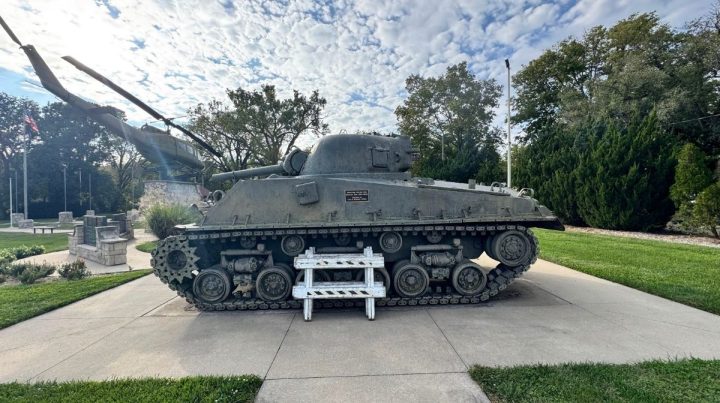
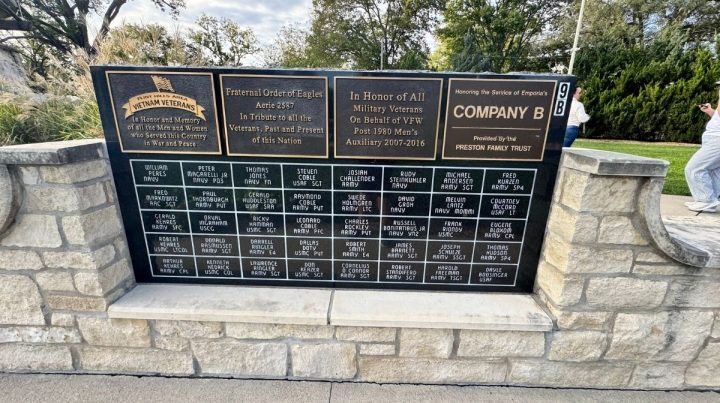
The All Veterans Memorial is one of the most thoughtfully designed memorials I’ve encountered anywhere in 40+ states. Free. Moving. Worth every minute.
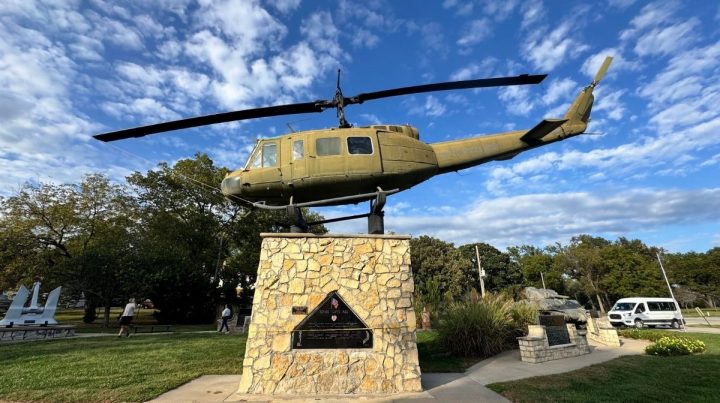
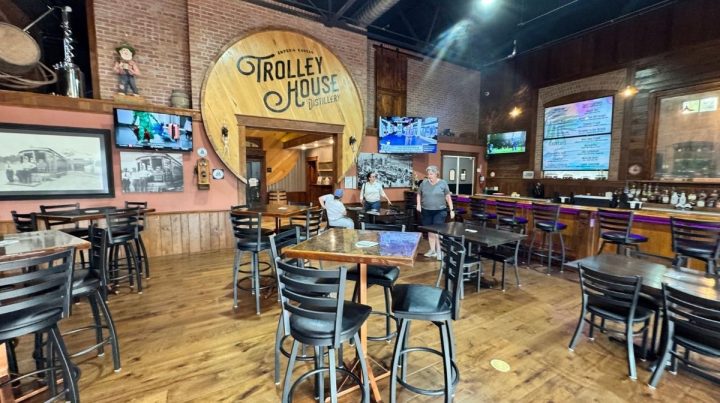
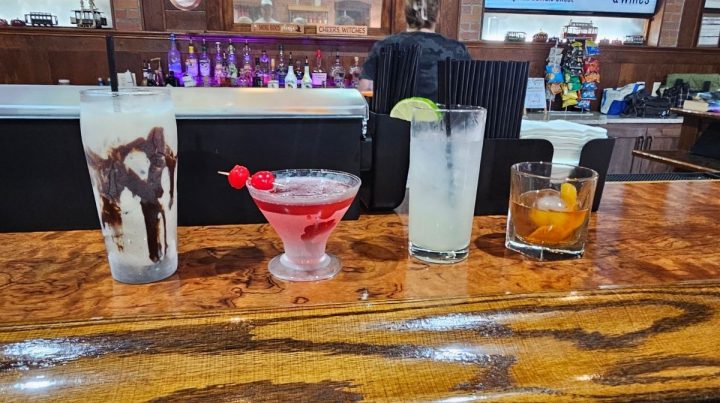
End the day at Trolley House Distillery, housed in a beautifully restored historic building.
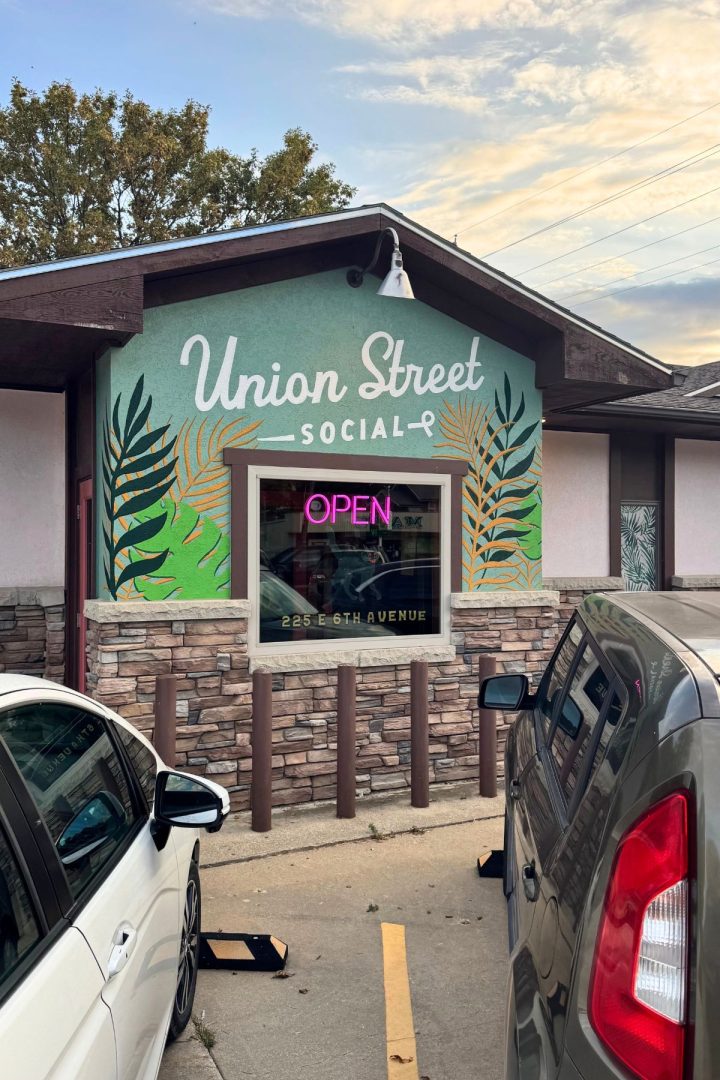
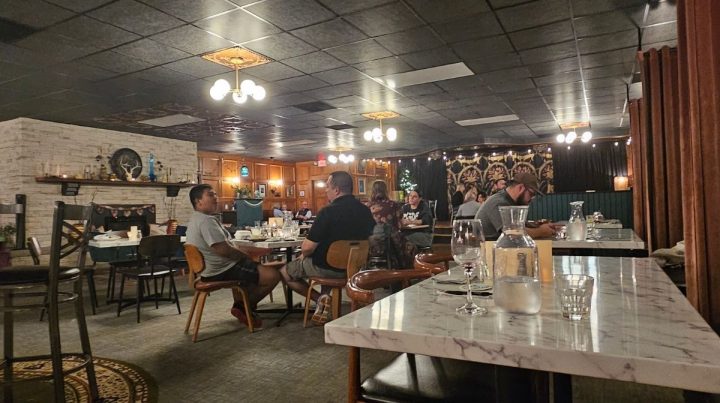
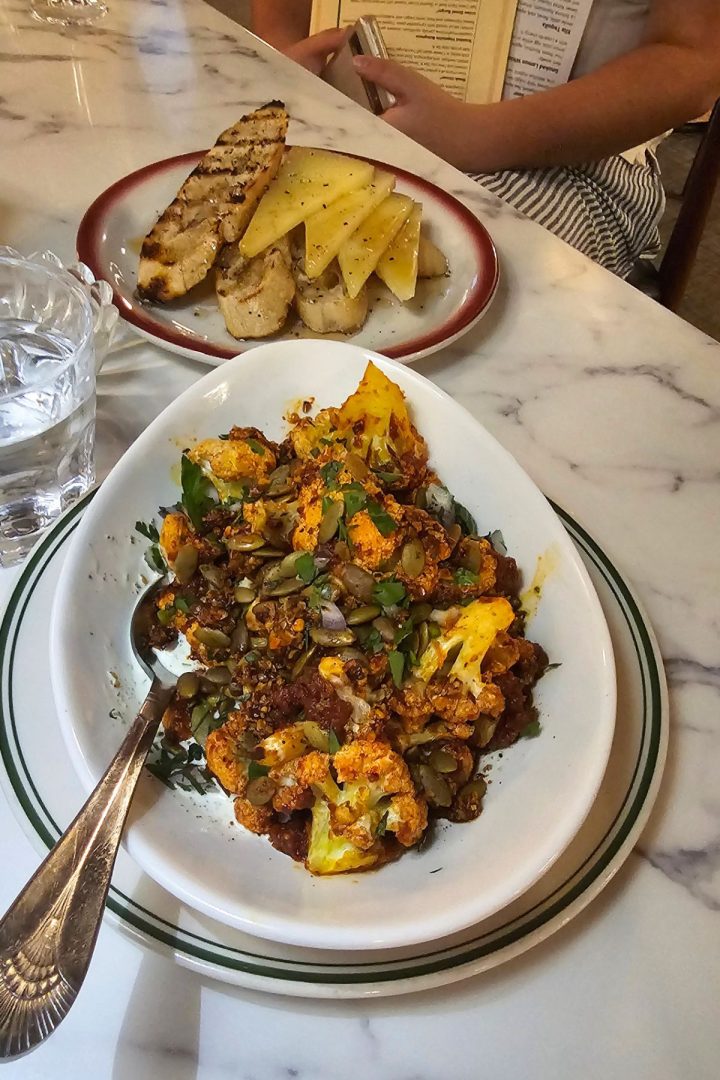
Then dinner at Union Street Social, farm-to-table and genuinely excellent.
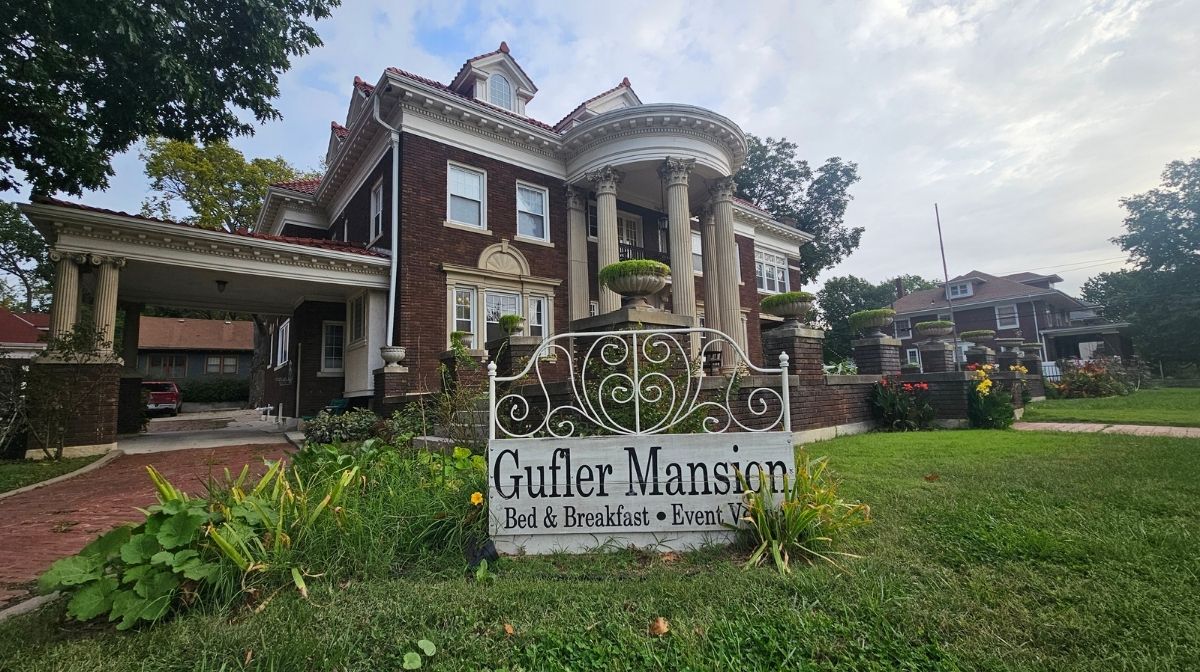
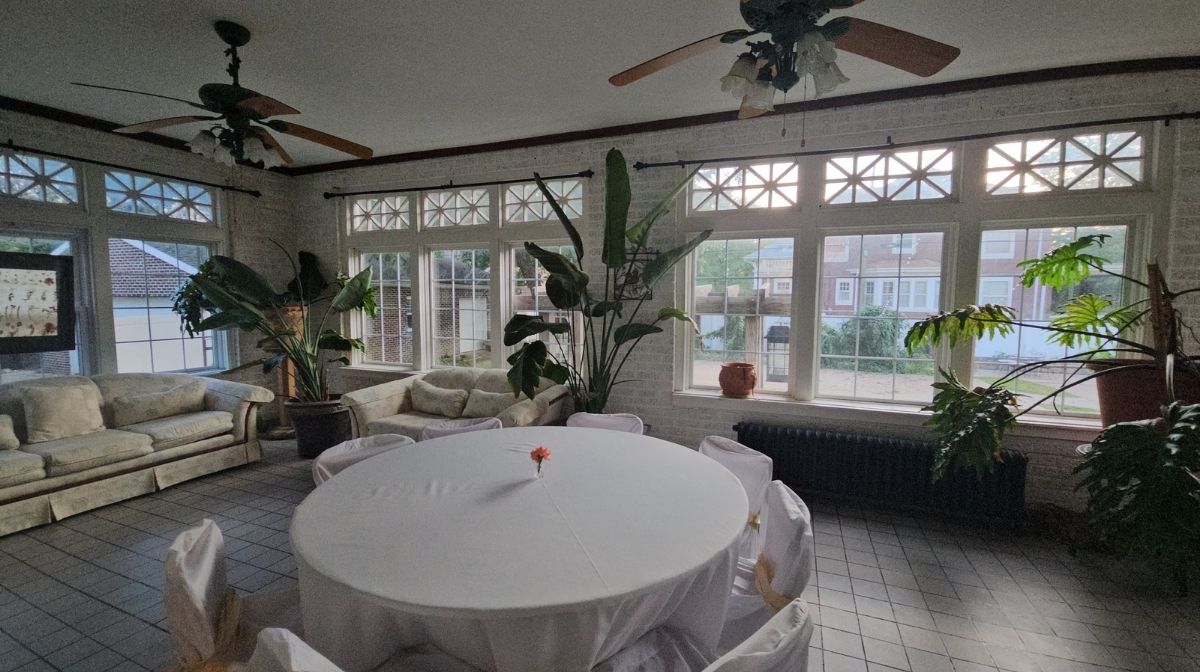
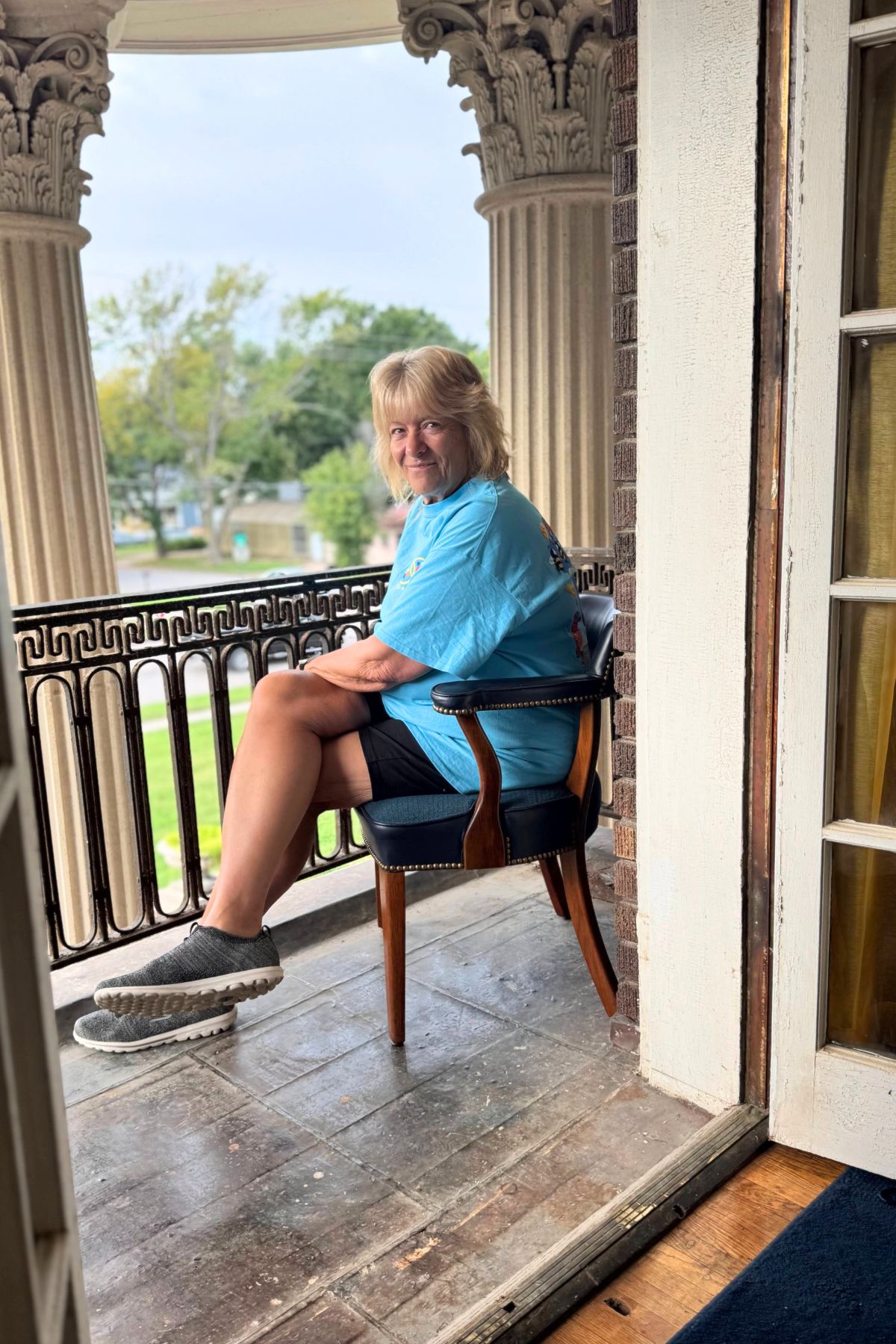
Stay at the Gufler Mansion B&B if you can get in. It’s special in the way that only places with real history and real care are special.
What Are the Best RV Tips for Visiting Southeast Kansas?
Where to park: Chanute is the best central base. It puts you within easy reach of every stop in this guide. Pittsburg works well if you want to be closer to Route 66 and Big Brutus. Wichita has more options if you prefer a larger-city anchor. If you want to sleep near the shovel itself, the RV park at Big Brutus is a fun, no-frills option too.

Getting around: Park the rig and explore by car. Distances between towns are manageable, 20 to 45 minutes between most stops, and a car gives you flexibility the Super C doesn’t always allow in small-town Kansas.
Best time to visit: Fall is the sweet spot. October specifically, the weather, the light, and the foliage are all working in your favor. Spring works well too. Summer gets hot fast in the southern Plains.
Gas: Fill up before heading to Big Brutus. Rural Kansas means rural gas station access. Plan accordingly.
How many days: Four days gives you a comfortable pace. Three is doable but rushed. Five lets you breathe.
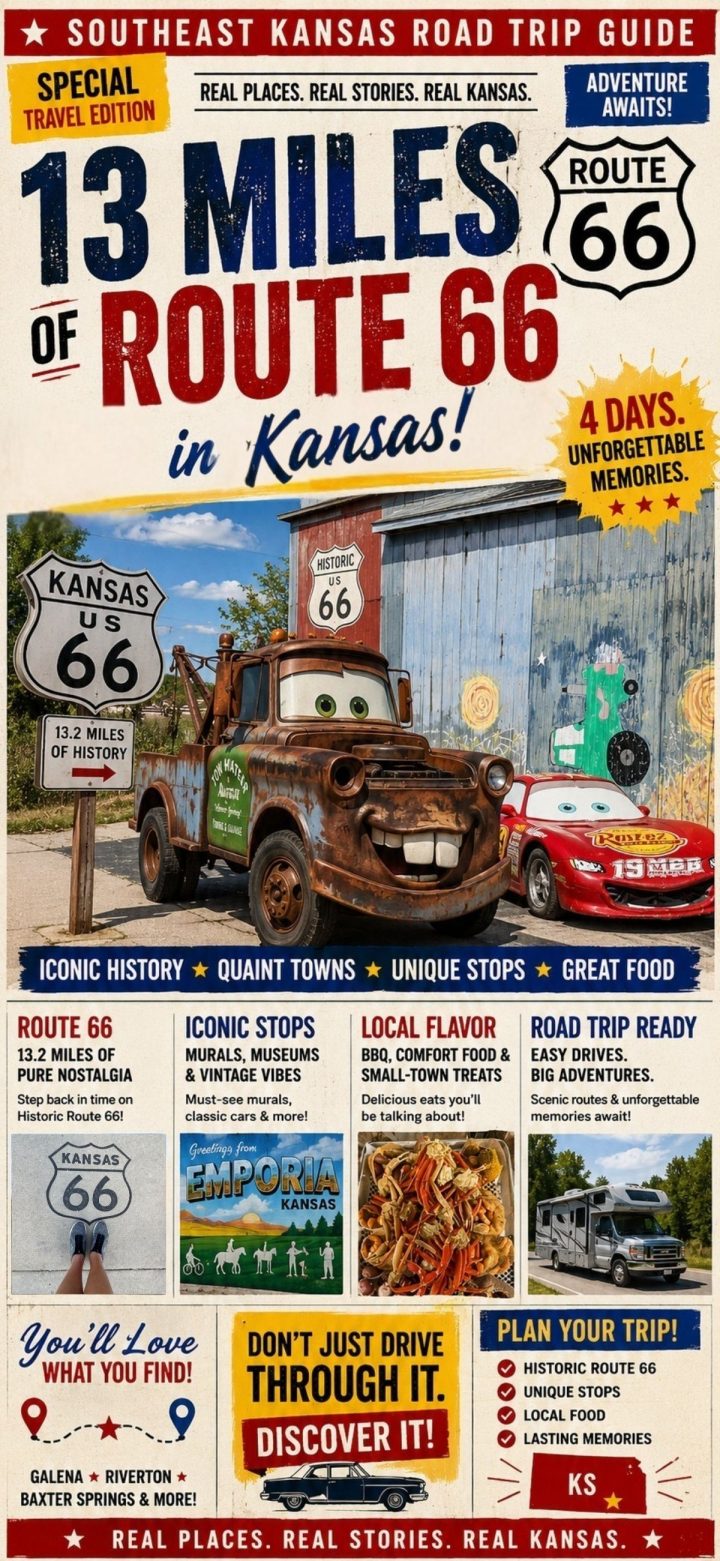
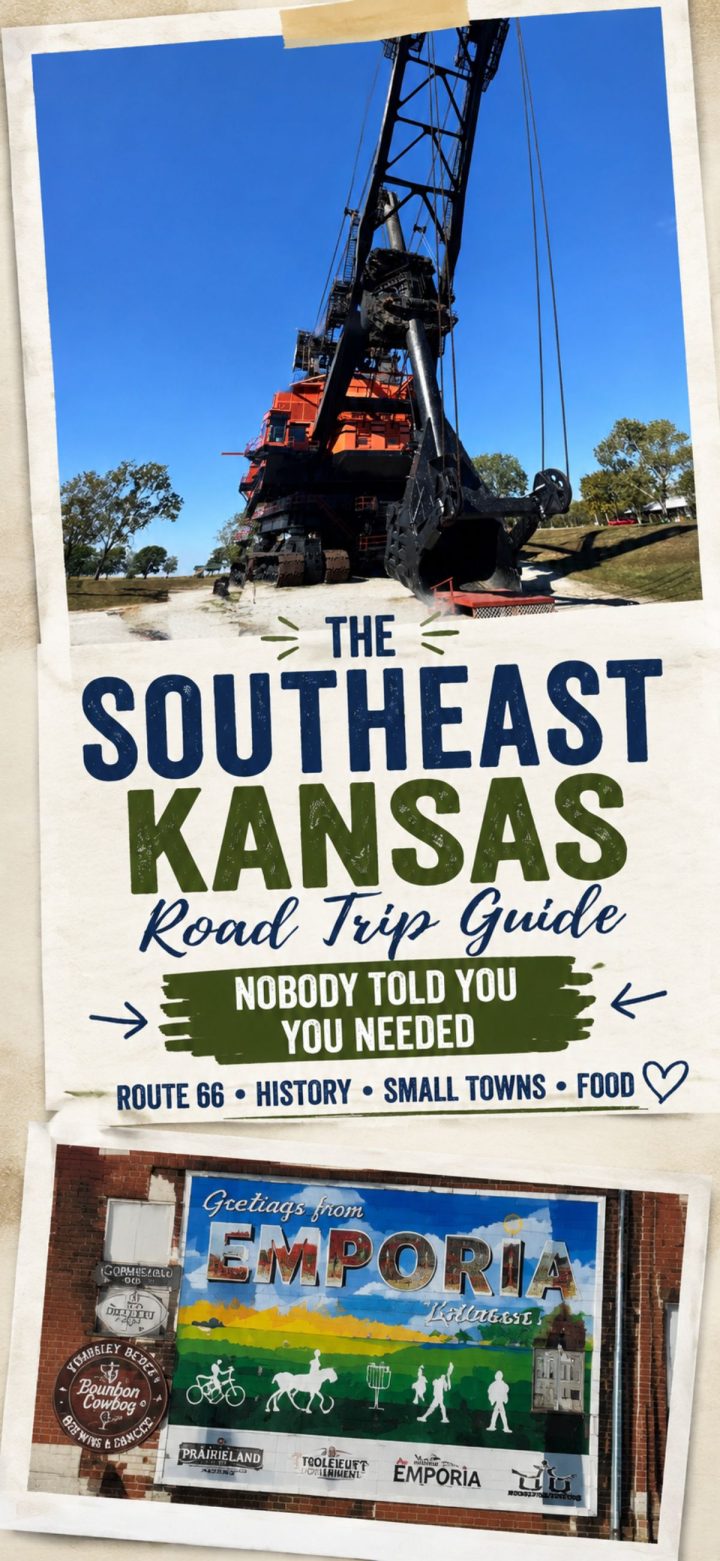
Follow us on Pinterest and PIN any of these images for later!
Frequently Asked Questions: What’s in Southeast Kansas?
Southeast Kansas is known for the historic Route 66 alignment through Galena, Riverton, and Baxter Springs; Big Brutus, the 16-story coal mining shovel museum in West Mineral; the Lowell Milken Center for Unsung Heroes in Fort Scott; the Martin and Osa Johnson Safari Museum in Chanute; and Emporia’s world-class disc golf scene. It’s also one of the best regions in the Midwest for small-town food.
Absolutely. Kansas has only 13.2 miles of Route 66, but it includes Cars on the Route in Galena (the real-life inspiration for the Cars movie), the Brush Creek Marsh Arch Bridge in Baxter Springs (the only surviving bridge of its type on all of Route 66), and Nelson’s Old Riverton Store, one of the oldest continuously operating stores on the Mother Road.
Big Brutus is a 16-story, 11-million-pound electric coal mining shovel in West Mineral, Kansas. It operated from 1963 to 1974 and is now a museum honoring the coal mining heritage of Southeast Kansas. It’s one of the most unique roadside attractions in the United States.
Yes. The museum in Fort Scott, Kansas is free to visit and is one of the most unexpectedly powerful museum experiences in the Midwest. Allow at least an hour.
Yes, most RVers park their rig in Chanute, Pittsburg, or near Wichita and explore the region by car. The towns and attraction parking areas aren’t always large-rig-friendly, and a car gives you much more flexibility for day-tripping.
Gebhardt’s Chicken Dinners in Pittsburg (a decades-long institution), Cars on the Route in Galena for lunch on Route 66, BobbyD’s Merchant Street BBQ in Emporia, Poplar Pizza in Howard, and Honeybee Bruncherie in Emporia for breakfast. The food in this region is genuinely one of its best-kept secrets.
Howard, Kansas is in Elk County in Southeast Kansas, about 90 minutes from Wichita. It’s close to Chanute, Humboldt, and Emporia, all stops on this road trip, and makes a great home base for exploring the region. If you have family in Howard as I do, you’ve probably been driving past all of this for years without knowing it was there.


