The Great American RV Road Trip – Route 66, National Parks & 50 RV Stops
Plan an epic 50-stop RV road trip featuring Route 66, national parks, campgrounds, and unforgettable stops across America.
Planning an Epic RV Road Trip? Steal Our 50-Stop Route
If there were ever a year to plan a big RV road trip across America, I think this is it. America is celebrating its 250th birthday in 2026, Route 66 is turning 100, and suddenly one of our biggest RV trips feels more relevant than ever.
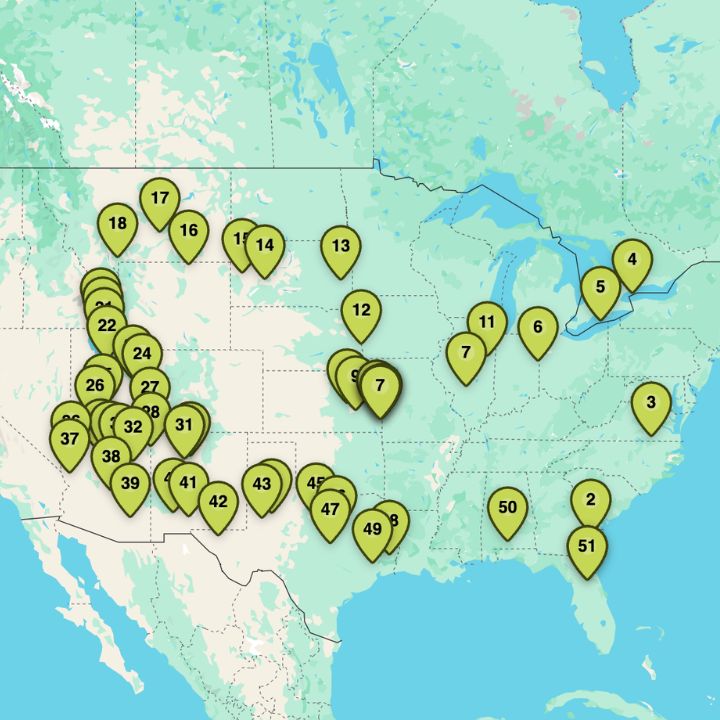
Quick Answer: Looking for a cross-country RV road trip itinerary? This 50-stop route begins and ends in Florida and includes the Black Hills, Yellowstone, Utah national parks, Historic Route 66, Arizona, New Mexico, Texas and more. It’s based on a real RV trip and includes campground stops, overnight locations, suggested stay lengths and sightseeing ideas.
Back in 2019, we took off on a cross-country RV trip that carried us from Florida through the Midwest, across South Dakota and Montana, down through Utah and Arizona, along parts of Historic Route 66, through Texas and eventually back to Florida. It was one of those trips where you look back afterward and think, Wow. We really did all that.
Thankfully, I kept track of where we stayed.
Over the years, I’ve had people ask where we camped near Yellowstone, where we stayed for the Badlands, how we handled Utah, where we stopped along Route 66, and all the other questions that come with trying to plan a trip this big. So I finally sat down with that 2019 route and turned it into something other RVers can actually use.
The result is The Great American RV Road Trip: Route 66, National Parks & Beyond, a 50-stop cross-country RV itinerary based on the route we actually traveled.
And no, before you panic, I’m not suggesting you do it in 50 days. 😂
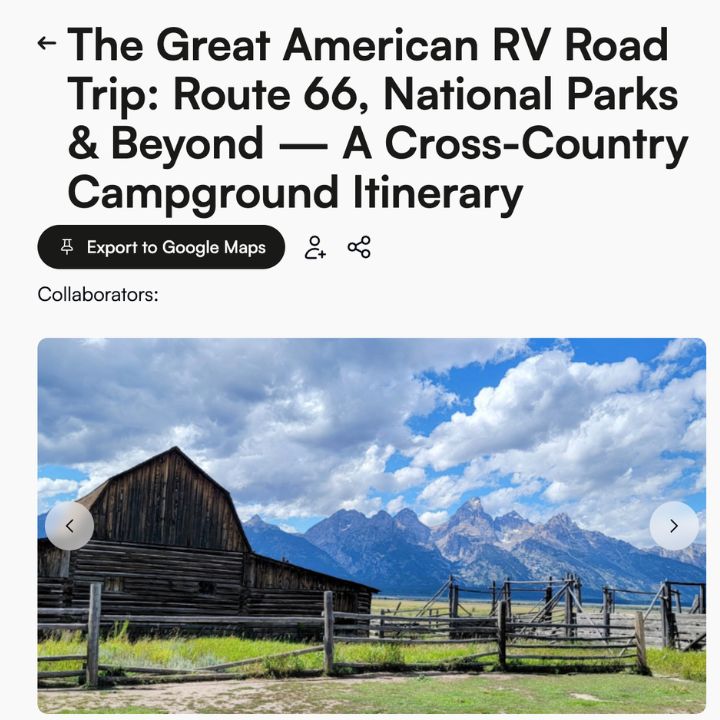

What Is the Great American RV Road Trip?
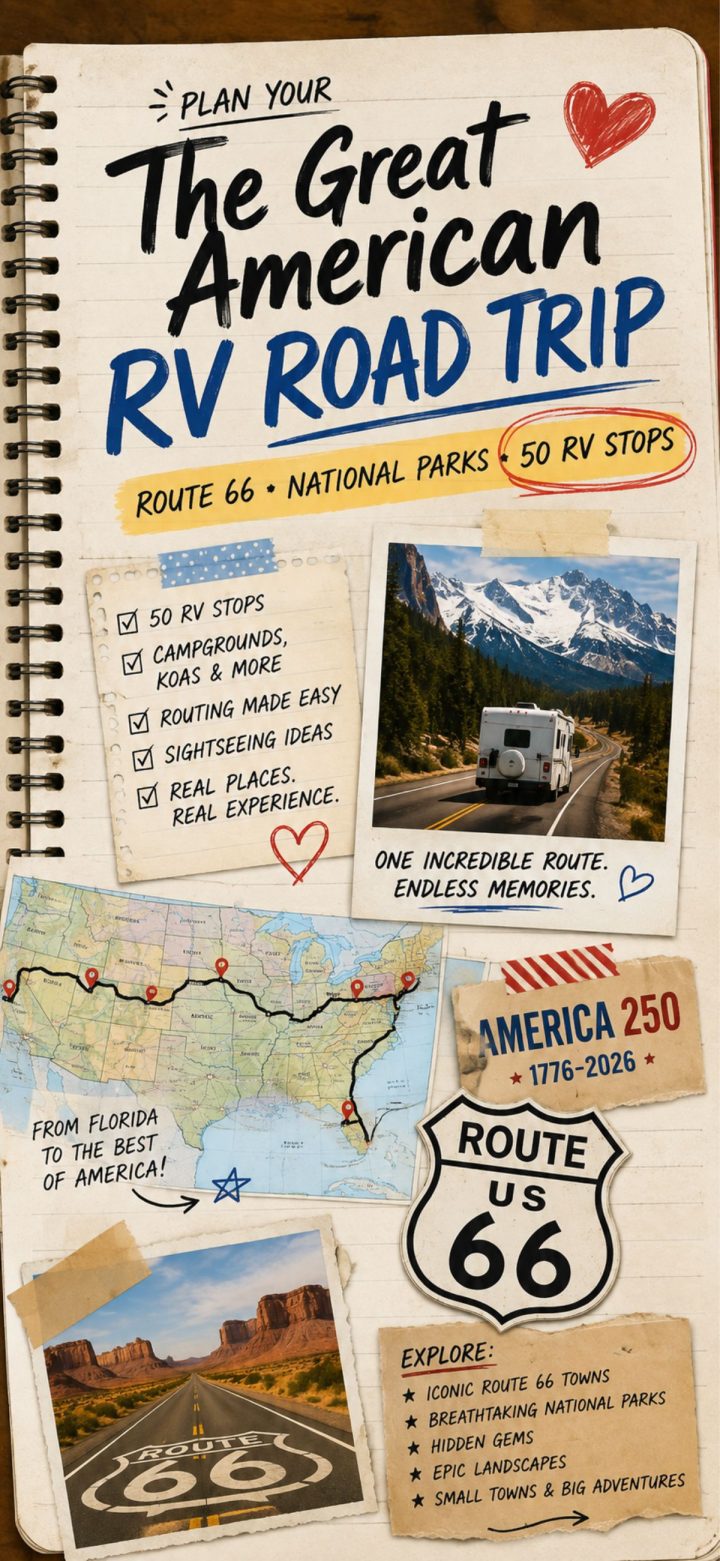
The Great American RV Road Trip is a 50-stop cross-country RV itinerary based on a route we actually traveled. It starts in Central Florida and travels through the Southeast, Midwest, Black Hills, Yellowstone, Utah, Arizona, New Mexico, and Texas before returning to Florida.
Along the way, it combines RV campgrounds and overnight stops with national parks, Historic Route 66 destinations, national monuments, and plenty of other places worth getting off the highway to see.
This isn’t an itinerary I created by sitting at my computer and connecting a bunch of popular destinations on a map. We actually made this trip.
I’ve included the places we stayed, how many nights we stayed when I had that information, and sightseeing ideas around many of the stops. A few things have changed since 2019, of course.
Campgrounds close, businesses change names, and places change ownership, so I’ve updated stops where necessary to make the itinerary useful for someone planning the trip today.
This Isn’t Just a List of Campgrounds
One of the hardest parts of planning a big RV trip isn’t deciding what you want to see. Most of us already have a bucket list a mile long. The hard part is figuring out how to connect everything and, more importantly, where you’re going to put the RV while you’re seeing it.
That’s the part I wanted this itinerary to help with.
The 50 stops are laid out in travel order, starting in Central Florida and eventually looping back around to Florida. You’ll find regular RV parks and resorts, KOAs, state parks, Harvest Hosts, and some of the more unusual places we’ve stayed along the way.
But I didn’t want to give you a pin on a map and say, “Here you go.” I’ve also included how many nights we stayed when I had that information, along with ideas for what there is to see around each location.
Sometimes we stayed somewhere for several nights because there was a lot we wanted to explore. Other times we only stayed one night and still managed to see something along the way.
And then there were those nights when an overnight stop really was just an overnight stop. If you’ve traveled by RV for any length of time, you know exactly what I mean.
Where Does This Cross-Country RV Road Trip Go?
We started from our winter base in Central Florida and headed north through Georgia and North Carolina before spending time in Western New York. From there, the real cross-country portion of the adventure began.
We traveled west through Ohio, Indiana, and Illinois before reaching Kansas, Nebraska, and South Dakota. Then came the Badlands and Black Hills, followed by Wyoming, Montana, and Yellowstone.
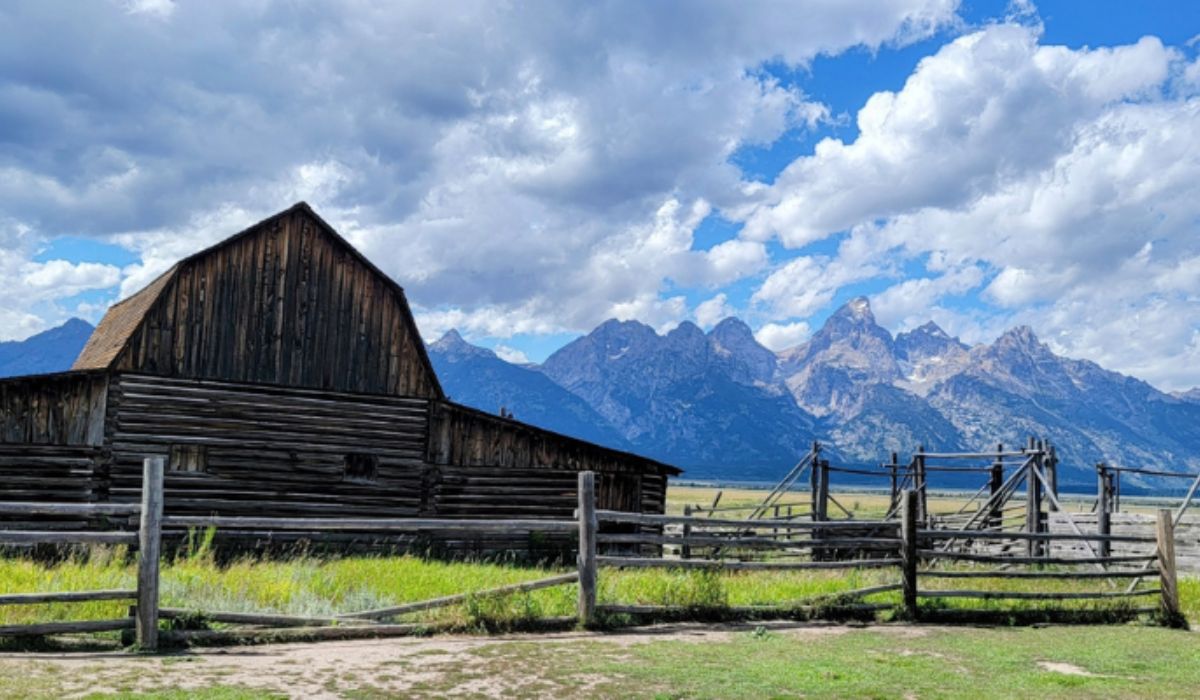
From Yellowstone, we headed south into Utah, and this is where the scenery just gets ridiculous. In the best way possible.
Our route took us through areas where you can explore places like Arches National Park, Canyonlands National Park, Dead Horse Point State Park, and Bryce Canyon National Park. We continued through southern Utah and northern Arizona before working our way into some of my favorite Route 66 territory.
Eventually, we traveled through New Mexico and Texas and worked our way back across the Florida Panhandle to Central Florida.
It’s a BIG route, and that’s exactly why I don’t think you should look at it as something you have to follow from beginning to end. You certainly can, but you can also take one section and turn it into an entirely different trip.
What Are Some of the Best Stops on This RV Road Trip?
There are certain sections of this trip that I could go back and do all over again, and the Black Hills is definitely one of them.
We stayed at Rushmore Shadows Resort and used it as our base for exploring the area. Mount Rushmore is obviously the big name everyone knows, but there’s so much more to see around the Black Hills.
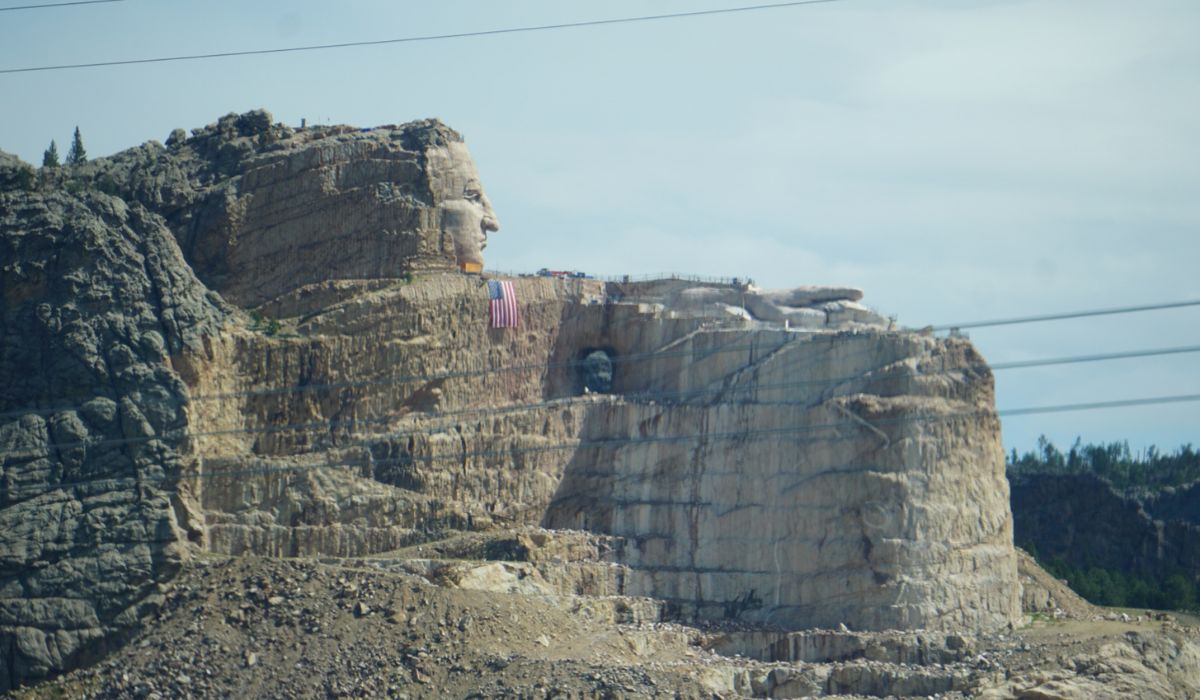
Custer State Park and Crazy Horse Memorial are just the beginning, and some of the drives through this part of South Dakota are destinations themselves.
Before the Black Hills, we stayed near Badlands National Park. If you’ve never driven through the Badlands, put it on your list. It’s one of those landscapes that doesn’t quite look real until you’re standing in the middle of it.
Then there was Yellowstone.
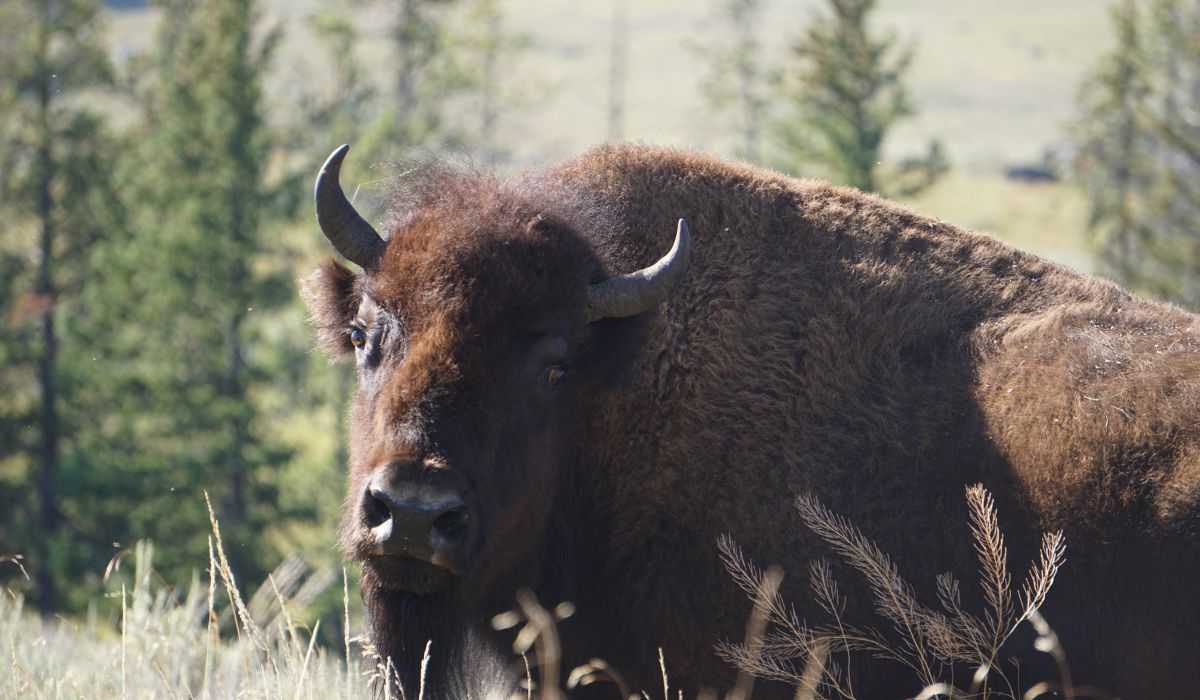
We stayed in West Yellowstone, Montana, which gave us a convenient base for getting into Yellowstone National Park. Yellowstone is definitely not somewhere I’d recommend trying to rush through.
Old Faithful and Grand Prismatic Spring may be the names everybody recognizes, but there’s so much happening between the famous stops that you need time to wander a little.
And then we hit Utah.
How Much Time Should You Spend in Utah on an RV Road Trip?
If you’re planning to use this itinerary as inspiration for your own trip, Utah is one of the places where I’d seriously consider slowing down.
We stayed in the Moab area, which puts Arches National Park, Canyonlands National Park, and Dead Horse Point State Park within reach. Later, we stayed near Bryce Canyon, giving us another completely different landscape to explore.
That’s one of the things I love about this route. You can travel a relatively short distance and suddenly feel like you’ve landed on another planet.
You could easily turn the Utah portion of this itinerary into a trip of its own, especially if your goal is to visit Utah’s national parks. It’s also one of the reasons I’m planning a separate Utah Mighty 5 RV itinerary.
There’s simply too much there to squeeze into a few days.
Can You Combine Route 66 and National Parks on One RV Trip?
Absolutely, and that’s one of my favorite things about this particular route. It isn’t exclusively a Route 66 trip or exclusively a national parks trip. We were able to experience both.
Historic Route 66 turns 100 in 2026, which makes the timing of bringing this old trip back to life especially fun.
We weren’t driving Route 66 from Chicago to Santa Monica on this particular trip, but we traveled through several fantastic stretches of the Mother Road, especially in the Southwest.
Holbrook gave us access to Petrified Forest National Park and the Painted Desert, while Winslow gave us the obligatory Standin’ on the Corner stop. You can’t drive through Winslow and not do it. I don’t make the rules.
In Flagstaff, we visited the Museum of Northern Arizona, Sunset Crater Volcano National Monument, and Wupatki National Monument. Flagstaff itself is also part of Historic Route 66, so there’s plenty to explore without going very far.
Williams gave us another Route 66 town along with access to the Grand Canyon, and then we continued west to Kingman.
Kingman is one of those places where I would absolutely build in some extra time. From there, you can visit the Arizona Route 66 Museum and drive the old highway through the Black Mountains toward Oatman. And yes, the burros in Oatman are part of the experience.
Don’t Skip the 13 Miles of Route 66 in Kansas
Kansas only has about 13 miles of Historic Route 66, which makes it very easy to look at a map and think you can skip it.
Don’t.
That little piece of the Mother Road passes through Galena, Riverton, and Baxter Springs, and there’s a surprising amount packed into those few miles. You’ll find classic Route 66 stops including Cars on the Route and Gearhead Curios in Galena, Nelson’s Old Riverton Store, Rainbow Bridge, and the Baxter Springs Route 66 Visitor Center.
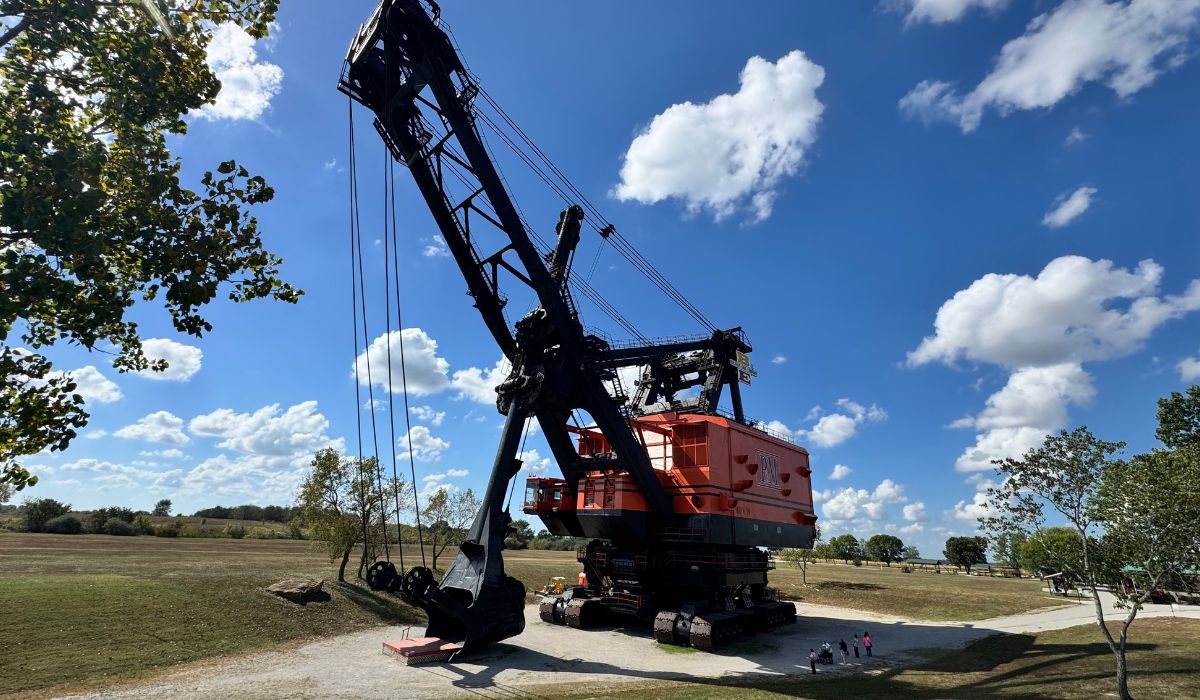
We explored the Southeast Kansas area over several days, and I’ve included the Route 66 sightseeing stops so you don’t drive right past them just because the Kansas section looks tiny on the map.
Sometimes the shortest stretches of a road trip end up being some of the most fun.
How Long Does a Cross-Country RV Road Trip Take?
There’s no single right answer, and I definitely wouldn’t recommend turning 50 stops into a 50-day race across the country.
Some of our stops were simply places to sleep on the way to the next destination, while others became bases for several days of exploring. We stayed two nights in some places, three or four in others, and even longer when there was more we wanted to see.
Yellowstone, the Black Hills, Utah, and Route 66 are all places where I’d build in extra time if your schedule allows.
How long your cross-country RV trip takes will depend on how far you like to drive on travel days, how often you move, which attractions matter most to you, and whether you want some do-absolutely-nothing days mixed in. Those are important too.
This is a road trip, not a race.
Do You Have to Follow All 50 RV Stops?
No, and I actually hope you don’t feel like you have to.
Use the route as a framework.
If you’ve already been somewhere, skip it. Or if you’ve always wanted to spend a week at Yellowstone, stay a week. If you fall in love with the Black Hills and decide you’re not moving for another five days, don’t move.
That’s one of the reasons we RV in the first place.
You can also use individual sections of the itinerary. Someone primarily interested in national parks could concentrate on South Dakota, Yellowstone, and Utah. A Route 66 fan could use the Southwest portion as the foundation for a completely different road trip.
I’ve included the number of nights we stayed at many of the locations because I think that’s helpful when you’re planning, but our schedule doesn’t have to become your schedule.
This itinerary gives you the bones of the trip. You get to put your own adventure around them.
Why This Is a Great America 250 RV Road Trip
America’s 250th birthday isn’t just about July 4th. The celebration gives us an entire year to get out and experience some of the places that tell the story of this country, and RVers have a pretty great way to do that.
This route includes national parks, national monuments, historic towns, state parks, museums, roadside oddities, small businesses, wineries, pieces of Route 66 and some of the most spectacular landscapes we’ve seen during our years on the road.
Add the Route 66 Centennial happening in the same year, and I couldn’t think of a better time to dig this trip out of my records and turn it into an itinerary other RVers can use.
If you’ve been looking for an America 250 RV road trip, this route gives you a starting point without locking you into somebody else’s exact schedule.
What’s Included in the Great American RV Road Trip Itinerary?
The itinerary includes 50 RV campgrounds and overnight stops in travel order, along with notes about the places we stayed and sightseeing ideas around many of those locations. You’ll find traditional RV campgrounds and resorts, KOAs, state parks, Harvest Hosts, and some unusual overnight stops mixed in along the way.
I’ve also included Route 66 sightseeing stops and nearby attractions so you can see why a particular location made sense as a base rather than simply seeing another campground pin on a map.
A few things have naturally changed since we originally traveled the route in 2019. Campgrounds close. Businesses change names. Places disappear. Where one of our original locations was no longer a practical option—or where we stayed on private property—I’ve substituted a current camping option so you can actually use the itinerary today.
As always, check current campground information, RV size restrictions, road conditions, and availability before you head out. Nine years of RVing has taught me many things, and “things change” is pretty high on the list.
Why Use an RV Itinerary From Life in the RV?
I’ve been living and traveling full-time by RV since 2017, and we’ve traveled through 42 states along the way. This itinerary isn’t based on places I found while researching a hypothetical road trip. It’s built from one of our actual cross-country RV adventures and updated to make it useful for RVers planning their own trip today.
That’s important because RV trip planning involves more than finding attractions. You have to think about where you’re going to stay, how you’re going to get there, travel days, campground locations, RV accessibility, how long you want to drive, and whether a particular campground actually makes sense as a base for what you want to see.
Those are things you learn very quickly when the RV isn’t just your vacation transportation. It’s your home.
My goal with these itineraries is to take what I’ve learned from years of RV travel and give you a head start. You can change the route, slow it down, speed it up or completely steal one section and forget the rest.
Follow us on Pinterest and PIN any of these images for later!
Frequently Asked Questions About This RV Road Trip
No. This is a cross-country RV itinerary that includes portions of Historic Route 66 along with national parks, national monuments, and other destinations. It isn’t intended to be a complete Chicago-to-Santa-Monica Route 66 itinerary.
There are 50 campground and overnight stops arranged in travel order, beginning and ending in Central Florida.
Yes. The route provides access to several major national park destinations and National Park Service sites, including Badlands National Park, Yellowstone National Park, Arches National Park, Canyonlands National Park, Bryce Canyon National Park, Grand Canyon National Park, Petrified Forest National Park, Sunset Crater Volcano National Monument, and Wupatki National Monument.
Yes. The trip includes portions of Historic Route 66 and Route 66 sightseeing opportunities, particularly in Kansas, New Mexico, and Arizona.
That depends on which section of Route 66 you’re exploring. On this trip, campground bases in places such as Holbrook, Winslow, Flagstaff, Williams, and Kingman gave us access to Route 66 attractions as well as nearby national parks, monuments, and other sightseeing destinations.
Absolutely. You don’t have to complete the entire 50-stop loop. Use individual sections to create a Black Hills trip, Yellowstone and Utah adventure, Southwest Route 66 road trip or another route that fits the amount of time you have available.
Not all of them. This route is based on our actual 2019 trip, but I’ve updated locations where necessary. Campgrounds can close, change ownership, or change policies at any time, so always verify current information directly with the campground before booking.
We traveled this route as full-time RVers, but that doesn’t mean every campground or road will work for every RV. Always check current campground site lengths, RV restrictions, road conditions, clearances, and access for your particular rig before traveling.
Ready to Plan Your Own Great American RV Road Trip?
You could spend weeks opening campground websites, dropping pins on maps, figuring out which campground makes sense for which attraction, and wondering whether you’re accidentally routing yourself 200 miles in the wrong direction.
I’ve already done a lot of that work.
More importantly, we actually traveled the route.
The Great American RV Road Trip itinerary gives you 50 stops to work from, campground and overnight ideas, sightseeing suggestions, and a route you can customize to fit the way you like to travel.
Whether you tackle the whole thing, steal one section for your next trip or finally use it as the push to start planning that cross-country RV adventure you’ve been talking about for years, I hope it gets you out there.
Because there are an awful lot of roads left to travel.
And with America turning 250 and Route 66 turning 100, I’d say this is a pretty good year to start.