

Semiquincentennial Travel: See U.S. History Up Close in an RV
The semiquincentennial is America’s 250th birthday in 2026. Here’s why RV travel is the best way to experience it, and how to start planning.
Semiquincentennial Travel: See U.S. History Up Close in an RV
Semiquincentennial travel refers to trips planned around America’s 250th birthday celebration in 2026. The word semiquincentennial means 250th anniversary, semi (half) + quincentennial (500 years).
For travelers, it means that in 2026, historic sites, national parks, small towns, and major cities across all 50 states are running special events, exhibits, reenactments, and programming tied to the founding of the United States.
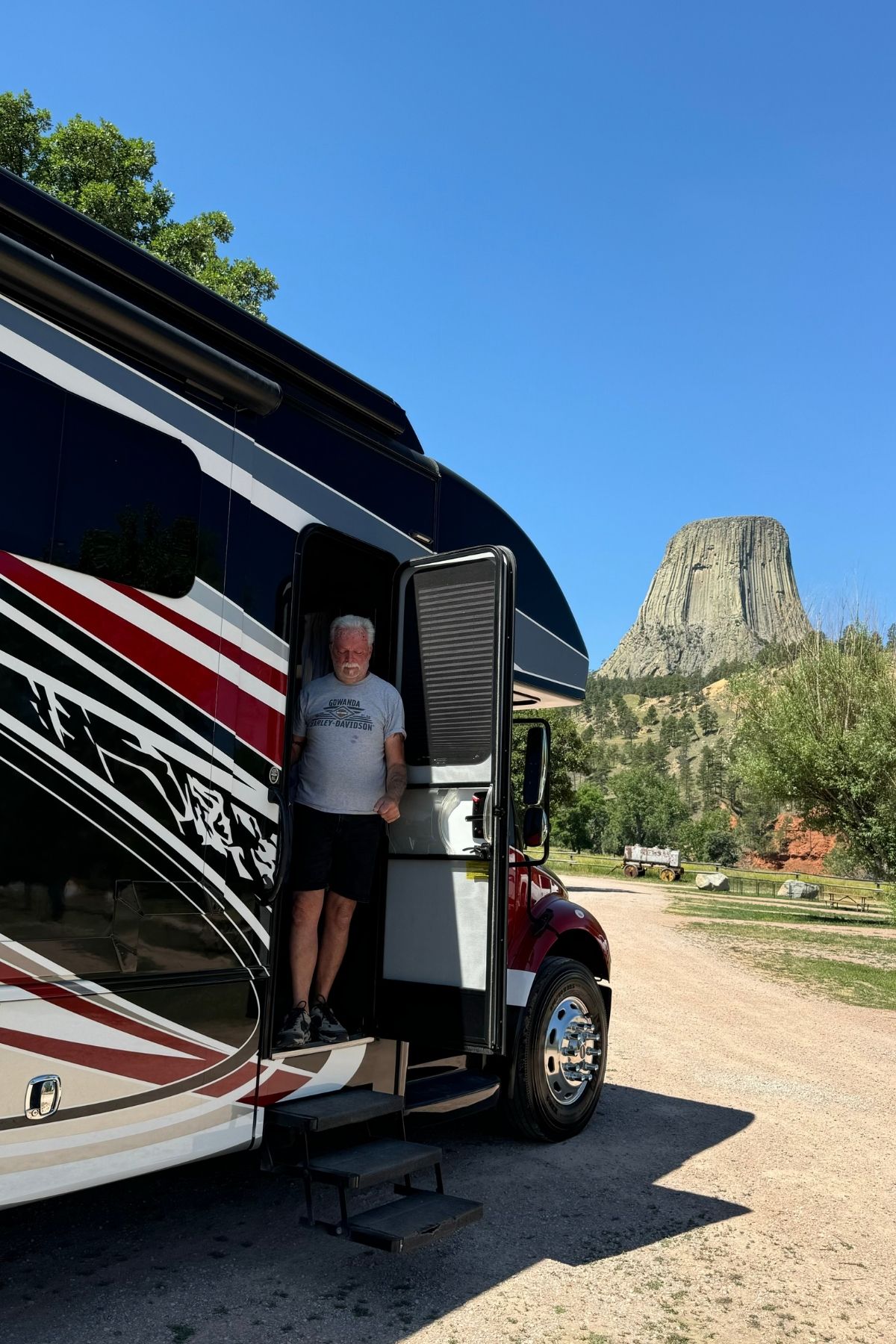
RV travel is one of the best ways to experience it because it lets you move between destinations at your own pace, stay close to historic sites, and discover the smaller stops that flights and hotels will never get you to.
Ready to see where else the road can take you? RV Travel Across the USA has more.
You have probably seen the word by now. Maybe in a news headline, maybe on a sign at a museum, maybe in passing conversation. And your reaction was probably something like: I know what that means, roughly, but I am not entirely sure I could explain it.
Key Takeaways
- Semiquincentennial means 250th anniversary, in 2026, which refers to America’s birthday on July 4, 1776.
- Semiquincentennial travel means planning a trip around the places, events, and experiences tied to America’s 250th in 2026.
- Historic sites, national parks, small towns, and major cities across all 50 states are running special programming through 2026.
- RV travel is uniquely suited for semiquincentennial trips, it lets you move between destinations, stay close to historic sites, and find the stops most travelers never reach.
- You do not need to be a history buff or an experienced traveler to make this work. A themed trip is actually easier to plan than an open-ended one.
- The celebration runs all year, not just July 4th, so any 2026 trip to a historic destination counts.
- You do not need to own an RV. Renting is a completely valid way to experience semiquincentennial travel for the first time.
You are not alone. Semiquincentennial is a mouthful. But the idea behind it is simple, and for anyone who has been dreaming about a big American road trip, it is one of the best travel opportunities in a generation.
Here is what it means, why it matters for travelers in 2026, and why an RV is one of the best possible ways to experience it.

What Does Semiquincentennial Mean?
Let’s start with the word itself because it is worth understanding before you see it on every sign and headline this year.
Semiquincentennial breaks down like this:
- Semi = half
- Quincentennial = 500th anniversary
- Half of 500 = 250
So semiquincentennial means 250th anniversary. In the context of 2026, it refers to the 250th anniversary of the United States, specifically July 4, 1776, when the Declaration of Independence was adopted.
You will also hear it called America 250, the bicentennial-plus-50, and the semiquincentennial celebration. They all refer to the same thing: a once-in-a-generation national milestone that is generating events, programming, and travel interest across every state in the country.
The last time the US marked a major anniversary like this was the bicentennial in 1976. If you were around for that, you know what it felt like. If you were not, 2026 is your version of it.
Need help planning your own adventure? Check out Go RVing’s trip itineraries for route ideas, destination inspiration, and travel planning tips.
What Is Semiquincentennial Travel?
Semiquincentennial travel simply means planning a trip around America’s 250th birthday, the events, the historic sites, and the places that are most alive with meaning in 2026.
It is not a formal travel category or a ticketed program. It is a mindset for how you approach the road this year. Instead of planning a trip and then figuring out what to do when you get there, semiquincentennial travel starts with the question: what does this place mean in the context of 250 years of American history, and what is happening here in 2026 to mark that?
That question alone can turn an ordinary road trip into something that feels genuinely significant.
Semiquincentennial travel can look like:
- Visiting Independence Hall in Philadelphia during a year when the city is going all-out for the 250th
- Driving through a small Virginia town and discovering a living history reenactment you did not plan for
- Pulling into a campground near Gettysburg and spending two days walking the battlefield with a park ranger
- Attending a local parade in a town that has been celebrating July 4th the same way for 150 years
- Staying at a Harvest Hosts property on a colonial-era farm and hearing the owner talk about what that land has seen
It does not have to be grand or exhausting. Some of the best semiquincentennial travel moments will be completely unplanned.
Why Is 2026 a Particularly Good Year for History Travel?
Every year has historic sites worth visiting. What makes 2026 different is the national energy around them.
Historic places are investing in this moment. Museums are opening new exhibitions. National parks are running expanded ranger programs. Small towns that have a founding-era story to tell are finally telling it at a level they have not attempted in decades.
Living history programs that usually run on weekends are expanding to full weeks. Events that were quiet annual observances are becoming major regional gatherings.
The result is that 2026 is genuinely one of the best years in a generation to visit these places, not because the places themselves have changed, but because the energy around them has.
A few specific things worth knowing about the 2026 semiquincentennial landscape:
- Washington, DC, is the center of gravity. The National Mall is hosting a Great American State Fair (June 25–July 10), multi-day July 4th fireworks, and year-round DC250 Festival programming. The National Archives has a special ‘Free and Independent’ exhibition running through 2027.
- Philadelphia is going bigger than any other city. As the birthplace of the Declaration of Independence, Philly has programming running all year, Independence Hall, the Liberty Bell, special exhibitions, and events tied directly to the 250th.
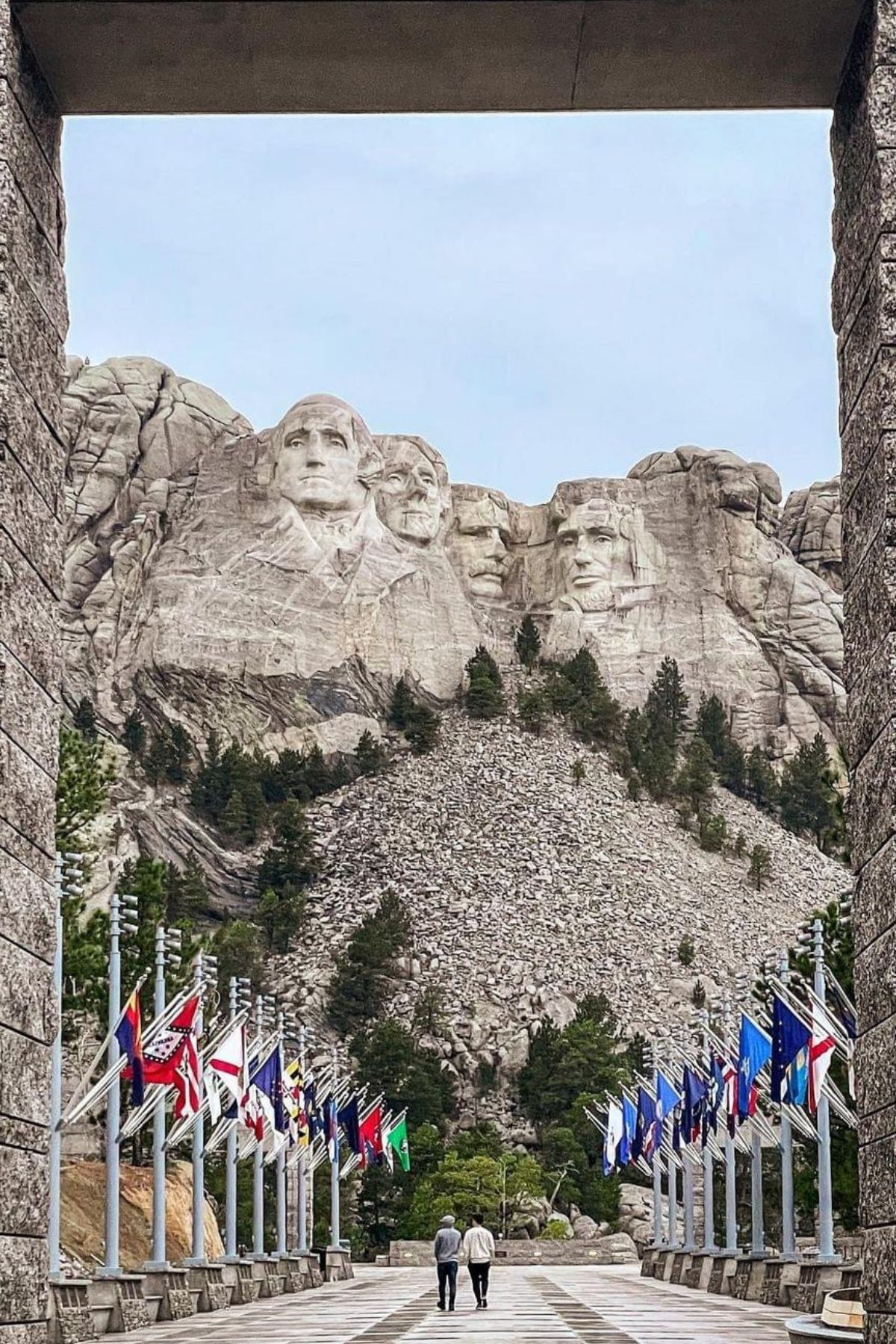
- Mount Rushmore is hosting special July 3rd fireworks that have not been held there in years. The Black Hills region has excellent RV infrastructure and makes for one of the best semiquincentennial road trip destinations in the country.
- Small towns across all 50 states are running their own America 250 programming. County museums, historic courthouses, old forts, and restored main streets that rarely make national travel lists are worth seeking out this year. These are often the most memorable stops.
- The celebration runs all year. This is not just a July 4th event. Semiquincentennial programming started in early 2026 and runs through the end of the year and into 2027 in some cases. Any 2026 trip to a historically significant destination counts.
Why Is an RV the Best Way to Experience Semiquincentennial Travel?
You could fly into one city, see the big landmark, and fly home. A lot of people will do exactly that this year.
But semiquincentennial travel is not really about one landmark. It is about the story of a country, and that story does not live in one city. It lives in the spaces between them.
The small towns. The rivers and mountain passes and coastal roads that shaped how people moved and settled and fought. The places that most travel itineraries skip because there is no famous restaurant nearby.
An RV gets you to those places. And more importantly, it lets you stay there.
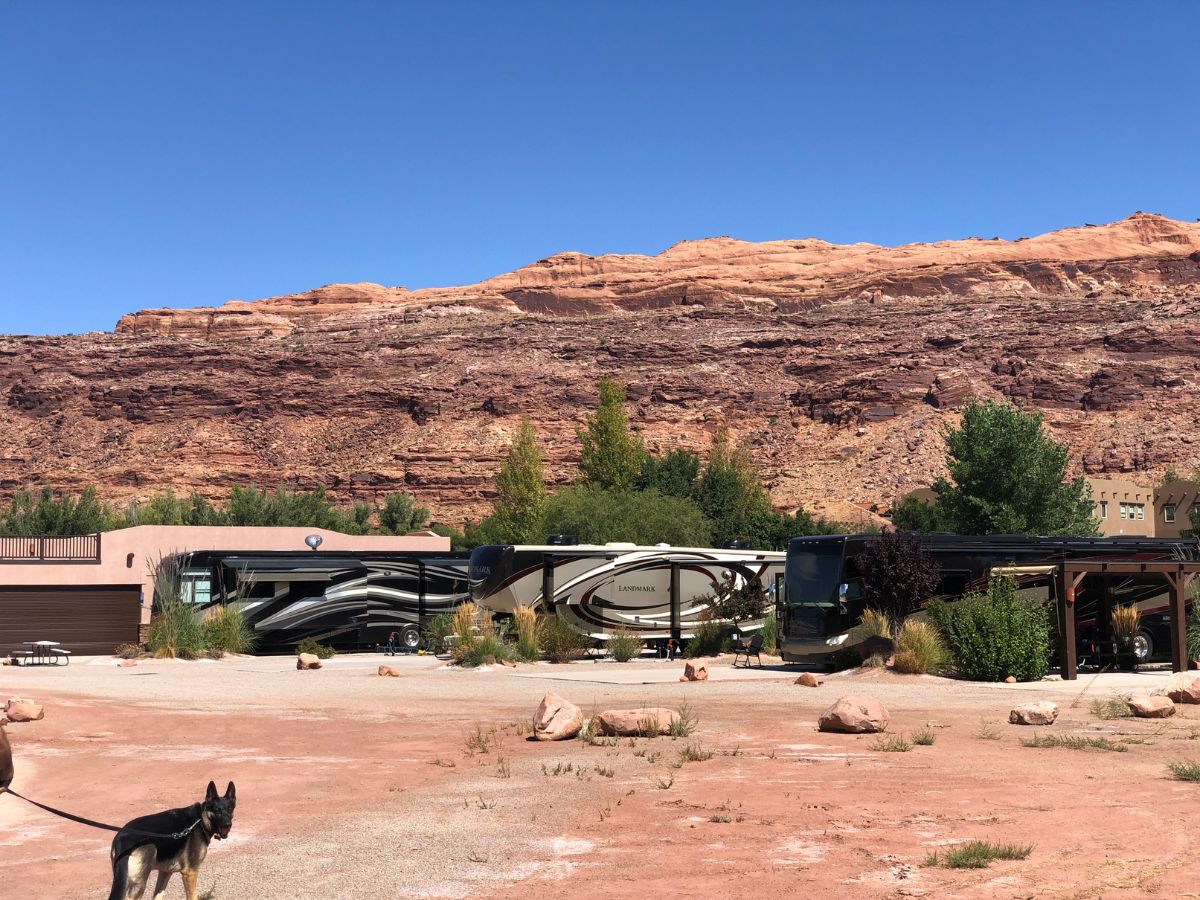
You can follow the story, not just the highlights
RV travel lets you trace a thread across multiple destinations without the friction of airports, rental cars, and hotel check-ins at every stop.
You can drive from Philadelphia to Valley Forge to Gettysburg to Antietam in a week, sleeping in the same bed every night, cooking your own meals, and spending your actual time at the places that matter rather than in transit between them.
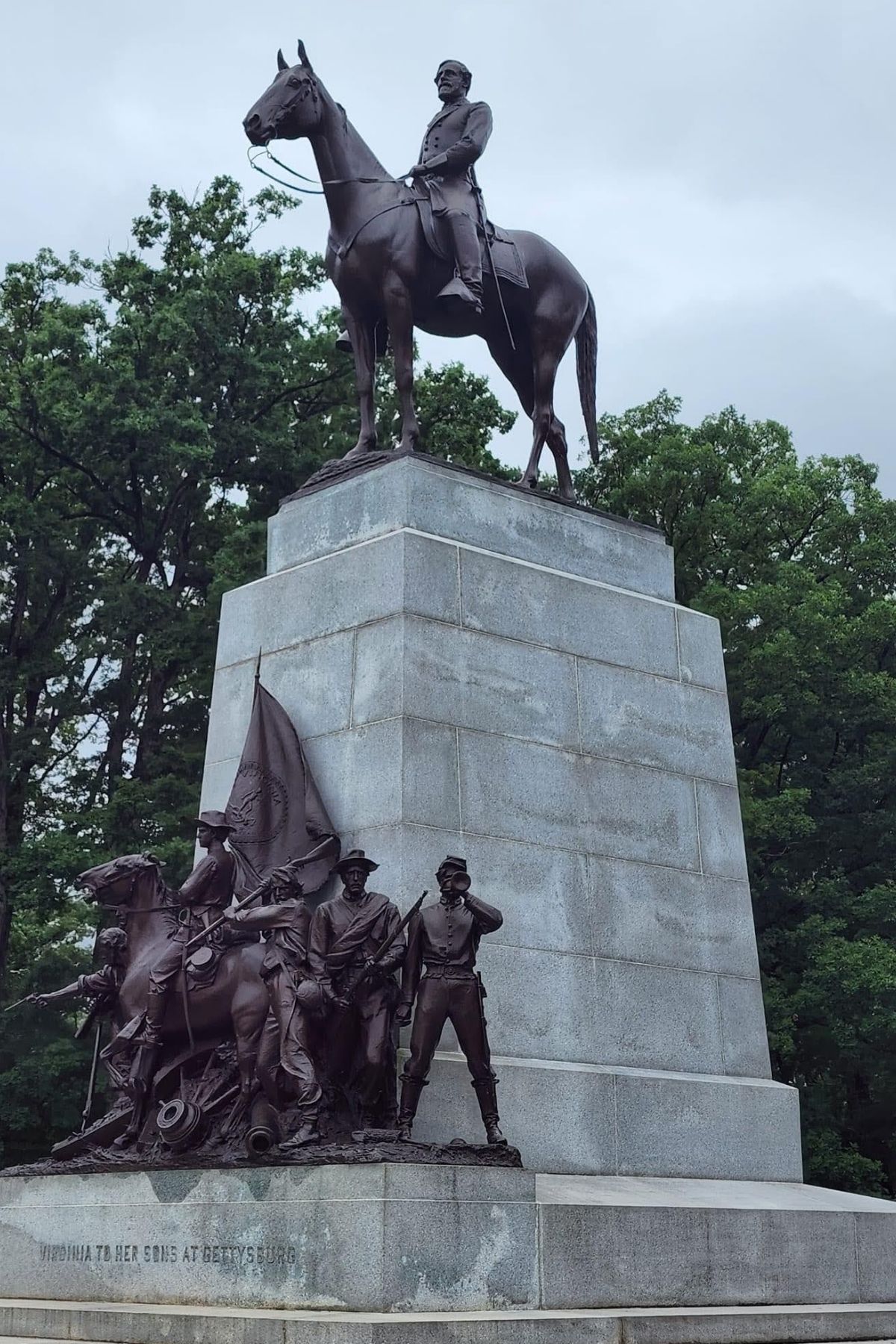
You end up in places you would never book a hotel
Some of the best semiquincentennial stops in 2026 are not in cities with Marriott hotels. They are in small towns with one campground and a local museum run by volunteers who know every story.
An RV is the only way to stay near those places overnight and actually absorb them.
You move at the pace history deserves
Rushing through a battlefield in 90 minutes because you have a flight to catch is not the same as spending a full morning with a ranger, then sitting at a picnic table for lunch with the landscape around you, then walking back through one more time because something caught your eye.
RV travel gives you that second kind of time.
You can be spontaneous
Some of the most meaningful semiquincentennial moments will not be on any list. A roadside historical marker that turns into a two-hour detour.
A local parade you stumble into. A camp host who points you toward something that never shows up on travel websites. RV travel is built for exactly that kind of discovery.
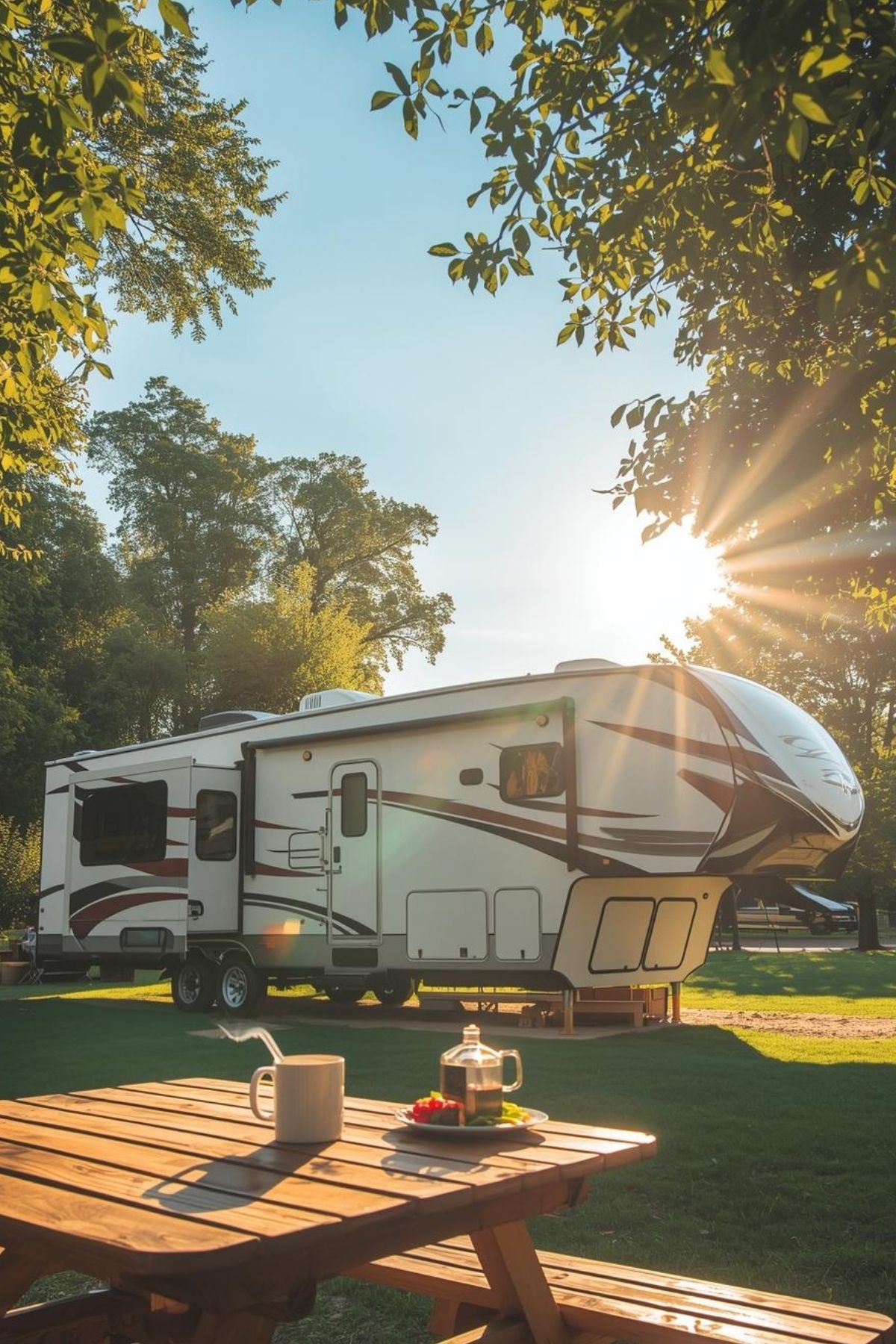
What Kinds of Stops Make the Best Semiquincentennial RV Memories?
If you are planning a 2026 history road trip, here are the types of stops that tend to hit hardest:
- Historic main streets with walking tours. Easy, low-cost, and often surprising. Many small towns have self-guided walking tour maps available at the local chamber or library.
- Battlefield parks and national monuments. Often very well preserved and staffed by rangers who are genuinely passionate about the history. In 2026, most will have expanded programming.
- Local museums with volunteer guides. The people running small county history museums are frequently the best storytellers you will ever meet. Give them time.
- Harbor and river towns. So much of America’s founding history happened along waterways. Towns built around colonial-era ports and trading rivers have a particular kind of atmosphere that is hard to replicate anywhere else.
- Old churches and meetinghouses. Many are still standing from the 1700s. Some are active congregations. Some are museums. All of them have a stillness that makes the history feel close.
- Harvest Hosts properties with historic connections. Some Harvest Hosts locations are working farms, vineyards, or properties with direct ties to early American history. Worth searching for these specifically when building your route.
- State capitals and historic courthouses. Where local history actually happened, not just national history. Every state has its own semiquincentennial story worth knowing.
My friend Teresa is on a quest to visit all 50 state capitals. Be sure to follow her journey at An Acre in the City!
Do You Need to Be a History Buff to Enjoy Semiquincentennial Travel?
No, and this is worth saying directly because it is the assumption that keeps a lot of people from planning this kind of trip.
You do not need to know the details of the Revolutionary War. You do not need to have read any particular books. And you do not need to be someone who enjoys museums on a typical vacation.
What semiquincentennial travel actually requires is curiosity. The willingness to slow down, look at something, and ask what happened here. The openness to let a place tell you something you did not already know.
That is a very different thing from being a history buff. And it is something most people, including people who would never describe themselves as interested in history, find they have more of than they expected when they are actually standing in a place that has a real story.
The road has a way of making history feel personal. Not like a textbook. Like something that actually happened to real people, in real places, that you can walk through right now.
That is what semiquincentennial travel is really about.
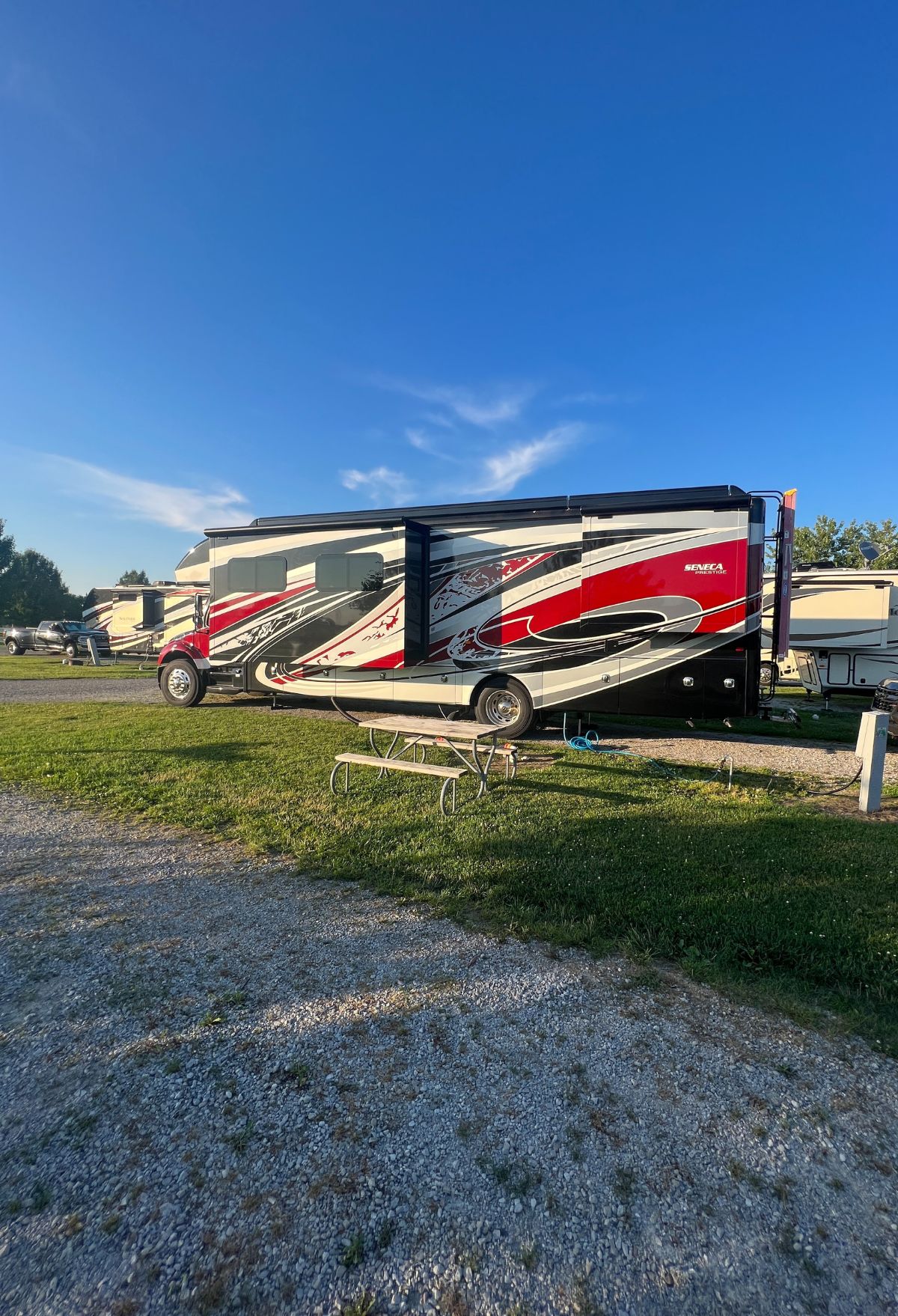
How Do You Start Planning a Semiquincentennial RV Trip?
Start with one question: what part of the American story do you most want to understand?
The founding era and the Declaration of Independence. The Revolutionary War battles. The westward expansion. The national parks were established to protect the land that defined the country.
The civil rights landmarks. The immigrant communities that built the cities. The Native American heritage that predates all of it.
America’s 250th gives you a framework, but the specific thread you follow is yours to choose. And whichever one you pick, there is a route that makes sense for an RV, historic sites worth stopping at along the way, and 2026 programming that will make those stops more alive than usual.
And if you want to connect with other people planning their own semiquincentennial trips, the Full Time RV Roadmap community is free and full of aspiring and experienced RVers who are asking the same questions you are.
If you’ve been waiting for a sign to take the trip, this is one.
Follow us on Pinterest and PIN any of these images for later!

People Also Ask FAQs
Semiquincentennial means 250th anniversary. The word breaks down as semi (half) + quincentennial (500th anniversary). Half of 500 is 250. In 2026, it refers specifically to the 250th anniversary of the United States, tied to July 4, 1776, when the Declaration of Independence was adopted.
Semiquincentennial travel means planning a trip around America’s 250th birthday celebration in 2026. It includes visits to historic sites, national parks, and communities running special events, exhibits, and programming tied to the founding of the United States. The celebration runs all year across all 50 states, not just on July 4th.
They refer to the same thing. Semiquincentennial is the formal word for a 250th anniversary. America 250 is the name used by the official nonpartisan organization, established by Congress, that is coordinating the national celebration. You will see both terms used interchangeably throughout 2026.
No. While July 4, 2026, is the centerpiece of the celebration, semiquincentennial programming is running all year across the country. Major events include the National Gallery of Art Block Party weekend in June, the Great American State Fair on the National Mall (June 25–July 10), multi-day fireworks in Washington, DC (July 4–8), expanded Veterans Day programming in November, and events in every state through the end of 2026 and into 2027.
RV travel is well-suited for semiquincentennial trips because so much of America’s founding history is spread across small towns, rural battlefields, and destinations that are not well served by airports or hotels. An RV lets you move between destinations at your own pace, stay close to historic sites overnight, and reach the kinds of places, small county museums, old forts, restored main streets, that most travel itineraries skip. It also lets you slow down and spend real time at the places that matter, rather than rushing between them.
No. Renting an RV is a completely valid way to experience semiquincentennial travel, especially for a first trip. Peer-to-peer rental platforms and traditional rental companies offer a range of rig sizes at different price points. For a first-timer doing a history-focused road trip, a rental Class C motorhome is a common choice, manageable to drive, with a full kitchen and bathroom, and enough living space for a week or two on the road.
The top destinations for semiquincentennial travel in 2026 include Washington DC for the National Mall celebrations and July 4th fireworks; Philadelphia for year-round 250th programming tied to Independence Hall and the Liberty Bell; the Black Hills of South Dakota for Mount Rushmore and the Badlands; Colonial Williamsburg and Yorktown in Virginia, Gettysburg in Pennsylvania, and Valley Forge. Beyond the headline destinations, small historic towns across all 50 states are running their own America 250 programming and are often more accessible and less crowded than the major sites.
Start by choosing one thread of American history that interests you, the Revolutionary War, the national parks, westward expansion, civil rights history,, and build a route around the places that tell that story best. Pick one anchor destination and book that campground first, then build the rest of the route around it loosely. Leave room for unplanned stops. For a full planning walkthrough including route ideas, budget, and campground strategy, see the Ultimate RV 250 Guide for Beginners.
Harvest Hosts is a membership program that gives RVers access to thousands of unique overnight locations, wineries, farms, breweries, museums, and historic properties, free with an annual membership. For semiquincentennial travel, it is particularly useful because some Harvest Hosts locations have direct historical ties or are situated near significant 2026 destinations. It is also a budget tool: using Harvest Hosts for several nights along a historic route can significantly reduce your overall campground costs.


