Living Full Time in an RV With No Physical Address
Living full time in RV means more than swapping a mortgage for a campsite. Here are 3 real freedoms and a few honest trade-offs.
Ditch the Fixed Address: How RV Life Unlocks True Flexibility
We’d been talking about it for years. The “someday” plan. The thing we’d do when the timing was right, when we had enough saved, when life slowed down a little.
Then we stopped waiting for someday and just went.
Nine years later, living full time in an RV has given us things we didn’t even know we were missing, and a few curveballs we didn’t fully see coming. If you’re weighing whether this life is for you, I want to give you the real version, not just the highlight reel.
If you’re reading this, chances are you’ve already started asking the question. What would it actually look like to live full time in an RV? Before we get into the flexibility and freedom that come with ditching a fixed address, it helps to understand the bigger picture first.
I’ve got a complete guide on how to RV full time that walks you through everything, from choosing the right rig to figuring out mail, money, and the logistics most people don’t think about until they’re already on the road.

Key Takeaways
- Living full time in an RV means you can follow good weather year-round instead of being stuck with one climate
- Dropping a fixed address eliminates property taxes and often reduces major utility bills
- You can choose a domicile state (like Florida, Texas, or South Dakota) with no state income tax, a financial perk most people don’t think about
- Mail, packages, and paperwork are manageable with the right systems in place
- The RV community is real and welcoming, but building your people takes intentional effort
- You don’t have to go full-time to start experiencing the freedom; part-time and seasonal RVing count too

Before the RV: The Life That Felt Like It Owned Us
We had the house. The zip code. The lawn that needed mowing whether we felt like it or not.
There’s comfort in that kind of life, and I don’t want to pretend otherwise. Stability is real. Having a community nearby is real. Knowing your grocery store layout by heart is… honestly kind of nice.
But somewhere along the way, we started feeling like the house owned us instead of the other way around. We couldn’t leave for more than a few days without planning for the plants, the mail, and the “what ifs.” We were tied to one climate, one view, one property tax bill that kept creeping up.
We wanted more room to breathe. So we went looking for it, in a 40-foot Jayco Seneca Super C, as it turns out.
3 Freedoms That Come With Living Full Time in an RV
You Stop Fighting the Weather and Start Following the Good Stuff
This one sounds small until you’ve actually lived it.
When we were in a house, winter just… happened. You braced for it. You scraped the windshield, ran up the heating bill, and waited it out. Now? We head south before the cold hits and follow spring back up when we’re ready.
We’ve had Thanksgiving on a picnic table in 72-degree weather. We’ve watched fall color roll through the Smokies at peak. We’ve avoided ice storms that would’ve had us cooped up for days.
You’re not stuck with one climate anymore. That alone changes your relationship with every single season.
No HOA. No Zoning Wars. No One Telling You What Color Your Shutters Can Be.
If you’ve ever gotten a letter from an HOA about your trash cans being visible from the street, you already understand this one.
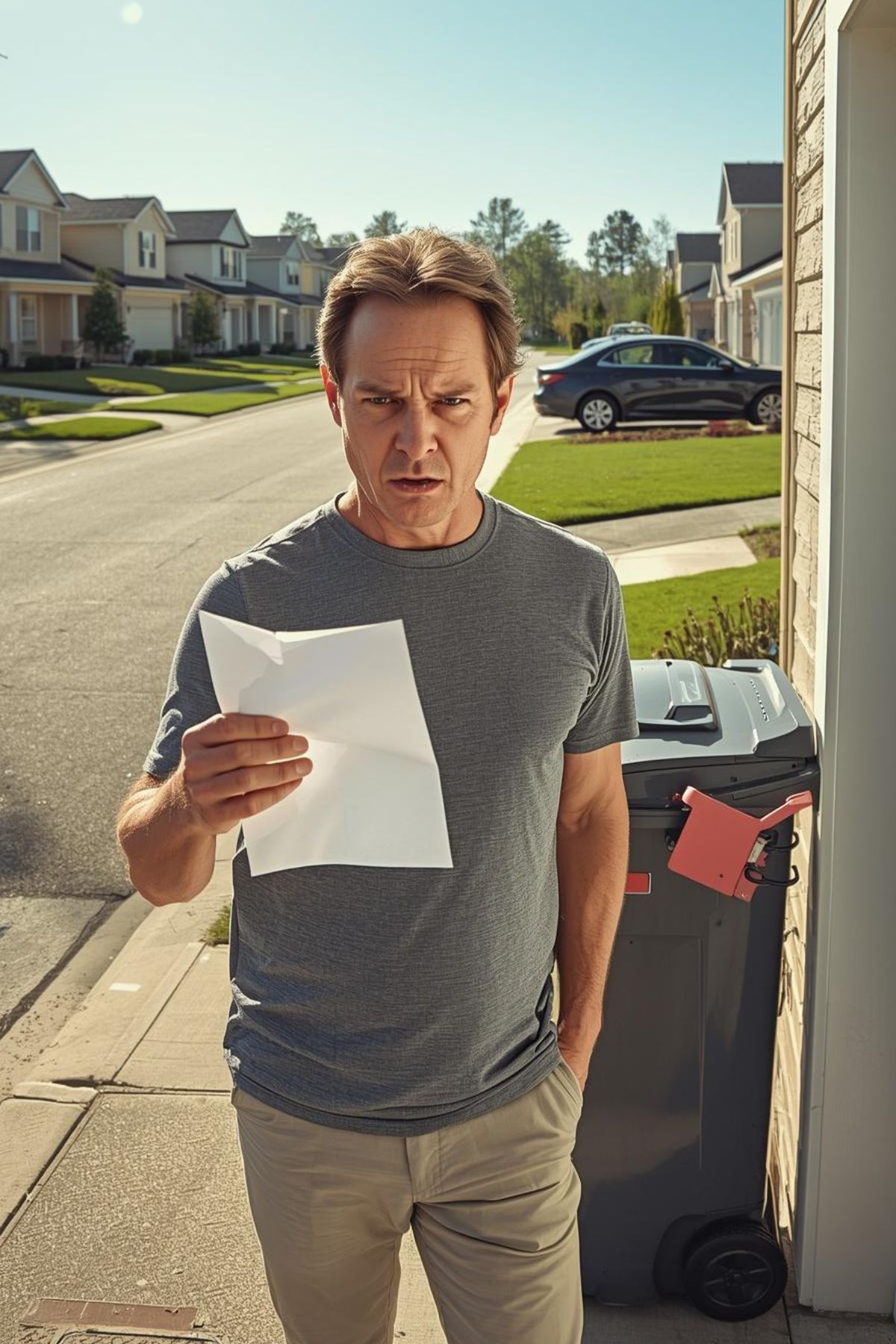
Living full-time in an RV means you choose your environment. Want a resort-style park with a pool and a pickleball court? Done. Want to boondock under a sky full of stars with no neighbors for a mile? Also done.
You decide what your “neighborhood” looks like, and it can change whenever you’re ready for something new.
The freedom to pick your own vibe, on your schedule, is genuinely one of the things I didn’t appreciate until I had it.
Property Taxes Become Someone Else’s Problem
This one surprises people.
Yes, RV life has its own costs, campgrounds, fuel, maintenance (Harley the German Shepherd has opinions about rest stops, and so does Tim). But property taxes? Big utility bills? Those largely disappear.
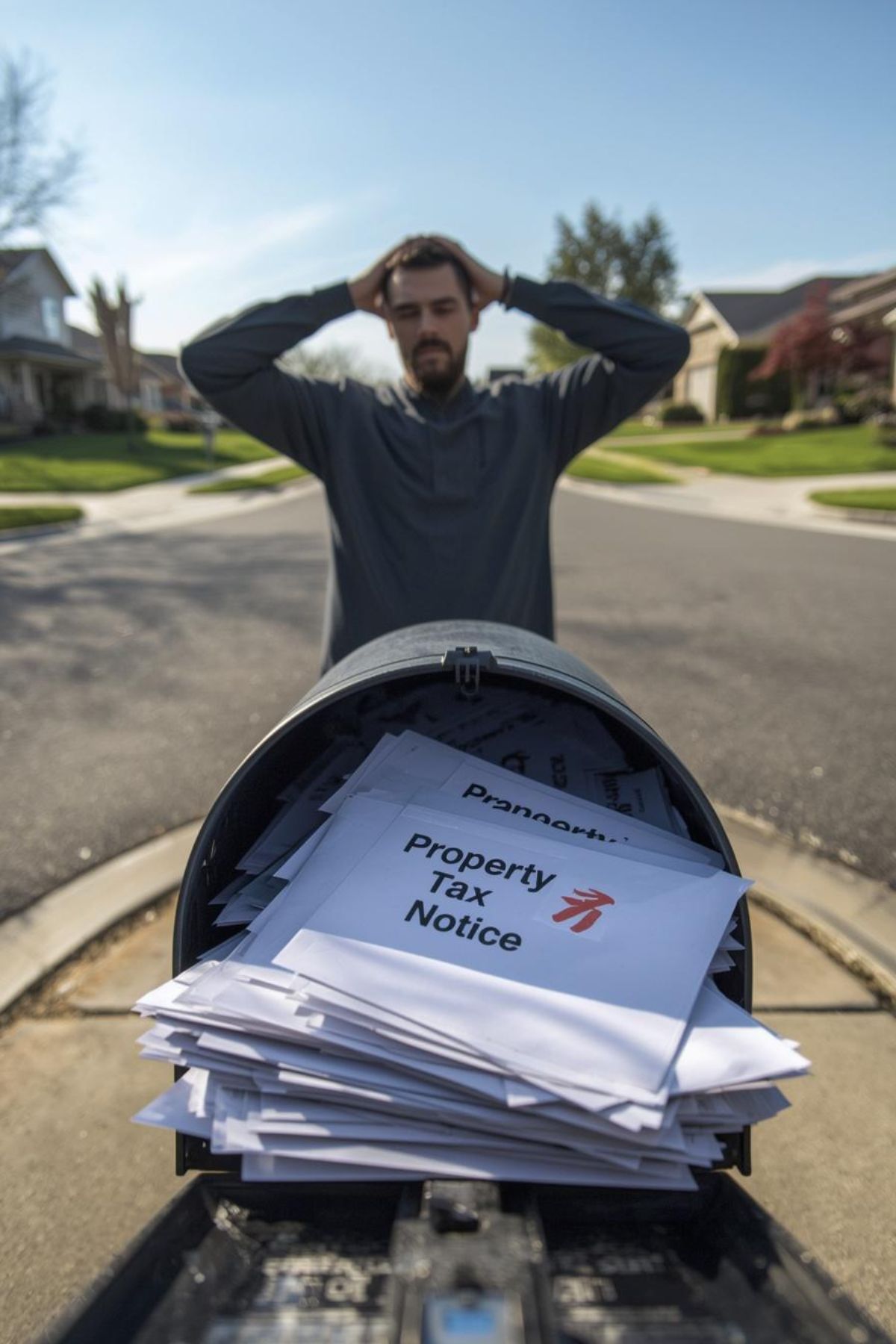
And here’s the part that really gets people: when you live full-time in an RV, you get to choose your domicile state. That means you can legally establish your home base somewhere like Florida, Texas, or South Dakota, states with no state income tax.
That’s not a loophole. It’s just how domicile works, and it’s one of the most overlooked financial benefits of this life.
The Honest Trade-Offs (Because I’m Not Going to Pretend This Is All Perfect)
Mail Is a Whole Thing
Without a front porch, getting mail requires a plan. We use a mail forwarding service, which works well, but it’s one more system to manage. Packages are trickier. Not every RV park accepts deliveries, and some charge per package, and Amazon’s next-day magic gets a little complicated when your address changes.
The good news: this is a solved problem. Services like Escapees and My RV Mail exist specifically for people like us. You just have to set it up before you need it.
And your domicile state matters more than people realize. It affects your driver’s license, voter registration, vehicle registration, insurance, and taxes. Don’t wing this one.
Amazon Prime Is No Longer Your Best Friend
Related to the above: ordering things on the road takes more planning. UPS stores, Amazon lockers, and RV parks that accept mail all become part of your strategy.
It’s not a dealbreaker. But if you’re someone who orders something every other day, it’s a habit that’ll need adjusting.
Community Doesn’t Just Happen, You Have to Build It
One of the things people sometimes miss about fixed-address life is the sense of belonging somewhere. The neighbors you wave to. The friends who’ve known you for years.
RV community is real, and honestly, it’s one of my favorite things about this life. But it takes intention. You have to show up to rallies, say yes to campfire invitations, and join the Facebook groups. We’ve made some of our closest friends on the road, but it happened because we made the effort.
If you’re introverted or slow to warm up, this part may take longer. That’s okay. Just know it requires some energy.
So… Is Living Full Time in RV Right for You?
Here’s what I tell people who are in the “considering it” stage: you don’t have to have everything figured out to start.
That’s the whole heart of what I call the All-or-Something approach. You don’t need all the answers. You just need the next right step.
Some people go full-time and never look back. Some do six months a year and keep a home base for the other six. Some travel in between other seasons of life, contract work, house sits, and sabbaticals. All of it counts.
The question isn’t whether you’re ready for the perfect version of this life. It’s whether you’re ready to take one step toward the version that fits you.
FAQs
Popular choices include Florida, Texas, and South Dakota because they have no state income tax and are RV-friendly for vehicle registration and mail services. The best choice depends on insurance, healthcare, and personal needs.
Many RVers use mail forwarding companies, UPS stores, Amazon lockers, or campgrounds that accept deliveries. It takes planning, but it becomes routine quickly.
Most people need a realistic budget, the right RV, a mail plan, insurance, route ideas, downsizing strategy, and a willingness to adapt as they learn.
Save This Post, Living Full Time in RV With No Physical Address, for Later