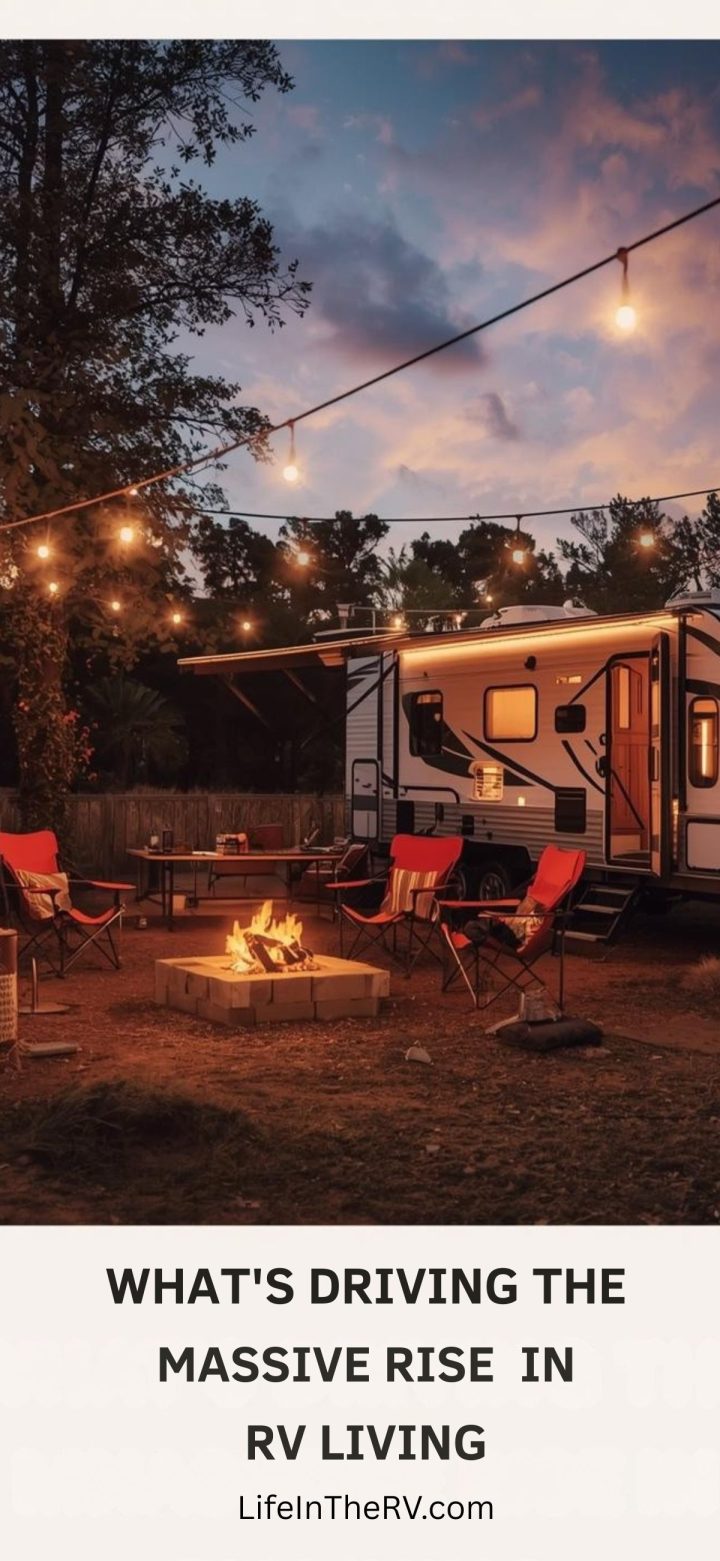
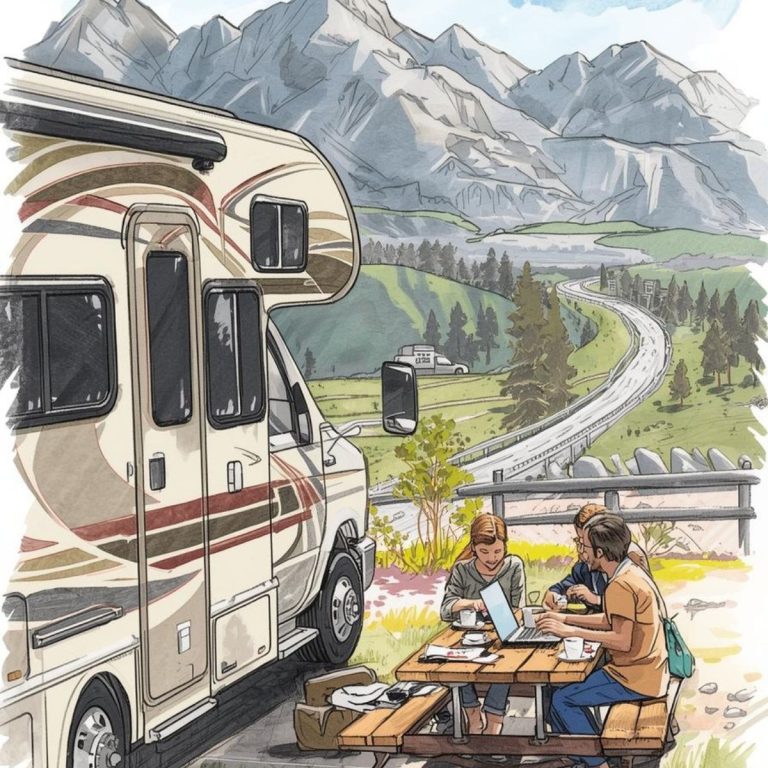
Why RV Life Is Growing Fast
RV life is growing fast. Explore the trends driving this lifestyle and what aspiring RVers need to know before starting out.
🤔 What Aspiring Full-Time RVers Should Know Before Jumping In
Thinking about how to RV full time? You’re not alone. Interest in RV travel and mobile living has surged over the past several years, and now the numbers back it up.
According to market analysis from Mordor Intelligence, the global RV industry is projected to grow from around $35.6 billion in 2025 to roughly $52.7 billion by 2030, reflecting steady year-over-year expansion. North America leads a large portion of that demand, with projected growth from approximately $21.8 billion to $32.5 billion during the same period.
Translation? More people aren’t just vacationing in RVs; they’re choosing them as a major part of their lifestyle.
As someone who has lived full-time on the road for nine years, I’ve watched this shift firsthand. But booming demand doesn’t just mean more RVs on the road; it shapes the choices you’ll make as you prepare for your journey.

Let’s break down what this trend means for future full-timers like you.

❓ Why More People Are Choosing RV Life
Growth in RV interest isn’t driven by one type of traveler; it’s a mix of:
- remote workers who want mobility
- retirees seeking freedom
- families traveling long-term
- digital nomads replacing homes with wheels
- weekenders transitioning into full-timers
Industry analysts include remote-work flexibility, rising demand for longer trips, and improved RV features among major drivers of growth.
🤯 The mindset shift behind the movement
People aren’t just asking, “Where should we camp this summer?”
They’re asking:
“How do we design a life we don’t need a vacation from?”
RV living offers:
- flexibility over rigid schedules
- presence with family
- simpler living
- adventure on demand
- the ability to take “home” wherever you go
And that resonates deeply with people craving more intentional living.
🏭 How Industry Growth Affects You as a New RVer
Growth = opportunity, but also decisions. Here’s how to plan smart.
More rigs and layouts to choose from
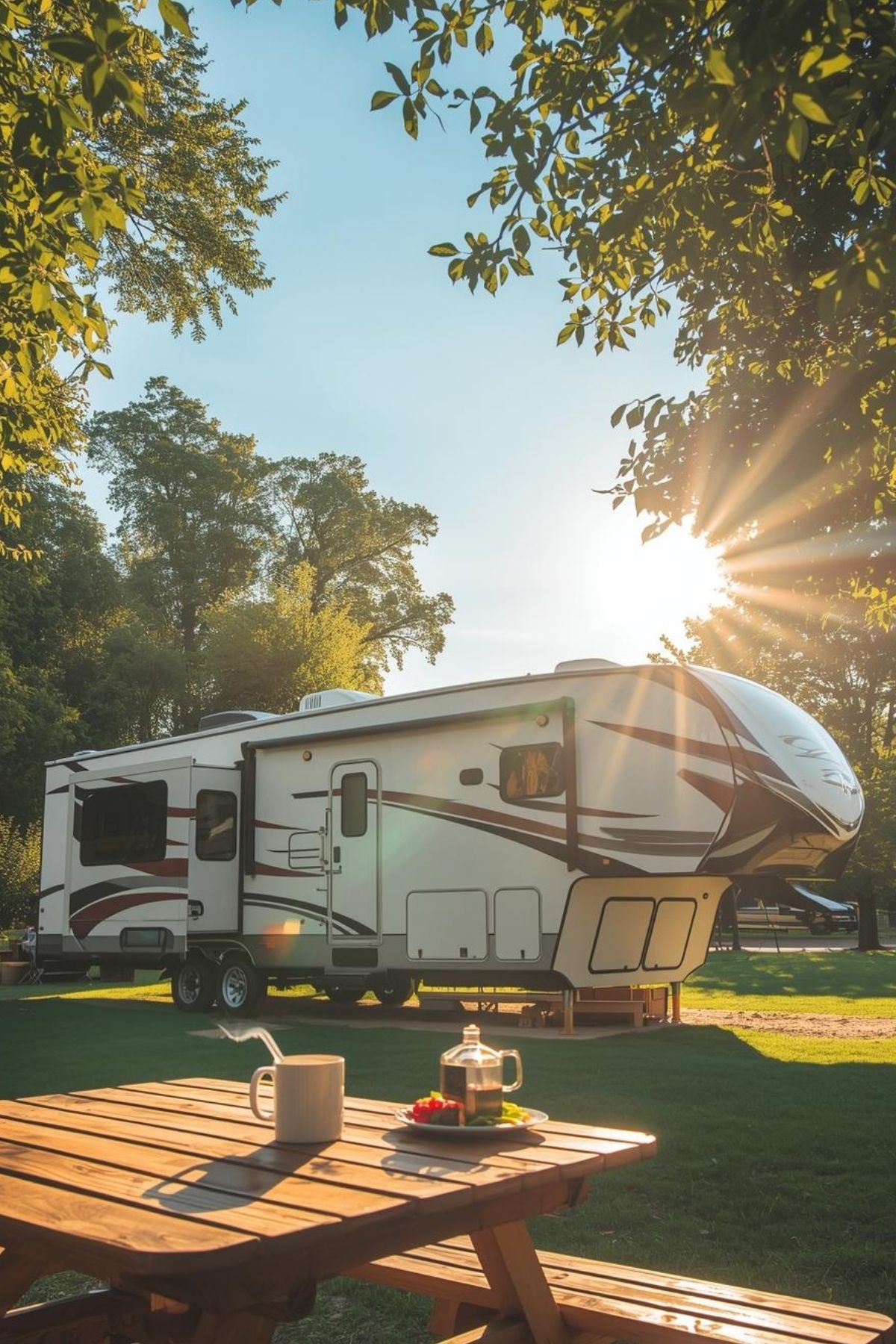
Towables still make up most of the RV market, but motorhomes, especially tech-forward models, are gaining traction as demand for full-time-friendly layouts increases.
What this means for you:
There’s no longer a one-size-fits-all answer. Take the time to choose a floor plan based on how you’ll live, not just how you’ll camp.
Ask yourself:
- Do we need a workspace?
- Will we boondock often?
- How long do we stay in one place?
- Do we travel with pets or kids?
Your rig should fit your lifestyle, not the other way around.
Working from the road is no longer unusual
Remote work is one of the biggest catalysts behind RV growth. Manufacturers are responding with:
- better power systems
- solar-ready builds
- dedicated desk spaces
- improved climate control
- connectivity-minded layouts
What this means for you:
Plan your rig like a home office, not a weekend camper.

A strong RV tech setup may include:
- reliable cellular router or hotspot
- booster or antenna
- secondary battery or inverter
- ergonomic workstation seating
This matters more than fancy décor or a second TV.
Renting before buying is becoming normal
More people are testing the lifestyle before investing, thanks to growth in rental platforms and short-term lease options. Industry projections show the rental market climbing as more people “try before they buy.”
Why that’s good for you:
You can experience real RV living, cooking, working, driving, and parking, before committing financially.
Before buying your first rig, try a rental that matches your top contenders.
😬 Mistakes Many New RVers Make (And How to Avoid Them)
Growth is exciting, but it also leads to overwhelm. These common pitfalls can slow you down:
❌ Mistake 1: Buying a huge rig too fast
Bigger isn’t always better—especially if you’re new to towing, parking, or boondocking.
✔ Better approach: Start with what you can comfortably travel in now. You can upgrade later as you learn your travel style.
❌ Mistake 2: Treating RV life like a permanent vacation
If your rig doesn’t support daily life, work, meals, weather, sleep, and privacy, you’ll burn out quickly.
✔ Better approach: Choose a rig as if it’s a full-time home, not a weekend getaway.
❌ Mistake 3: Assuming RV life is automatically cheaper
RV living can save money, but not without budgeting for:
- camp fees
- fuel
- maintenance
- connectivity
- insurance
- repairs
✔ Better approach: Build a budget based on your travel pace, not averages.
Slow travel = cheaper travel.

📝 A 30-Day Starter Plan to Test RV Life Before Committing
If you’re on the fence, here’s a mini challenge to help you evaluate the lifestyle realistically:
| Days | Action |
|---|---|
| 1-5 | Choose 3 rigs that fit your must-haves & lifestyle needs |
| 6-10 | Rent or borrow a similar rig and live in it like full-timers |
| 11-15 | Plan a route that includes errands, chores, and work time |
| 16-20 | Test your tech setup: Wi-Fi, power, workspace |
| 21-25 | Estimate monthly living costs based on your test trip |
| 26-30 | Reflect on what worked + what needs adjusting |
You’ll learn more from five real days in a rig than fifty YouTube videos.
🎬 Final Thoughts
The rise in RV demand isn’t just an industry trend; it’s a sign that more people are choosing freedom, flexibility, travel, and intentional living over traditional routines.
If you’re dreaming about RV life, you’re not chasing a trend. You’re stepping into a lifestyle with momentum behind it.
And you don’t have to figure it out alone.
📌 Follow us on Pinterest and PIN any of these images for later!