How We Decide What We Consider Full Time RV Expenses
We spent $2,364 on Full Time RV expenses in April 2026 and $1314 in June. Our old house overhead alone was $2,717/month. Here’s the full breakdown, real numbers, the Clerbrook story, and what we actually saved by going full-time.
Full-Time RV Budget: Real Numbers
I’ve been tracking our RV expenses for nine years. Every tank of fuel, every campground night, every grocery run across forty-something states.
But I’ll be honest with you, until this year, I never actually sat down and looked at the full picture month by month.

This year, things changed. Fuel prices got real. We made a decision that was nine years in the making. And I thought, if I’m doing all this tracking anyway, I might as well show you exactly where every dollar goes.
If you’re brand new here and still figuring out how full-time RV life even works, start with How to RV Full Time first, then come back to the numbers.
Key Takeaways
- Our RV-specific expenses for April 2026 totaled $2,364
- Our old house overhead alone was $2,717/month, more than our entire RV life costs now
- We track Harvest Hosts spending separately from campground costs, the experience is completely different
- April was the month we finally let go of our 9-year spot at Clerbrook Golf & RV Resort in Florida
- This will be our first winter campground shuffling around Florida, no guaranteed spot waiting
- Costs like groceries, phone, medical, and auto insurance exist in both lifestyles, so we don’t count them as RV expenses
So here it is. April 2026. The expenses I count as RV-specific, the ones that exist because of this life and go away if we went back to a house. Real numbers from two people and a German Shepherd named Harley living full-time in a Jayco Seneca Super C.

What I’m Actually Counting – and What I’m Not
Before we get into the numbers, I want to explain how I built this list. Because the way you count things changes everything.
There are expenses that exist in both lifestyles, groceries, your phone bill, medical costs, car insurance, streaming subscriptions, dog food. Those aren’t RV expenses. Those are just life expenses. You’d be paying them in a house too.
What I’m tracking here are the costs that are directly tied to living and traveling in an RV, the ones that would disappear or look completely different if we went back to a house. Fuel. Campgrounds. RV insurance. Memberships. Storage. The stuff that’s specific to this life.
That’s how you get a real comparison. And the real comparison is $2,364 a month in RV-specific expenses versus what our house actually cost us. Let’s look at that side by side.
House Life vs RV Life: The Real Cost Comparison
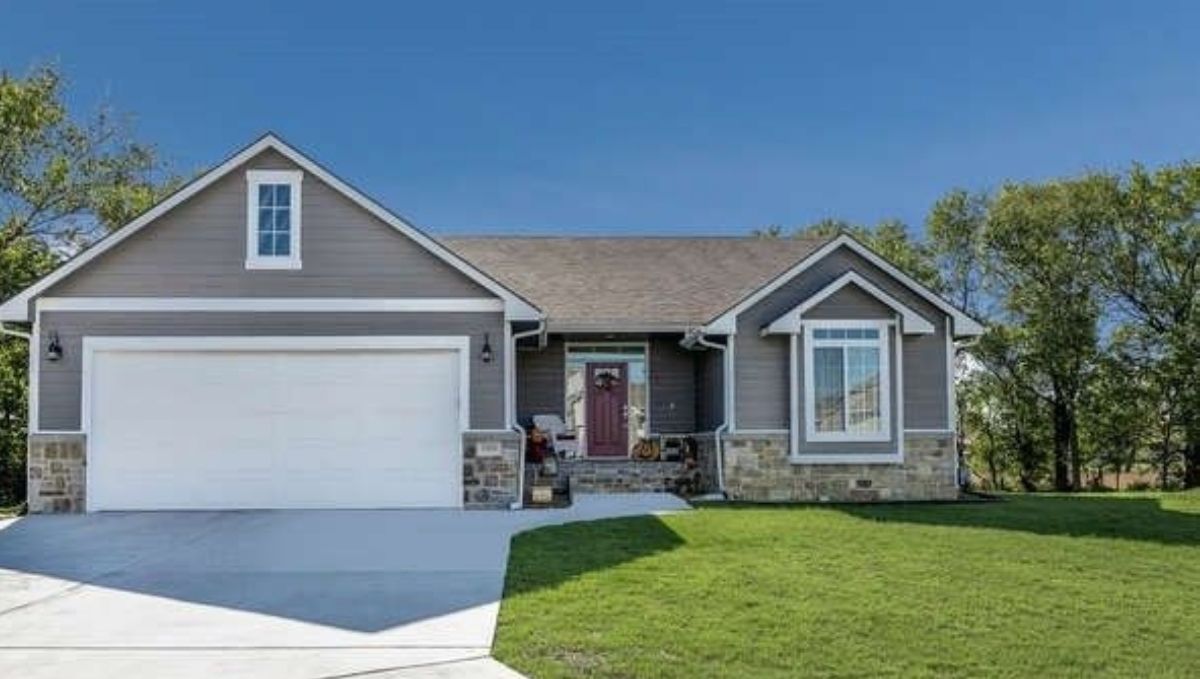
Our house was $300,000. Our mortgage, including taxes, was $2,000 a month. But that wasn’t the whole number. Not even close.
| 🏠 HOUSE | 🚐 RV LIFE (April 2026) | ||
| Mortgage (incl. taxes) | $2,000 | RV-specific expenses | $2,364 |
| HOA | $50 | No mortgage | $0 |
| Pool | $50 | No property taxes | $0 |
| Lawn care | $25 | No HOA | $0 |
| Utilities | $300 | No utilities | $0 |
| Home insurance (÷12) | $42 | No lawn care | $0 |
| Maintenance (1% rule) | $250 | No home maintenance | $0 |
| HOUSE OVERHEAD TOTAL: $2,717/mo | RV TOTAL: $2,364/mo | ||
| The house cost more in pure overhead than our entire RV life, before groceries, phone, insurance, or medical. | |||
Our house overhead was $2,717 a month. Our entire RV life in April 2026, everything on the list above, is $2,364. Now that total is going change monthly. It will depend on where we are and how much traveling we are doing. So I don’t let myself get attached to that number.
The house costs more in pure overhead than full-time RV life costs us today. And that’s before we ever bought a single grocery or paid a phone bill.
Now add back the shared expenses, groceries, phones, medical, streaming, auto insurance, and those numbers look similar on both sides.
The difference is that on the RV side, we also got rid of a $300,000 mortgage, a house we rattled around in by ourselves, and a life where Tim and I passed each other in the hallway on our way to work.
I’ll take $2,364 and a view of cows outside the window.
Why I Never Lump Harvest Hosts In With Campground Costs
You’ll notice two Harvest Hosts entries in our budget, the membership cost inside our memberships line, and the $180 we actually spent at Harvest Hosts stops in April. I track them separately from regular campground costs, and here’s exactly why.
Harvest Hosts lets you stay overnight at wineries, breweries, farms, distilleries, and other unique properties for free, as long as you support the business.
The suggested minimum is $30 per stop. We almost always spend more because we genuinely enjoy what we’re buying.
But that money isn’t a campground fee. It’s an experience. And you can’t compare the two.
When we pull the Seneca up to a working farm and Harley, and I wake up to cows twenty feet from the window, that is not the same as pulling into a concrete pad next to someone else’s generator.

When we’re sitting outside a winery watching the sunset over the vineyard with a bottle of wine we bought from the family who grew the grapes, that goes in a completely different category in my brain.
I’m working on a whole post about this: a $60 Harvest Hosts stop versus a $60 campground night. Same money, completely different life. Stay tuned.
Why We Finally Started Using Thousand Trails
Thousand Trails is in our fixed expenses this month. And if you’re in the RV world, you probably have opinions about TT. We had opinions too, and for years, they weren’t great.
We tried Thousand Trails years ago. It didn’t fit how we were traveling. We moved on. But here’s the part that actually explains everything.
Clerbrook. Nine Years. One Spot.
For nine years, we had a spot at Clerbrook Golf & RV Resort in Clermont, Florida. We loved it. It was our anchor, the place Harley knew, the place we came back to after months on the road.
We loved that spot so much that when we were out traveling, we kept paying the monthly fees just to hold it. Six months of fees on a site we weren’t even at. That’s how much it meant to us.
April 2026 was the month we finally let go.

Letting go of Clerbrook means this coming winter is our first time truly winging it in Florida. No spot waiting. No familiar site to pull back into.
Just Tim, me, Harley, and the Seneca, campground shuffling around the state and figuring it out as we go. It’s a little terrifying. It’s also a little freeing.
And it’s exactly why Thousand Trails makes sense for us now in a way it never did when we had Clerbrook waiting.
Tim’s Cousin Changed the Calculation
Last year, Tim’s cousin got a camping pass with their RV purchase and already had a Thousand Trails membership. They passed it to us. We used it for 20 nights, and when we did the math on what those nights would have cost at regular campground rates, we’d saved real money.
So we looked at each other and said: okay. Let’s actually try this for real.
We bought our membership in April. That month alone, we used Thousand Trails for 21 nights, nights that would have otherwise run us approximately $1500.00 at standard campground rates.
I want to be honest: I still love a full-hookup resort with a pool, good Wi-Fi, real amenities. There’s a time and a place for that. But when we’re out exploring all day and just need somewhere to sleep, air conditioning for Harley, and plug in at night? Spending $75-$100 on a site we’re barely at doesn’t make sense anymore.
We grew up in a live-within-your-means era. That didn’t change when we hit the road.
April 2026: Full RV Expense Breakdown
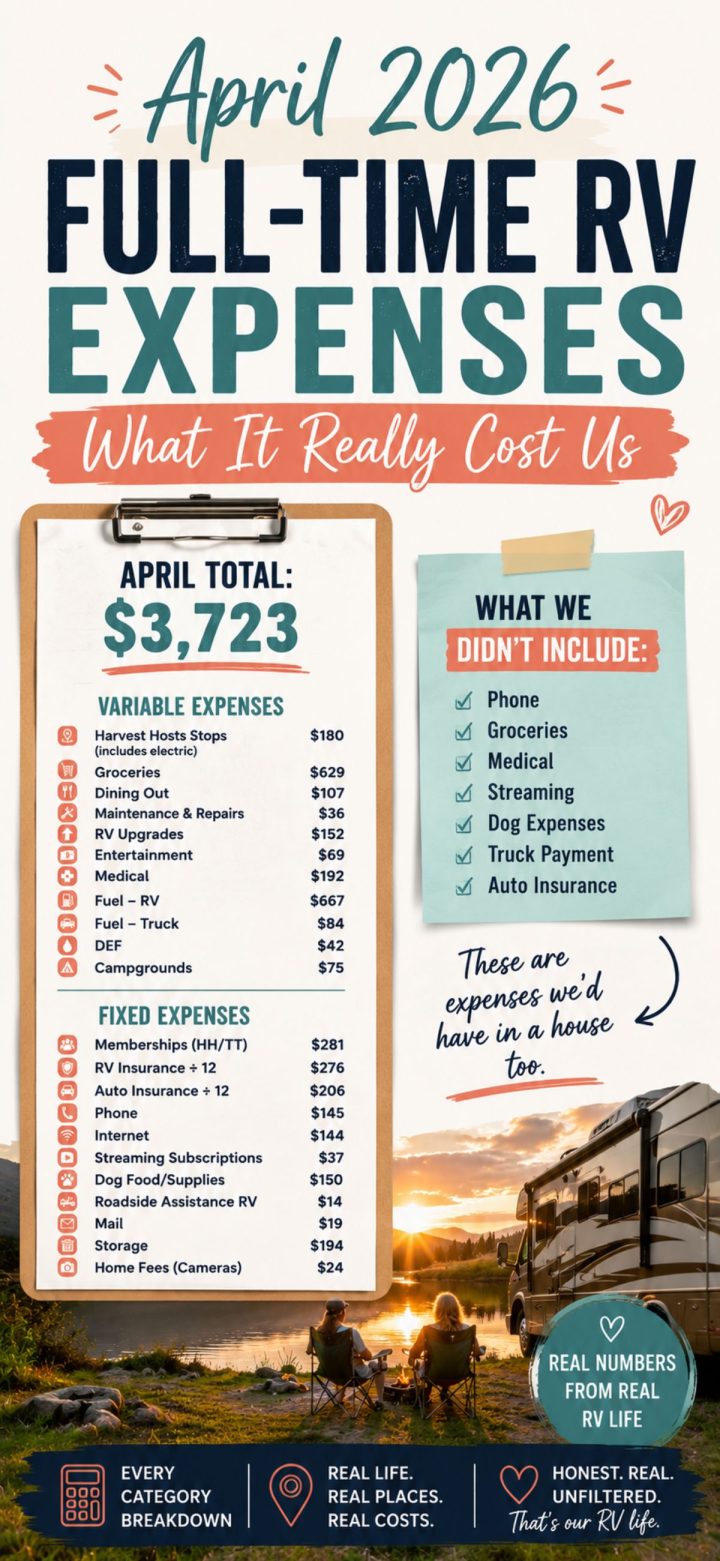
Here’s every dollar in the categories that are specific to this lifestyle.
| Expense | Amount | Note |
| VARIABLE MONTHLY EXPENSES | ||
| Harvest Hosts Stops | $180 | Includes electric; tracked separately |
| Dining Out | $107 | Part of the experience |
| Maintenance & Repairs | $36 | |
| RV Upgrades | $152 | |
| Entertainment | $69 | |
| Fuel – RV (Seneca) | $667 | |
| DEF | $42 | |
| Fuel – Truck | $84 | We went places |
| Campgrounds | $75 | One unplanned night |
| FIXED MONTHLY EXPENSES | ||
| Memberships (HH + Thousand Trails) | $281 | First full month with TT |
| RV Insurance (÷12) | $276 | |
| RV Payment | $0 | Seneca is paid off |
| Internet | $144 | |
| Roadside Assistance – RV | $14 | |
| Mail Service | $19 | |
| Storage | $194 | |
| Home Security / Cameras | $24 | |
| APRIL RV TOTAL | $2,364 | |
| Not included in this total (expenses that exist in both lifestyles): Groceries $629, you eat in a house too Phone $145 Auto insurance ÷12 $206 Medical $192 Streaming subscriptions $37 Dog food & supplies (Harley) $150 Truck payment $0, paid off |
So Is Full-Time RV Living Cheaper Than a House?
For us, yes, sometimes. But the more honest answer is that the comparison depends on what you were paying before and how you structure the numbers.
Our house overhead was $2,717 a month. Our RV-specific expenses in April were $2,364. The house cost more in pure overhead than this life costs us now, and that’s not counting the mortgage payoff money we freed up when we sold, or the time we got back when we stopped working ourselves into the ground.
Add back the shared expenses on both sides, groceries, phones, insurance, medical, and the gap narrows. But you’re still left with a question: what are you getting for the difference?
In a house, we got 3,500 square feet we didn’t need, a yard we had to maintain, and a life where we saw our grandkids once a year.
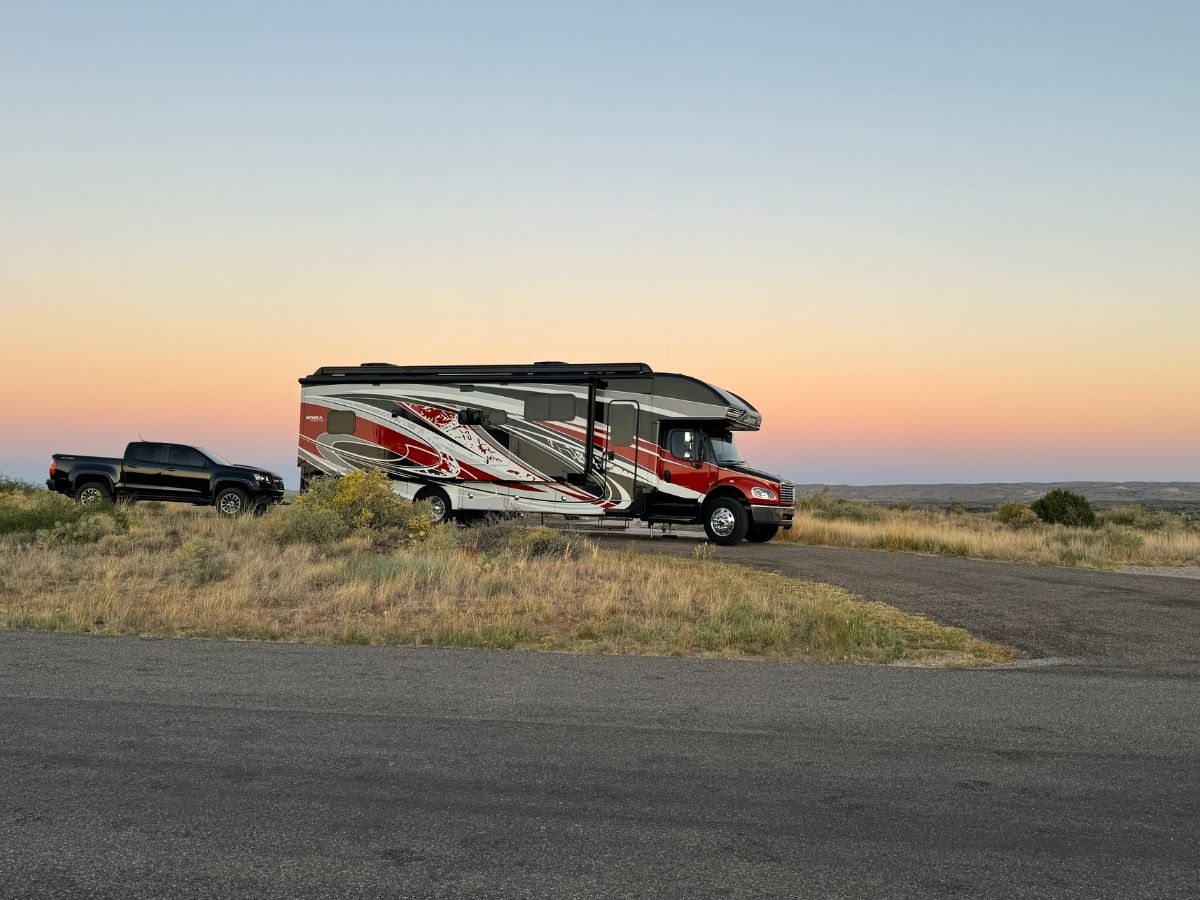
In the Seneca, we get movement, freedom, sunsets we didn’t plan for, and more time with the people we love than we ever had when we were both working full-time. That math isn’t even close.
What’s Coming Next
February and March were our most expensive months of 2026 so far, and I want to do a full breakdown comparing our priciest months to our cheapest. That post is coming.
I’m also working on:
- A Harvest Hosts vs. campground comparison, same $60, completely different experience
- Our real Thousand Trails review, first winter without Clerbrook, winging it in Florida
- Why We Finally Left Clerbrook After 9 Years, the full story
- How We Went Full-Time in Six Weeks, from a 3,500 sq ft house to the road
If this was helpful, save it and share it with someone who’s running the numbers on their own RV dream. Questions about any line item? Drop them in the comments, nothing’s off limits.
Frequently Asked Questions About Full-Time RV Living Expenses
Full-time RV living costs vary widely, but our RV-specific expenses in April 2026 totaled $2,364 for two people and a dog in a paid-off Jayco Seneca Super C.
That covers fuel, campgrounds, RV insurance, memberships, internet, storage, and all the costs specific to this lifestyle, but excludes shared expenses like groceries, phone, and medical that you’d pay in a house too.
It can be, and for us it is, but the honest comparison requires using the same categories on both sides. Our old house cost $2,717/month in pure overhead: mortgage including taxes ($2,000), HOA ($50), pool ($50), lawn care ($25), utilities ($300), homeowner’s insurance ($42), and estimated maintenance ($250). Our RV-specific expenses in April were $2,364, and that includes expenses like storage and memberships that don’t exist in house life at all.
Going full-time in an RV eliminates your mortgage or rent, property taxes, homeowner’s insurance, utility bills (electric, gas, water), lawn care, HOA fees, and home maintenance costs. For us, those items alone totaled $2,717 a month on our $300,000 home. What you add instead: campground fees or membership costs, RV insurance, roadside assistance, a mail service for your legal domicile, and fuel costs that scale with how much you travel.
It depends on how you travel, but for us, yes, now that we’ve let go of our 9-year home base at Clerbrook Golf & RV Resort in Florida. We tried TT years ago and it didn’t fit. What changed: fuel prices rose, we started paying closer attention to monthly costs, and Tim’s cousin’s camping pass showed us the math actually works when you use it consistently. In April alone, our TT nights saved us approximately $[XX] compared to regular campground rates. It won’t work for everyone, but if you’re campground shuffling and watching your budget, run the numbers.
For us, without question. Harvest Hosts lets you overnight at farms, wineries, breweries, and unique properties with a suggested $30 minimum purchase at each stop. We track HH spending separately from campground costs because the experience is genuinely different, waking up next to cows in a field or buying wine from the family who grew the grapes isn’t just a parking spot, it’s part of the life we chose. The membership pays for itself quickly if you use it regularly.
The costs that catch new full-timers off guard most often: a mail service for your legal domicile address, storage if you can’t bring everything, RV-specific roadside assistance, internet service for life on the road, DEF fluid if you have a diesel rig, and the reality that fuel costs scale directly with how much you move. Maintenance and repairs are also unpredictable, our April number was a light $36, but that can spike fast and without warning. Budget a buffer.
Save This Post for Later – Pin it to Your RV Expenses board on Pinterest!